
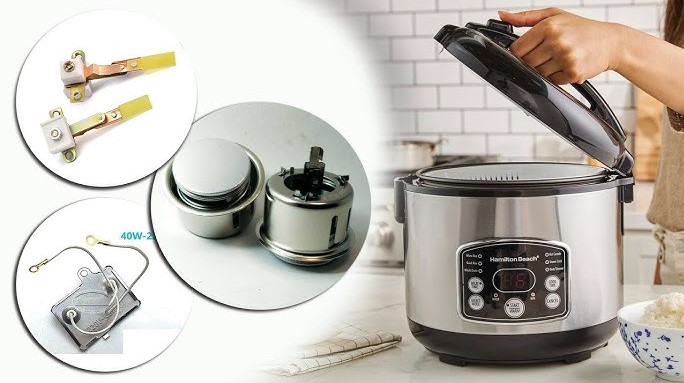
If your rice cooker is not working, start by checking the power supply, the inner pot position, and the thermal fuse. Most common issues are simple connectivity errors or mineral buildup that can be fixed at home without needing a professional repair.
There is nothing quite as frustrating as coming home hungry, ready to enjoy a warm bowl of rice, only to find that your rice cooker is not working. Whether you are a professional chef or a busy parent, this kitchen staple is likely one of the most used items on your counter.
In 2026, smart technology has made these devices more efficient, but the basic mechanical principles remain the same. If your appliance seems to have lost its spark, do not rush to the bin just yet.
Often, when people think their rice cooker is not working, the problem is actually something very small. A crumb of burnt rice, a slightly loose plug, or a tripped circuit breaker can cause the entire system to stop functioning. In this guide, we will walk through the steps to diagnose and solve these common issues so you can get back to cooking your favorite meals in no time.
Key Takeaways
- Power Check: Always verify that the cord is firmly plugged in and the outlet is functional before assuming the appliance is broken.
- The Sensor Trick: Rice cookers often fail because the weight sensor under the inner pot is dirty or obstructed by food debris.
- Thermal Fuse Protection: Many cookers have a built-in safety fuse that trips if the unit overheats, which often requires a simple reset or replacement.
- Lid Seals Matter: A loose or damaged silicone seal on the lid can prevent the rice cooker from reaching the correct pressure or heat to trigger the cooking cycle.
- Cleanliness is Essential: Regular cleaning of the heating element ensures the appliance detects the pot properly, preventing “not working” errors.
1. The Basics: Power and Connectivity Issues
Before diving into the inner workings of the device, we must start with the most obvious culprit: power. It sounds silly, but you would be surprised how often a loose connection is the real reason a rice cooker is not working. Start by checking the cord itself. Ensure that both ends of the power cable are pushed firmly into their respective ports.
Testing the Outlet
Sometimes the issue isn’t the machine at all; it’s the wall outlet. Try plugging a small lamp or a phone charger into the same outlet to see if it receives power. If the outlet is dead, you might have tripped a GFCI breaker in your kitchen. Check your home’s electrical panel and flip any switches that have moved to the “off” position.
Checking for Cord Damage
Inspect the power cord for any visible fraying, melting, or cuts. Kitchen environments are tough on cables. If you notice any exposed wires, stop using the appliance immediately for safety reasons. A damaged cord is a fire hazard and should never be used, even if the light on the cooker flickers on occasionally.
2. Inspecting the Inner Pot and Sensor
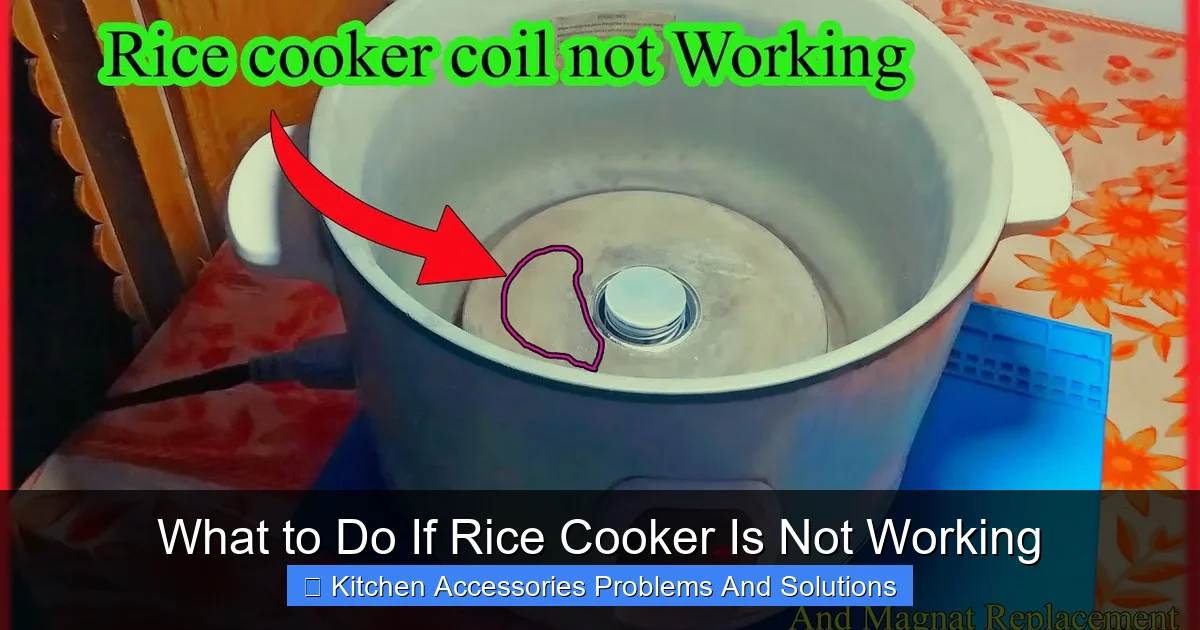
Modern rice cookers rely on a weight sensor or a pressure sensor located at the very bottom of the heating chamber. If the rice cooker is not working, it is often because this sensor is not getting a clear reading from the inner pot. This is usually caused by food debris, dried rice, or mineral buildup from hard water.
Visual guide about What to Do If Rice Cooker Is Not Working
Image source: i.ytimg.com
The Importance of a Clean Base
Look deep inside the center of the heating chamber. Do you see any burnt spots or hardened rice grains stuck to the heating plate? If the inner pot cannot sit perfectly flush against the heating element, the sensor will think the pot is missing or incorrectly placed. Use a soft, damp cloth to wipe the heating plate clean. Once it is dry, try placing the pot back in and listen for a slight “click” or tactile response.
Identifying Mineral Buildup
If you live in an area with hard water, minerals can accumulate on the heating element over time. This layer acts as an insulator, preventing the heat from transferring to the pot efficiently. If your rice cooker is not working because it takes forever to finish, or if it shuts off prematurely, a gentle vinegar soak can help dissolve these mineral deposits.
3. Managing Thermal Fuse and Overheating Problems
Safety is a priority for manufacturers. Most electrical cookers come equipped with a thermal fuse. If the unit gets too hot, this fuse blows to prevent the plastic casing from melting or catching fire. If you find your rice cooker is not working and it feels completely dead, the fuse may be the issue.
When the Fuse Fails
If you have checked the cord, the outlet, and the sensor, and the machine still won’t turn on, you might be dealing with a blown fuse. This is common if the rice cooker was accidentally turned on while empty. In many models, this part is replaceable, but it does require opening the base of the machine. If you are not comfortable with basic electronics, consider taking it to a local repair shop.
Cooling Down the System
Sometimes, the unit is simply overheated. If you have been cooking batch after batch, the internal components might reach a safety threshold. Unplug the device and let it sit for at least an hour. This allows the internal circuitry to cool down and potentially reset itself, which can resolve temporary glitches in the control board.
4. Lid and Seal Integrity
Did you know that the lid is just as important as the base? Many people assume the lid is just a cover, but it plays a vital role in maintaining the internal pressure and heat levels. If your rice cooker is not working properly—for example, if the rice is always mushy or undercooked—you likely have a problem with the lid seal.
Checking the Gasket
Examine the silicone gasket that runs around the rim of the lid. If it is cracked, loose, or covered in old food residue, steam will escape. This loss of steam prevents the machine from reaching the internal temperature required to switch from “cook” to “warm” mode. You can often remove the gasket, wash it with warm soapy water, and reseat it for a better fit.
The Steam Vent Obstruction
Look at the steam vent on top of the lid. If it is clogged with starchy foam from past cooking sessions, the pressure will not regulate correctly. Use a toothpick or a small brush to clear any debris. A clean vent ensures that the appliance can breathe properly during the cooking cycle.
5. Electronic Display and Control Panel Errors
In 2026, many high-end rice cookers feature digital displays. If your rice cooker is not working and the screen is showing an error code, do not guess what it means. Check the user manual first. Error codes like “E1” or “F2” usually correspond to specific sensor failures.
Resetting the Digital Logic
Computers can glitch, and so can the microchips in your kitchen gadgets. If the display is frozen or showing weird characters, unplug the unit from the power source and wait for about five minutes. This allows the capacitors in the control board to discharge. When you plug it back in, the system will perform a fresh reboot, which often fixes minor software hiccups.
Protecting the Electronics
Keep your rice cooker away from areas with high steam or humidity if possible. While they are designed to handle moisture, direct contact with water from nearby stovetop cooking can eventually leak into the control panel. If your buttons are unresponsive, check if they are sticky from food spills and clean them carefully with a slightly damp microfiber cloth.
Conclusion
Seeing that your rice cooker is not working can be a stressful experience, especially when you are looking forward to a great meal. However, by systematically checking the power, cleaning the heating element, ensuring the pot is seated correctly, and verifying the integrity of the lid, you can resolve the vast majority of problems on your own.
Kitchen accessories are built to be durable, but they do require a little bit of maintenance to stay in tip-top shape. If you have tried all these steps and the machine still refuses to turn on, it may be time to consult the manufacturer’s warranty or look for a professional repair technician.
Remember, safety first never try to force open a unit if you are unsure about the internal wiring. With these tips in mind, you are well on your way to keeping your kitchen running smoothly well into 2026 and beyond.
Frequently Asked Questions
Why is my rice cooker not switching to the warm setting?
This usually happens because the inner pot is not making proper contact with the heat sensor or the temperature sensor is dirty. Ensure the heating plate is clean and the pot is positioned perfectly to allow the sensor to detect the change in temperature.
Can I fix a rice cooker if the power light doesn’t turn on?
First, verify that the outlet is working and the power cord is securely plugged into both the wall and the device. If everything is connected and it still won’t turn on, you may have a blown thermal fuse that requires professional repair.
How often should I clean the lid seal?
You should wipe down the lid seal after every use and perform a deep clean once a month to prevent food residue buildup. A clean seal is vital for maintaining the pressure required for consistent cooking results.
Is it dangerous to use a rice cooker with a frayed cord?
Yes, absolutely. A frayed or damaged cord poses a significant fire and electrical shock hazard and should never be used, regardless of whether the device still seems to function.
What does it mean if my rice cooker shows an error code?
An error code on your display indicates that the internal computer has detected a specific fault, such as a sensor failure or a short circuit. Check your specific manual for the error code definition to identify if it is a simple fix or a hardware issue.
Does hard water affect my rice cooker’s performance?
Yes, hard water causes mineral deposits to form on the heating plate, which acts as an insulator and prevents the unit from detecting the correct temperature. Regular cleaning with a vinegar solution can effectively remove these deposits.