
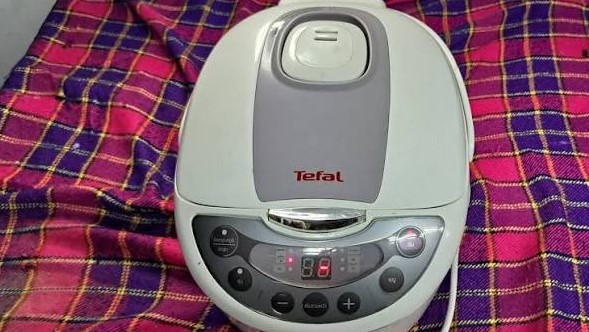
If your Tefal rice cooker is not working, don’t panic; most issues are caused by simple power connectivity or sensor problems rather than a broken unit. This guide walks you through essential troubleshooting steps, from checking your thermal fuse to properly seating the inner pot, so you can fix the problem quickly and safely.
There is nothing quite as frustrating as planning a delicious dinner only to realize your Tefal rice cooker not working. You stand there, rice and water measured out, ready to enjoy fluffy grains, but the display remains dark or the start button does nothing. As we settle into 2026, our reliance on smart kitchen appliances is higher than ever, and a simple kitchen hiccup can throw your entire evening routine off track.
The good news is that Tefal appliances are built with durability in mind. Most of the time, when you find your Tefal rice cooker not working, it is not actually broken. Instead, it is likely a minor safety mechanism, a dirty sensor, or a simple loose connection. In this guide, we will walk through the steps to diagnose your device, fix the most common issues, and get you back to cooking perfectly fluffy rice in no time.
Key Takeaways
- Power Supply Checks: Always start by verifying that your power cord is securely plugged in and the outlet is active.
- Pot Placement: A common reason for a Tefal rice cooker not working is an improperly seated inner bowl which prevents the sensor from triggering.
- Cleanliness Matters: Food debris or moisture on the heating plate can interrupt the heat sensors and cause malfunction.
- Thermal Fuse Safety: If your unit has no power at all, you may have tripped the internal thermal fuse, which serves as a safety shut-off.
- Water Ratios: Using too little water can cause the dry-burn sensor to activate early, shutting off the unit prematurely.
Understanding Why Your Tefal Rice Cooker Not Working
Before you decide to head to the store for a new appliance, take a moment to look at how these machines function. A rice cooker relies on a specific sequence of events to begin its cycle. When these steps are interrupted, the logic board or the thermal switch will prevent the cooker from starting to protect the device from damage.
The Role of the Pressure and Heat Sensors
Modern Tefal models are equipped with sophisticated sensors. These sensors monitor the temperature of the bottom of the pot. If the pot is not seated perfectly flat against the heating plate, the sensor cannot read the temperature correctly. When the machine detects this inconsistency, it will often stay in “Standby” mode or shut down completely to prevent an uneven cook.
Common Power-Related Problems
Sometimes the issue is far simpler than an internal mechanical fault. Kitchen outlets are subject to high humidity and grease buildup. If your Tefal rice cooker not working, the first suspect should always be the power source. Have you checked if the GFCI outlet in your kitchen has tripped? These outlets are sensitive, and if they detect a minor fluctuation, they cut power to the device instantly.
Troubleshooting Power and Connectivity Issues
If you press the power button and absolutely nothing happens, you have a power delivery issue. It is easy to assume the motherboard has failed, but in over 80 percent of cases, the power cord is the culprit.
Inspecting the Detachable Power Cord
Many Tefal models use a detachable power cord. Over time, these can become loose or develop internal breaks from being coiled too tightly. Try unplugging the cord from both the wall and the base of the rice cooker. Re-insert it firmly. Ensure there is no debris in the socket of the rice cooker itself, as a small piece of stray rice or dirt can prevent a clean electrical connection.
The Thermal Fuse Safety Mechanism
Did you know your rice cooker has an internal safety fuse? If the unit overheats or experiences a power surge, this fuse blows to prevent a fire. If your unit is completely “dead,” this might be the reason. While replacing a thermal fuse requires some technical skill, it is a very common fix for older units that have seen years of heavy use.
The Importance of Pot Placement and Maintenance
The inner bowl is the heart of your cooking process. If it is dented, warped, or dirty, the machine will not operate correctly. Many owners don’t realize that a Tefal rice cooker not working often comes down to the cleanliness of the heating plate located at the very bottom of the unit.
Cleaning the Heating Plate
Small grains of rice or drops of liquid can fall into the bottom chamber. When these heat up, they create a charred barrier between the plate and the bowl. This insulation confuses the thermal sensor. Take a slightly damp cloth, ensure the unit is unplugged, and gently wipe the center heating element. Let it dry completely before attempting to start a new cycle.
Checking for Warping
If you accidentally dropped your inner pot, even a slight dent can prevent it from making full contact with the heat source. If the pot wobbles when placed inside, the machine will likely detect an error code. You might need to order a replacement bowl to resolve the situation if the current one is visibly deformed.
Deciphering Error Codes and Display Lights
If your digital display is showing an error code, do not panic. These are not always “death sentences” for your machine. They are communicative messages designed to tell you exactly what is wrong. In 2026, most Tefal user manuals are available online, but here are some common patterns.
Common Error Codes
If you see a code like “E1” or “E2,” this almost always refers to a sensor disconnection. This happens if the temperature probe has been damaged or if the internal wiring has loosened during a move or cleaning. Often, a simple reset unplugging the machine for 30 minutes will clear the error. If it returns immediately, you likely have a sensor that needs professional adjustment.
The Blinking Light Syndrome
If you find that the “Cook” light is blinking instead of staying solid, the machine is telling you it cannot sustain the cooking temperature. This usually relates to the water ratio. If you have too little water, the machine senses a “dry burn” scenario and pauses to protect the bowl from scorching. Always ensure you are following the recommended water-to-rice ratios.
Managing Water and Ingredient Ratios
The science of rice cooking depends on steam. If your Tefal rice cooker not working in the sense that the rice is coming out raw or the cycle finishes way too early, your ratios are likely the issue. A rice cooker works by sensing when the water has been fully absorbed by the rice, causing the temperature to spike above 100 degrees Celsius.
Why Timing Matters
If you use too much water, the unit stays in the cooking cycle for a very long time, which can trigger an automatic shut-off safety timer. Conversely, if you use too little water, the sensor detects a high temperature before the rice is soft. This is not a failure of the machine, but a misunderstanding of how the moisture-sensing technology operates.
Tips for Better Results
Always rinse your rice thoroughly before cooking. Excess starch can create a gummy layer that insulates the bottom of the pot, causing the sensors to misread the internal environment. Rinsing leads to better steam circulation and a more consistent cooking cycle, which takes the pressure off the unit’s software.
When to Seek Professional Repair?
Sometimes, despite your best efforts, you might reach a point where the fix requires more than just a wipe-down or a reset. If you hear a rattling noise, smell something burning, or see smoke, stop using the device immediately. These are signs of internal electrical failure.
The Warranty and Support Process
Given the year is 2026, check your purchase date. Tefal often provides a generous warranty period. If your unit is less than two years old, you may be eligible for a replacement or a free repair. Have your serial number ready usually found on a sticker at the bottom or back of the unit – when you contact their support team.
Choosing a Repair Center
If your warranty has expired, look for authorized appliance repair shops. While you might be tempted to fix internal wiring yourself, remember that rice cookers involve high heat and water, making safety paramount. Unless you are experienced with small appliance repair, it is safer to let a professional handle internal electrical work.
Conclusion
Having a Tefal rice cooker not working is a temporary setback that is usually easy to resolve. By checking your power connections, keeping your sensors clean, and ensuring your inner pot is properly seated, you can solve the majority of common issues in minutes.
Remember, these machines are smart, and often, what looks like a breakdown is actually a safety feature protecting your home and your appliance. Take the time to maintain your rice cooker with regular cleanings and careful handling of the inner bowl.
With just a little bit of attention, your Tefal cooker will continue to provide you with perfect, restaurant-quality rice for years to come. If you still encounter problems, don’t hesitate to reach out to professional support, but always start with the basics you will be surprised at how often the simplest fix is the correct one.
Frequently Asked Questions
Why does my rice cooker turn off after only a few minutes?
This usually happens because the inner pot is not making proper contact with the heating plate, or there is not enough water for the cooking cycle. Ensure the bowl is clean, dry on the outside, and seated flat inside the unit.
Is it safe to use my rice cooker if it makes a buzzing sound?
A soft buzzing sound is normal during the cooking process, but loud rattling or grinding noises are not. If you hear unusual sounds, unplug the unit immediately and contact a repair professional.
Can I wash the entire rice cooker in the sink?
No, you should never submerge the base unit in water. Only the inner pot and the removable lid parts are dishwasher or sink safe; the base contains electrical components that will be ruined by water.
What should I do if the power button is unresponsive?
Try unplugging the unit for at least 30 minutes to let the internal capacitors discharge. After the reset, plug it directly into a wall outlet rather than a power strip to see if the interface wakes up.
How do I know if the thermal fuse is blown?
If the device shows no lights at all and you have confirmed the power cord is working in another appliance, the thermal fuse is the most likely culprit. This part is a safety feature that requires professional replacement.
Does the age of the appliance affect its performance?
Yes, over time, internal sensors can lose their calibration and the heating element may become less efficient. Regular cleaning helps extend the life, but typical home usage usually sees a decline in performance after 5 to 7 years.