
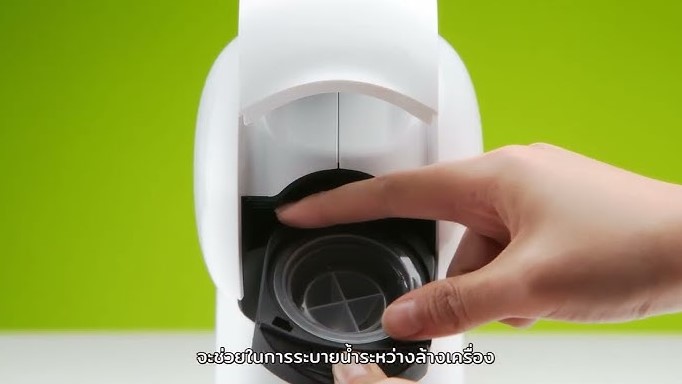
If your Dolce Gusto coffee maker is not working, don’t worry – most common issues stem from simple blockages or the need for a deep descale. Our guide helps you identify if your machine has a flow error, power issue, or a clogged needle so you can enjoy your morning brew without delay.
There is nothing quite like the sound of your Dolce Gusto machine warming up for that first morning espresso. However, it can be incredibly frustrating when you press the button and absolutely nothing happens. If you find your Dolce Gusto coffee maker not working, you are certainly not alone. Thousands of users face minor hiccups with these machines every year, and luckily, most of these issues are easy to fix right at your kitchen counter.
As we navigate through 2026, these machines remain a staple in modern kitchens, but even the best technology needs a little care. Whether your machine is failing to pump water, refusing to turn on, or leaking from the capsule holder, you can usually restore it to its former glory without a professional repair service. Let’s dive into the most common reasons why your favorite coffee companion might be taking an unscheduled day off.
Key Takeaways
- Regular Descaling: Mineral buildup is the #1 reason for a Dolce Gusto coffee maker not working properly; perform this every 3 months.
- Needle Maintenance: A clogged injection needle often prevents water from flowing through the capsule; use the provided cleaning pin to clear it.
- Proper Capsule Insertion: Ensure your capsule is perfectly aligned to avoid piercing errors and leakage during the brewing cycle.
- Power Cycles: Sometimes a simple power reset by unplugging the machine for 10 minutes can resolve electronic glitches.
- Water Tank Seating: A poorly seated water tank prevents the pump from drawing liquid, leading to a silent machine or flow errors.
The Most Common Culprit: Mineral Buildup
If your machine is running slower than usual or making a strained, groaning noise, the culprit is almost always lime scale. Even if you live in an area with relatively soft water, minerals build up in the internal heating elements and pipes over time. When your Dolce Gusto coffee maker is not working due to buildup, it is simply telling you it is time for a thorough cleaning.
Recognizing the Signs of Limescale
How do you know if scale is the issue? Look for a reduction in the volume of your drink. If you set your machine to a large cup and it only fills half way, the internal sensors are sensing a flow blockage. Another sign is the water temperature. If your coffee comes out lukewarm rather than piping hot, the scale is acting as an insulator, preventing the heating element from doing its job efficiently.
How to Descale Properly
To fix this, you need a high-quality descaling kit designed for pod machines. Fill your water tank with the descaling solution mixed with water, place a large container under the outlet, and run the cycle as if you were brewing a very long coffee.
Repeat this process until the tank is empty, then rinse the tank thoroughly and run two full tanks of fresh water through the machine to clear any chemical residue. This simple maintenance routine will likely resolve the issue immediately.
Addressing Flow and Pump Issues
Sometimes, the machine sounds like it is trying to work, but no coffee flows. This is a classic flow error. It can be quite alarming, especially if you are in a rush to head out the door. The good news is that this is rarely a broken pump and usually just a blockage in the delivery system.
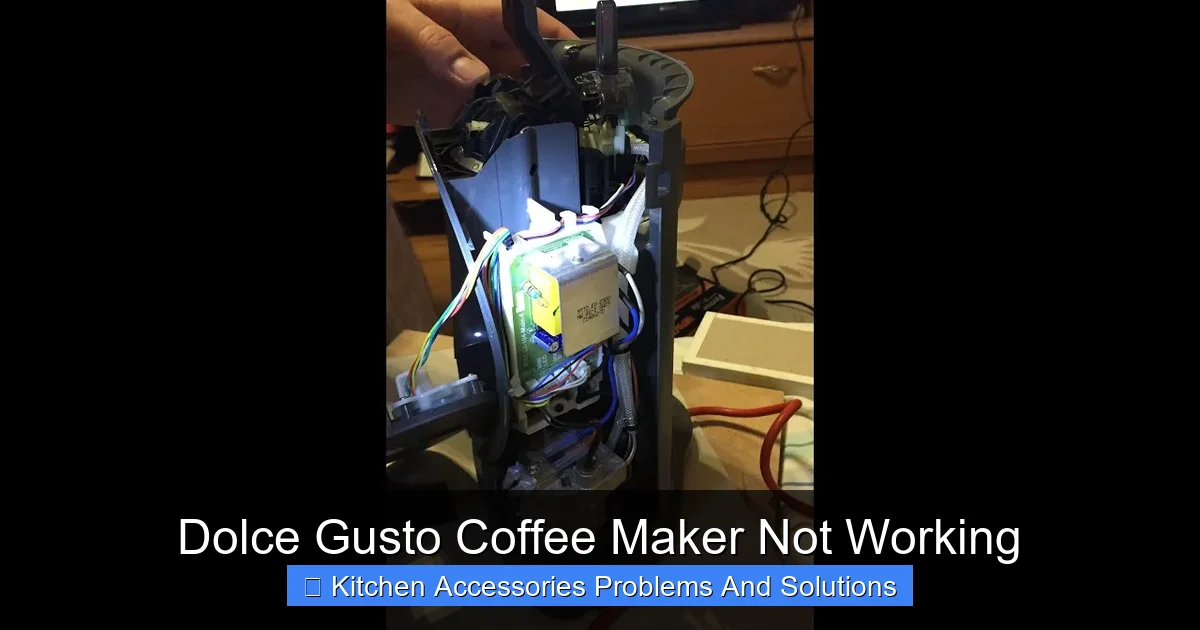
Visual guide about Dolce Gusto Coffee Maker Not Working
Image source: i.ytimg.com
Clearing the Injection Needle
Your Dolce Gusto uses a small needle to pierce the capsule and inject hot water at high pressure. If this needle gets clogged with old coffee grounds, the water has nowhere to go. You will usually find a small, thin cleaning tool attached to the machine or included in the box. Carefully insert this pin into the needle hole to clear out any compacted debris. Once cleared, run a quick water-only cycle to flush out the loosened particles.
Checking the Water Tank Connection
Another reason for a Dolce Gusto coffee maker not working is a faulty tank connection. If the tank is not seated perfectly on the valve, the pump will pull air instead of water. Pull the tank off, check for any debris in the seating area, and press it firmly back into place. You should hear a distinct click. If the rubber seal on the valve looks cracked or dirty, give it a quick wipe with a damp cloth to ensure a perfect airtight fit.
Troubleshooting Power and Electronics
If you press the power button and the machine remains completely dark, you might panic. Before assuming the internal motherboard is fried, check the external power sources. It sounds simple, but ensuring the plug is firmly seated in the outlet is the first step in any troubleshooting guide.
The Power Reset Method
Electronic control boards in modern coffee machines can sometimes get stuck in a loop. Try the “Hard Reset” method: unplug the machine from the wall outlet and leave it completely disconnected for at least 15 minutes.
This allows the internal capacitors to discharge fully. Plug it back into a different outlet if possible to rule out a faulty socket. If the power light flashes orange or green, it may also indicate that the machine needs a descale, which we touched upon earlier.
Dealing with Blinking Lights
Many Dolce Gusto machines have a built-in alert system. If you see a persistent blinking light, consult your specific model’s manual. Often, this is a signal that the machine has entered a “safety mode.” Simply completing a descaling cycle or clearing the needle will cause the light to return to a steady, operational color, signaling that the system is once again ready to brew.
Common Capsule and Holder Errors
Not every problem is internal. Sometimes, the Dolce Gusto coffee maker is not working simply because the pod is not interacting correctly with the machine. If the lever is difficult to lower, never force it. You might be misaligning the capsule or using a non-standard pod that doesn’t fit the tray properly.
The Capsule Holder Alignment
The capsule holder is designed to fit precisely into the head of the machine. If this tray becomes slightly misaligned or if there is residue from a previous leaked pod, the locking mechanism won’t engage. Remove the holder, wash it in warm, soapy water, and ensure it is bone-dry before reinserting it. A wet capsule holder can sometimes cause the machine to skip the brewing cycle for safety reasons.
Using Authentic vs. Third-Party Pods
While we all love a bargain, some generic pods have plastic rims that are slightly thicker than the standard pods. This extra thickness can cause the needle to struggle to pierce the pod, resulting in a machine that sounds like it is struggling.
If you recently switched to a new brand of coffee, try switching back to the official Dolce Gusto pods to see if the machine performs better. If it works fine with the original brand, you know the machine is healthy and the issue was just the pod quality.
Preventing Future Breakdowns
The best way to handle a Dolce Gusto coffee maker not working is to prevent the issue from happening in the first place. Consistency is key. By following a few simple habits, you can extend the life of your machine by years.
Weekly Maintenance Tips
Make it a habit to wipe down the exterior and the capsule holder at the end of every week. A damp cloth is usually all you need. Leaving coffee residue to sit in the needle area can lead to crusty blockages that are harder to remove later. Also, empty the water tank every night. Leaving stagnant water in the tank encourages bacteria and accelerates scale buildup. Fresh, clean water makes for a better-tasting cup and a cleaner internal system.
Storage and Long-Term Care
If you are going on vacation or won’t be using your machine for a week or more, it is best to empty the water tank and leave the capsule holder out to allow the internal needles to dry. This prevents moisture from lingering in the delicate parts of the machine, keeping it in perfect condition for when you return.
Conclusion
Seeing your Dolce Gusto coffee maker not working can be a stressful start to your day, but as we have explored, the solution is often within your reach. From descaling your machine to clearing the injection needle and checking your power connections, these simple steps can save you time and money.
Remember, these machines are built to last, but they require a little love and attention to keep that morning brew flowing perfectly. By keeping up with your cleaning routine and being mindful of how you insert your pods, you can avoid the vast majority of technical issues.
If you have tried all the steps above and your machine still isn’t cooperating, don’t lose hope. Most major manufacturers have excellent support teams in 2026 who can provide specific diagnostic help for your model. Keep your machine clean, treat it well, and it will continue to provide you with delicious coffee for years to come.
Frequently Asked Questions
Why is my Dolce Gusto light flashing orange?
A flashing orange light typically indicates that it is time to descale your machine. Follow the descaling procedure outlined in your user manual to reset the alert and improve performance.
Can I use vinegar to descale my machine?
While vinegar is a common household cleaner, it is generally recommended to use a manufacturer-approved descaling solution. Vinegar can be difficult to rinse out and may leave a lingering taste in your coffee.
What if my machine won’t turn on at all?
Check the power cord for damage and ensure it is plugged into a functional wall outlet. If it still won’t turn on, try a different socket to rule out an electrical issue in your kitchen.
Why is water leaking from the capsule holder?
Leakage often happens if the capsule is not inserted correctly or if the needle area is blocked. Ensure the pod is seated properly and check the needle for any debris that might be causing back-pressure.
How often should I clean the needle?
You should inspect the injection needle periodically, especially if you notice the flow of coffee slowing down. If your coffee comes out as a drip rather than a stream, use the cleaning pin immediately.
Is it safe to force the lever down if it gets stuck?
No, you should never force the lever down if you feel resistance. Doing so can break the needle or damage the internal locking mechanism; instead, remove the capsule and re-align it correctly.