
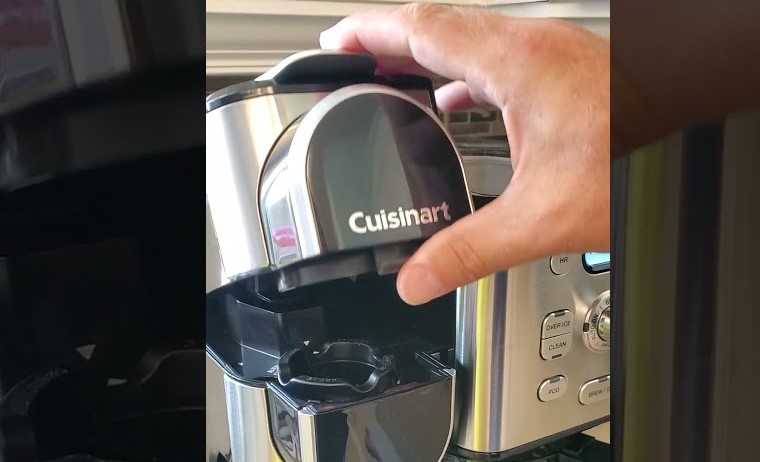
If your Cuisinart coffee maker K cup is not working, don’t worry – most issues are caused by simple blockages or minor sensor errors. By cleaning the needle and descaling your machine regularly, you can often restore perfect brewing performance in just a few minutes.
There is nothing quite like that first cup of coffee in the morning to get your day started. You walk into the kitchen, hit the button, and prepare for that familiar aroma. But then, silence. Or worse, a sputtering machine that refuses to brew.
If you find your Cuisinart coffee maker K cup not working, you are certainly not alone. It is a common frustration for many coffee lovers in 2026, but the good news is that these machines are usually quite resilient.
Whether you have a classic Cuisinart brewer or one of the newer multi-function units, the mechanics behind a K-cup system remain largely the same. When the machine fails to brew, it is usually asking for a little bit of maintenance rather than a replacement. We are going to walk through the most likely culprits and how you can fix them yourself right at home, saving you both time and money.
Key Takeaways
- Clear the Needles: Most brewing failures occur because coffee grounds clog the exit or entry needles.
- Descaling is Essential: Mineral buildup inside the internal tubing is a leading cause of low water flow or complete failure.
- Check the Reservoir: Ensure your water tank is seated properly; otherwise, the internal pump won’t engage.
- Use Genuine Pods: Off-brand or damaged K-cups can lead to alignment issues or leaks during the brewing cycle.
- Perform a Hard Reset: Unplugging the machine for ten minutes can often clear minor electronic glitches.
- Follow the Manual: Always check your specific model’s troubleshooting guide before attempting advanced repairs.
Understanding Why Your Cuisinart Coffee Maker K Cup Is Not Working
When your machine stops brewing, your first reaction might be panic. However, take a deep breath. Most issues arise from the simple accumulation of daily use. Coffee is an organic product, and over time, it leaves behind oils and sediments. When you see your Cuisinart coffee maker K cup not working, it is almost always related to either flow issues, sensor misfires, or physical blockages.
The Role of the Exit and Entry Needles
The heart of any K-cup compatible brewer is the needle assembly. The entry needle punches through the top of the K-cup to inject hot water, while the exit needle punctures the bottom to release the coffee into your mug.
If these needles become clogged with coffee grounds, the water pressure inside the machine builds up, causing the brewer to stop or leak. A simple cleaning using a paperclip can often dislodge the blockage and get things flowing again immediately.
Water Reservoir and Internal Pump Issues
Sometimes, the problem is not the needle at all, but the machine’s inability to draw water. Cuisinart machines rely on a vacuum seal to pump water through the heating element. If the water reservoir is not clicked firmly into place, the pump will run dry, creating a loud humming noise without any coffee exiting. Always double-check the seal between the reservoir and the base if your machine sounds like it is struggling.
Deep Cleaning and Descaling: The Most Common Fix
Mineral buildup, known as limescale, is the number one enemy of coffee makers. Depending on your local water quality, calcium and magnesium can accumulate inside your Cuisinart’s tubing. This restricts water flow, which often causes your Cuisinart coffee maker K cup not working scenario. Descaling is not just a suggestion; it is a vital part of machine ownership.
Visual guide about Cuisinart Coffee Maker K Cup Not Working
Image source: cdn.shopify.com
How to Descale Properly
You should aim to descale your machine every three to six months. Use a mixture of white vinegar and water, or a commercial descaling solution specifically designed for coffee brewers. Run this mixture through your machine as if you were brewing a large cup of coffee, then follow up with at least two full cycles of fresh, clean water to remove any lingering taste or acidity. This process clears out the scale and helps the pump run more efficiently.
Cleaning the External Surfaces
While the internal parts are essential, don’t neglect the pod holder itself. Coffee oils can become sticky and attract dust, which can eventually interfere with the lid closing mechanism. If the lid does not latch perfectly, the machine may not recognize that a pod is present, preventing the brewing process from starting. Wipe down the pod holder and the surrounding area with a warm, damp cloth regularly.
Troubleshooting Electronic and Sensor Glitches
Modern Cuisinart machines are equipped with sensors that detect when a pod is inserted and when the water is heated to the correct temperature. If these sensors are obscured, the machine may think the water tank is empty or the lid is open. If you have cleaned your machine and the Cuisinart coffee maker K cup not working issue persists, consider a hard reset.
Performing a Hard Reset
Electronic appliances can sometimes get stuck in a logic loop. Unplug your coffee maker from the wall outlet and leave it disconnected for at least ten to fifteen minutes. This allows the internal capacitors to discharge completely, effectively clearing the machine’s temporary memory. Plug it back in and try to brew a fresh cup. This simple trick fixes roughly thirty percent of all “broken” coffee maker complaints.
Check for Sensor Obstructions
Look around the area where the pod sits. Is there a small piece of a foil lid stuck to the sensor? Sometimes, if a K-cup punctures incorrectly, a tiny bit of foil can remain on the machine, blocking the sensor from detecting that a pod is properly seated. A quick inspection with a flashlight can help you spot any debris that shouldn’t be there.
Hardware Failures and When to Seek Professional Help
Occasionally, you might find that your Cuisinart coffee maker K cup not working status is due to a failing part, such as a burnt-out heating element or a faulty pump. If your machine is still under warranty, do not attempt to open the chassis, as this will void your coverage. Instead, contact the manufacturer directly to discuss your options.
Signs of a Dying Pump
If your machine is making a grinding, high-pitched noise that sounds different from the usual “brewing” hum, the pump might be failing. Unfortunately, pumps are mechanical parts with a limited lifespan. While some handy owners can replace them, it is often more cost-effective to upgrade to a new model if the machine is several years old.
Evaluating Thermal Fuse Issues
If the machine turns on but the water never gets hot, the thermal fuse may have tripped. This is a safety feature that prevents the unit from overheating. If this happens repeatedly, it suggests a larger electrical fault. Do not attempt to bypass these safety features, as they are essential for preventing fire hazards.
Best Practices to Prevent Future Issues
The best way to deal with a Cuisinart coffee maker K cup not working is to prevent the issue from happening in the first place. Consistency is your best friend when it comes to kitchen appliances. By incorporating a few simple habits, you can extend the life of your brewer by several years.
Use Filtered Water
Using filtered water is the single most effective way to reduce mineral buildup. Tap water often contains hard minerals that speed up the descaling process. By using a pitcher filter or a refrigerator water dispenser, you protect your machine’s internals and ensure your coffee tastes much cleaner and brighter.
Consistent Maintenance Schedule
Create a calendar reminder for your maintenance tasks. Every month, give the pod holder a quick scrub. Every three months, run a descaling cycle. Keeping up with these small chores ensures that your morning routine remains uninterrupted. Treating your machine well will result in a consistently delicious cup of coffee every single time you hit the brew button.
Conclusion
Dealing with a Cuisinart coffee maker K cup not working can be a morning annoyance, but it is rarely a permanent death sentence for your brewer. By methodically checking the needles, descaling the internal components, and ensuring your machine is properly reset, you can resolve the vast majority of these issues on your own.
Coffee is a ritual, and maintaining your machine is simply part of that process. With a little care and attention, your Cuisinart will continue to serve you well for years to come. Remember, if you get stuck, your owner’s manual is always the best resource for model-specific diagrams and error codes.
Frequently Asked Questions
Why does my coffee maker sound like it is brewing but nothing comes out?
This is usually caused by a clog in the exit needle or an airlock in the pump. Try using a paperclip to clear the needle and ensure the water reservoir is seated firmly to allow proper water flow.
How often should I descale my Cuisinart coffee maker?
You should descale your machine every three to six months, depending on the hardness of your water. If you live in an area with very hard water, you may need to do it more frequently to prevent mineral buildup.
Can I use any cleaning solution to descale the machine?
It is best to use a specialized descaling solution or a mixture of white vinegar and water. Never use harsh chemicals or bleach, as these can damage the internal tubing and leave harmful residues.
What does it mean if the lights on my coffee maker are flashing?
Flashing lights usually indicate an error state, such as a water level sensor malfunction or a heating error. Try unplugging the machine for ten minutes to reset the internal electronics before troubleshooting further.
Is it okay to use off-brand K-cups?
While most machines handle off-brand pods fine, some lower-quality pods can have thinner foil or different dimensions that cause leaking or needle issues. If you notice a consistent problem, try a name-brand pod to see if the behavior improves.
My coffee tastes bitter or burnt; is my machine broken?
Bitter coffee is often a sign of old coffee oils or scale buildup inside the machine. A deep cleaning and a thorough descaling cycle will typically restore the fresh, clean taste of your morning brew.