
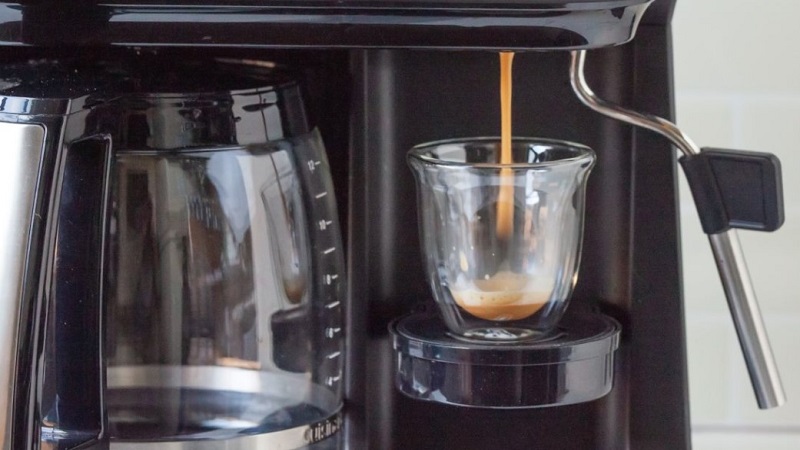
If your Cuisinart coffee maker pod side is not working, don’t panic! Most issues stem from mineral buildup, needle blockages, or incorrect pod alignment. Follow this guide to troubleshoot your machine and restore your perfect brew in minutes.
There is nothing quite as disappointing as waking up, stumbling to your kitchen, and realizing your Cuisinart coffee maker pod side not working. You expect that quick, easy cup of coffee to start your day, but instead, you are left staring at a machine that refuses to cooperate. In 2026, our appliances are smarter than ever, but they still rely on the same fundamental mechanics that require a little bit of love and maintenance.
Whether you have a classic dual-brew model or one of the newer smart-enabled units, the pod side (the single-serve side) can occasionally experience hiccups. Do not worry! Before you decide to pack it up and ship it back to the store, we are going to look at why your Cuisinart coffee maker pod side not working and how you can fix it right at home. Most of these solutions take less than ten minutes and require no fancy tools.
Key Takeaways
- Mineral Buildup: Hard water deposits are the #1 reason for brewing failures in 2026.
- Needle Maintenance: A clogged exit or entrance needle will prevent water flow entirely.
- Alignment Matters: Ensuring your pod is seated perfectly prevents puncture errors.
- Descaling Routine: Regular descaling every three months keeps your machine running like new.
- Water Reservoir: Always check that your reservoir is clicked securely into the base.
- Resetting the Unit: Sometimes a simple power cycle is all it takes to reset the sensors.
The Common Causes of Brewing Failure
When you press the button and nothing happens, or if only a few drops come out, it usually points to a physical obstruction. Think of your coffee maker like a tiny plumbing system. If there is a clog or a seal failure, the water simply cannot travel from the reservoir to your cup. When people search for why their Cuisinart coffee maker pod side not working, they often overlook the most basic culprits.
Checking the Needles
The star of the show in your single-serve brewer is the exit needle. This is the sharp piece that punctures the bottom of your pod. Over time, coffee grounds and mineral deposits can harden around this needle, creating a blockage.
If the water cannot push through the hole, the machine’s internal pressure sensor will stop the pump to prevent damage. Grab a paperclip or a thin safety pin. Gently clear the debris from the needle, rinse it, and try brewing again.
Water Flow and Reservoir Issues
Sometimes the machine thinks it is empty even when it is full. Check the reservoir seating. If the valve at the bottom of the tank is not engaging with the base, water won’t flow into the heater. Take the reservoir off, inspect the valve for debris, and place it back firmly. You should hear a distinct click. If you see bubbles rising from the valve while it is seated, the machine is successfully drawing water.
The Magic of Descaling in 2026
Hard water is the silent killer of kitchen appliances. If you live in an area with high mineral content, calcium scale is likely building up inside your machine’s heating element. When users tell me their Cuisinart coffee maker pod side not working, my first question is always: “When was the last time you descaled?”
Visual guide about Cuisinart Coffee Maker Pod Side Not Working
Image source: cdn.shopify.com
Why Descaling is Essential
Scale creates a thick layer inside the pipes. This slows down water flow and changes the temperature of your brew. If your machine is taking forever to “warm up” or simply stalling during the cycle, it is crying out for a cleaning.
In 2026, we have access to excellent descaling solutions that make this process easier than ever. You can use a mixture of white vinegar and water, or a commercial descaling solution specifically designed for coffee machines.
The Step-by-Step Descaling Process
First, fill the reservoir with a mixture of half water and half white vinegar. Run a brew cycle without a pod. This allows the acidic solution to break down the minerals inside the tubes. Let the machine sit for about 30 minutes.
Then, run a full reservoir of plain water through the machine to flush out any remaining vinegar taste. By doing this once a quarter, you will likely never deal with a Cuisinart coffee maker pod side not working again.
The Role of Pod Compatibility and Alignment
We love the convenience of pods, but not all pods are created equal. If you are using generic or third-party pods, they might have slightly different plastic thicknesses or filter mesh qualities. If the needle struggles to puncture the lid or the base of the pod, the machine may detect a malfunction and stop.
Proper Seating Techniques
Always ensure your pod is placed squarely in the holder. If the lid of the machine is forced down, it can crush the pod, spilling grounds into the brewing chamber. This is a common reason for the Cuisinart coffee maker pod side not working. If you see grounds in the chamber, wipe them out with a damp cloth. A clean chamber ensures a good seal, which is necessary for the pressure required to brew a perfect cup.
Avoiding Over-Packed Pods
If you use a reusable pod filter, try not to overfill it. If the lid of the reusable pod doesn’t snap shut completely, it will cause the brewer to jam. Keep the coffee level just below the brim to allow for proper water saturation. A little bit of breathing room inside the pod makes a world of difference in the final taste and the machine’s overall longevity.
Advanced Troubleshooting: Electrical and Sensors
If the needles are clean, the reservoir is seated, and the machine is descaled, but you still have a Cuisinart coffee maker pod side not working, we need to look at the digital side of things. Modern machines have internal sensors that monitor the brewing cycle. If a sensor fails, the machine might think it is doing something that it isn’t.
The Hard Reset Method
Electronics can sometimes freeze. Unplug your coffee maker from the wall outlet completely. Leave it unplugged for at least ten minutes. This allows the internal capacitors to discharge and resets the machine’s motherboard. When you plug it back in, the machine will go through a boot-up sequence. This often clears minor electronic glitches that cause the pump to stay idle when you press the brew button.
When to Call Customer Service
If you have tried everything, including the hard reset, and the pump still makes no sound at all, you might be dealing with a motor failure. If your machine is under warranty, reach out to the manufacturer. Cuisinart support in 2026 is quite helpful, and they can often guide you through specific diagnostic codes depending on your model. Always keep your purchase receipt handy just in case a replacement unit is needed.
Preventative Maintenance for Long-Term Success
The best way to fix a Cuisinart coffee maker pod side not working is to prevent it from ever happening in the first place. Consistency is the secret to a great morning routine. By integrating a few simple habits, you can keep your brewer in top condition for years.
Weekly Quick-Clean Habits
At the end of every week, take a moment to wipe down the exterior of your machine. Remove the pod holder and rinse it under warm water. Check the needle area for any stray grounds. It is much easier to wipe away a few grounds on Sunday than it is to dig out a hardened, calcified blockage a few months later.
Water Quality Matters
If you can, use filtered water for your coffee maker. This isn’t just for flavor; it significantly reduces the amount of calcium that enters the machine. When you use filtered water, you won’t need to descale nearly as often. This keeps the internal pumps and hoses free of grit, ensuring that your machine will continue to perform flawlessly every time you press that brew button.
Conclusion
It is genuinely frustrating when your morning routine is interrupted, especially when you think your Cuisinart coffee maker pod side not working. However, as we have explored, most of these issues are easily resolved with a little bit of investigation and standard maintenance. From clearing those stubborn needles to performing a deep descale, you now have the tools to handle almost any brewing issue that comes your way.
Take your time, be gentle with the internal components, and remember that your coffee maker is a hardworking piece of kitchen technology that deserves a little care. By staying proactive with your maintenance, you are guaranteeing that you will enjoy countless delicious cups of coffee for many mornings to come. Now, go ahead and try these steps—your perfect cup is just a few minutes away!
Frequently Asked Questions
Why is my Cuisinart only brewing a few drops of coffee?
This is usually caused by a clogged exit needle or a buildup of mineral scale inside the internal tubing. Try cleaning the needle with a paperclip and performing a deep descaling cycle with vinegar or a cleaning solution.
How do I know if I need to descale my machine?
If your machine is brewing slower than usual, making louder noises, or producing cooler coffee, it is time to descale. We recommend doing this every three months to ensure optimal performance.
Can I use any pods in my Cuisinart coffee maker?
Most Cuisinart machines are compatible with standard K-Cup style pods. However, ensure they are seated properly, as off-brand pods with thicker plastic can sometimes cause puncture errors.
What should I do if the water reservoir is full but the machine says it is empty?
Check the bottom of the reservoir to ensure the valve is clean and that it is sitting firmly on the base. Sometimes air bubbles get trapped in the valve, so lift and reseat the tank a few times to release them.
Is it safe to use white vinegar to descale my coffee maker?
Yes, white vinegar is a highly effective and natural way to dissolve mineral deposits. Just be sure to run at least two full reservoirs of clean, plain water through the system afterward to remove any lingering scent or taste.
What if my coffee maker won’t turn on at all?
First, check your kitchen outlet by plugging in another appliance to confirm it has power. If the outlet is fine, try the “hard reset” by leaving the machine unplugged for ten minutes before trying to power it on again.