
If your Zojirushi rice cooker is not working, don’t panic; most issues are caused by simple power connectivity problems, sensor debris, or minor settings errors. By following our step-by-step troubleshooting guide, you can often restore your appliance to perfect performance without needing a professional repair technician.
There is nothing quite as frustrating as walking into your kitchen, hungry for a perfect bowl of jasmine rice, only to find your Zojirushi rice cooker not working. As we move through 2026, these machines remain the gold standard for home cooking.
However, even the most reliable Japanese-engineered appliances run into occasional hiccups. Whether you are dealing with a blank screen, a cooker that won’t start, or rice that turns out crunchy, you are certainly not alone.
Most of the time, when a Zojirushi rice cooker is not working, it is not a sign that the machine has reached the end of its life. Instead, it is usually a simple case of a disconnected cable, a bit of stuck rice, or an incorrect setting. In this guide, we will walk through the most common problems owners face and how to fix them quickly so you can get back to enjoying your meals.
Key Takeaways
- Power check: Always verify that the magnetic power cord is fully seated and that your outlet has power before assuming the device is broken.
- Clean your sensors: Food debris or rice grains trapped near the inner thermal sensor are a leading cause of uneven cooking or error codes.
- Handle error codes: Most Zojirushi error codes (like H01 or E01) indicate a thermal regulation issue that can often be cleared by a hard reset.
- Inner pot care: Ensure the bottom of the inner pan is dry and clean before placing it into the cooker to prevent short-circuiting or heating errors.
- Preventative maintenance: Cleaning the inner lid, steam vent, and gasket after every use prevents moisture buildup that causes electronic malfunctions.
Understanding Your Power and Connectivity
The most frequent reason for a Zojirushi rice cooker not working is a power failure. Because these cookers use magnetic detachable power cords for safety, they can be easily nudged out of place. If the cord is not perfectly seated, the machine will not receive electricity.
Checking the Magnetic Cord
Start by checking the back of your unit. These magnetic plugs are designed to snap off if tripped over to prevent the cooker from falling. It is very common for the cord to lose contact with the pins on the back of the cooker. Pull the plug out, inspect the metal pins for any residue or lint, and push it back in firmly. You should feel a distinct click or magnetic pull.
Testing the Power Outlet
If the cord is secure and your screen is still blank, the issue might be your power supply. Do not assume your wall outlet is working just because it always has. Plug a lamp or another small appliance into the same socket to verify it has power. If the outlet is dead, check your home circuit breaker or GFCI reset button. A tripped breaker is a common 2026 household occurrence with modern energy-heavy kitchens.
Troubleshooting Common Error Codes
Zojirushi cookers are smart devices. When they detect a problem, they display an error code on the LCD screen to protect the internal electronics. If you see something like “E01” or “H01,” your Zojirushi rice cooker is not working as intended, but it is trying to tell you exactly why.
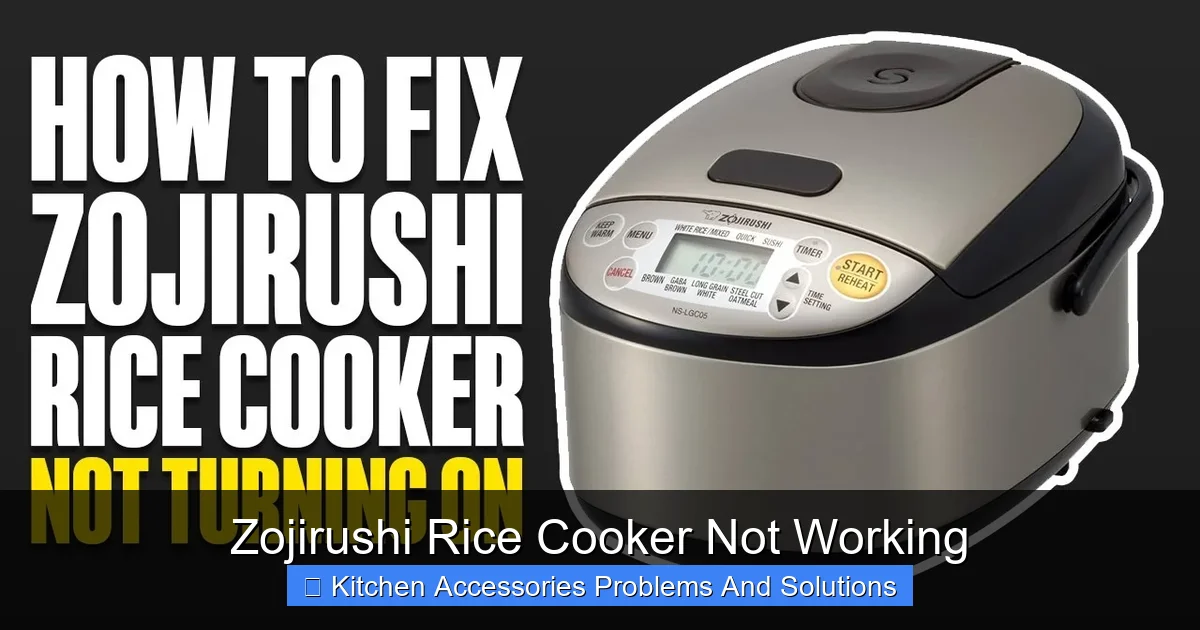
Visual guide about Zojirushi Rice Cooker Not Working
Image source: i.ytimg.com
The Meaning of H and E Codes
Typically, “H” codes refer to the heater or thermal sensors. If the cooker gets too hot or cannot reach the right temperature, it will stop for safety. “E” codes often refer to sensors that have been blocked by moisture or debris. The easiest first step for any of these codes is to unplug the unit, wait for five full minutes, and then plug it back in. This “hard reset” clears the internal memory of the digital display.
Sensor Obstructions
Underneath the inner pan, there is a circular metal sensor that touches the bottom of the pot. If a stray grain of rice or a bit of dried starch falls into this area, the cooker cannot accurately measure the temperature of the pot. Lift the pan out and look inside the main housing. If you see debris, wipe it away with a dry cloth. This small step solves the Zojirushi rice cooker not working issue in about 50 percent of cases.
Dealing with Cooking Performance Issues
Sometimes, your cooker turns on, but the final result is less than perfect. If your Zojirushi rice cooker is not working by failing to produce fluffy grains, the problem is usually environmental or related to maintenance. Cooking technology has advanced, but the basics of heat distribution remain consistent.
The Importance of a Clean Lid
The inner lid and the steam vent are the lungs of your rice cooker. If these become clogged with starch from boiling over, the pressure and heat will not distribute properly. Remove the inner lid and wash it thoroughly with warm, soapy water. Check the steam vent on top and ensure there are no blockages. A clogged vent is the primary culprit when rice comes out unevenly or the cooker stops mid-cycle.
The “Wet Pot” Syndrome
Always wipe the outside of your inner cooking pot before placing it back inside the unit. If the bottom of the pot is wet when you place it on the heating element, it can cause the internal sensors to misread the temperature. This often leads to the cooker shutting down prematurely. A dry pot ensures the machine operates exactly as designed.
Electronics and Display Glitches
If the display screen on your rice cooker is flickering, missing lines, or showing gibberish, you are likely looking at an electronic issue. While these are less common, they do happen as these machines age.
Managing Humidity Exposure
Rice cookers are constantly exposed to steam, which is the enemy of electronic circuit boards. If you have been keeping your cooker in a location with high humidity like directly under a cabinet where steam rises the internal components might have gathered moisture. Move your cooker to a well-ventilated area for 24 hours to let it dry out completely. Sometimes, this is all it takes to stop the screen from acting up.
Resetting the Internal Timer
If the clock is off or the “Delay Start” feature is not activating, check your settings. Many Zojirushi models require you to confirm the time of day before the timer will function. Read your specific model’s manual to ensure your internal clock is calibrated. If the clock loses time every time you unplug it, the internal lithium backup battery may be near the end of its life, which is standard for units over 5-7 years old.
Preventative Maintenance for 2026 and Beyond
You can prevent the Zojirushi rice cooker not working frustration by adopting a simple maintenance routine. Taking care of your machine saves time and money in the long run.
Routine Cleaning Tips
Make it a habit to wipe down the exterior and the sensor area after every few uses. Do not use metal utensils inside the pot, as scratching the non-stick coating can cause the pot to heat unevenly, which then forces the electronics to work harder than they should. Treat your Zojirushi like a high-end appliance, and it will reward you with years of perfect rice.
Choosing the Right Location
Avoid placing your rice cooker under low-hanging cabinets where steam can damage the digital controls. Ensure there is at least six inches of clearance above the unit. This simple change in placement can prevent the electronic display from failing prematurely due to constant exposure to hot, wet air.
When to Seek Professional Help?
Sometimes, despite your best efforts, the Zojirushi rice cooker not working issue persists. If you have tried a reset, checked the sensors, and verified the power source, it may be time to contact the manufacturer. Zojirushi has a very supportive customer service team, and their website offers resources for finding authorized service centers.
If your unit is still under warranty, do not attempt to open the casing yourself, as this will void your coverage. In conclusion, a Zojirushi rice cooker is a robust and intelligent piece of kitchen technology. Most issues that seem like major malfunctions are actually minor inconveniences caused by simple maintenance needs.
By keeping your cooker clean, checking your power connections, and ensuring your sensors are free of debris, you can resolve almost any problem you encounter. Enjoy your perfectly cooked rice for years to come!
Frequently Asked Questions
Why is my Zojirushi rice cooker not heating up even when turned on?
This is often caused by a dirty thermal sensor at the bottom of the unit or the inner pot not being seated correctly. Clean the area around the bottom sensor with a dry cloth and ensure the underside of your inner pot is completely dry before placing it in the cooker.
What does the E01 or H01 error code mean on my screen?
These codes usually indicate a sensor error, often caused by moisture or food debris interfering with the unit’s ability to monitor temperature. Unplug the unit for five minutes to perform a hard reset, and ensure the interior is clean and dry.
Can I replace the power cord if I lose it?
Yes, the magnetic power cords for Zojirushi rice cookers are standard, but you should try to purchase a replacement directly from the manufacturer. Using a third-party cord that does not have the exact magnetic strength can lead to intermittent power connections.
Why does my rice taste crunchy even after a full cycle?
This usually happens when the steam vent is blocked or the inner lid is not sealed properly. Clean the inner lid and the steam vent on top of the lid thoroughly to ensure that steam and pressure are contained properly during the cooking process.
Is it normal for the rice cooker to make a clicking sound?
A soft clicking sound is normal as the cooker engages the induction heating or toggles its internal relays during the cooking cycle. However, a loud or grinding noise is abnormal and suggests an issue with the cooling fan or internal hardware that may require professional service.
How often should I clean the internal gasket?
You should wipe the rubber gasket around the lid after every use to prevent starch buildup, which can cause the cooker to lose its seal. If you notice steam escaping from the sides of the lid during cooking, it is a sign that the gasket needs a deep cleaning or potential replacement.