
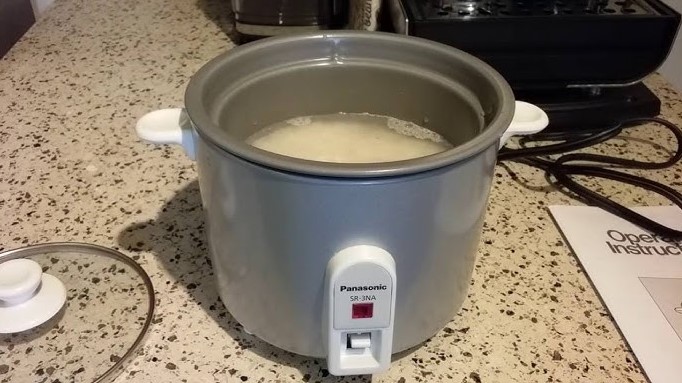
If your Panasonic rice cooker is not working, don’t panic; most issues stem from simple power connection errors or thermal sensor malfunctions. This guide helps you identify if your unit is overheating, suffering from a blown fuse, or just needs a deep clean to restore perfect rice cooking performance.
There is nothing quite as frustrating as preparing for a delicious dinner, only to find that your Panasonic rice cooker is not working. You have your rice washed, your water measured, and your appetite ready, but the machine simply refuses to light up or start the cycle. Panasonic is known for durability, but even the best appliances can hit a snag after years of loyal service.
In this guide, we will walk through the steps to get your kitchen assistant back in action. As we move through 2026, technology in our kitchens has become more sophisticated, but the fundamental mechanics of a rice cooker remain surprisingly simple.
Often, a Panasonic rice cooker not working is a result of a minor sensor issue, a dirty contact point, or a tripped safety feature. Before you consider tossing it or buying a new one, let us roll up our sleeves and explore some easy fixes that you can do right at home in your own kitchen.
Key Takeaways
- Power Basics: Always check your wall outlet and power cord first, as loose connections are the most common reason for a Panasonic rice cooker not working.
- Sensor Sensitivity: The thermal sensor at the bottom of the heating plate is critical; if it is dirty or obstructed, the unit may shut off prematurely.
- The Fuse Factor: Internal thermal fuses are safety features that may blow if the unit overheats, requiring a simple, inexpensive replacement.
- Cleaning Matters: Starchy buildup on the inner lid or heating plate can trigger sensor errors and affect rice texture.
- Reset Procedures: Many modern Panasonic models have a “reset” function or sequence that can clear software glitches without needing professional help.
1. The Basics of Troubleshooting Power
When you encounter a Panasonic rice cooker not working, the very first place to look is the power supply. It sounds simple, but you would be surprised how often a loose plug is the real culprit behind a dead appliance. Sometimes the cord is not fully inserted into the base of the cooker, or the outlet itself might have a tripped circuit breaker.
Checking Your Power Source
First, plug another small appliance, like a phone charger or a toaster, into the same outlet. If that device works, your outlet is fine. Next, check the power cord of your rice cooker. Is it frayed? Does it have any burn marks? If the cord is damaged, do not attempt to use it; replace it immediately. Ensure that the cord is pushed firmly into the socket on the back or side of the unit until it clicks into place.
The Magnetic Cord Connection
Many Panasonic models use a magnetic breakaway cord for safety. This feature is great for preventing accidents, but it can easily come loose if the unit is nudged. If your Panasonic rice cooker is not working, wiggle the magnetic connection to ensure it is snug against the pins on the machine. A weak connection can cause the power to flicker on and off, preventing the heating element from reaching the temperature required for the cooking cycle.
2. Dealing with Sensor and Lid Issues
The magic inside a rice cooker happens thanks to a series of sensors that monitor heat and pressure. If your Panasonic rice cooker is not working, it may be because these sensors are being “tricked” by debris or improper assembly. The main sensor is located in the center of the heating plate. If this sensor is covered in old rice starch or hardened bits of debris, it cannot read the temperature of the inner pot correctly.
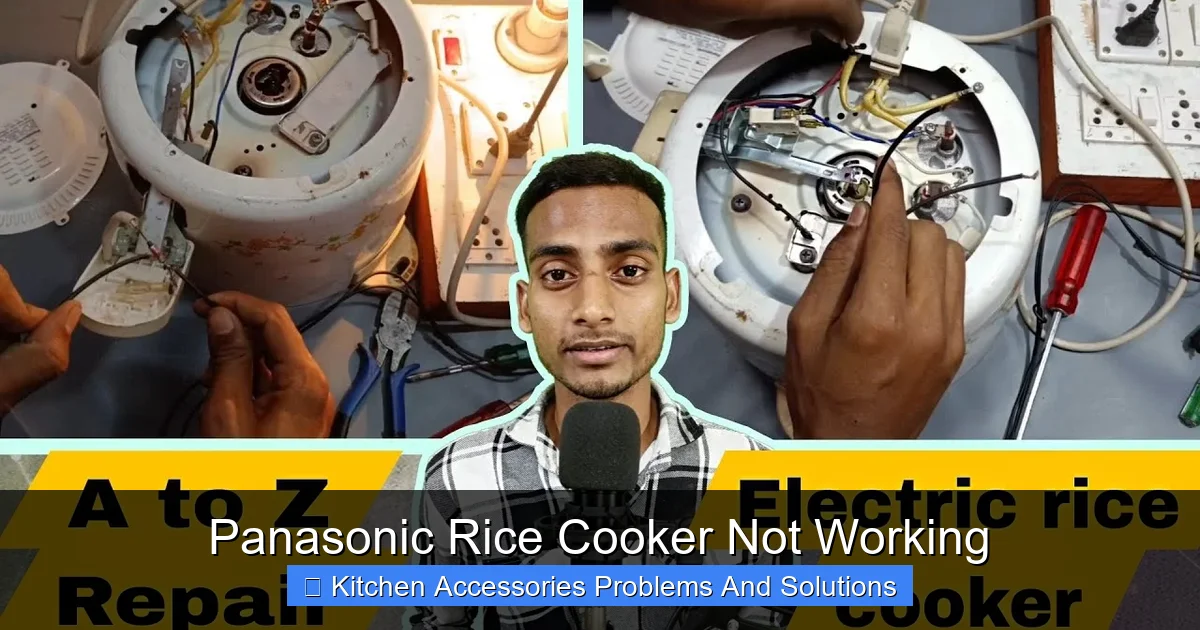
Visual guide about Panasonic Rice Cooker Not Working
Image source: i.ytimg.com
Cleaning the Heating Plate
Take a damp cloth not wet, just damp and gently wipe the heating plate at the bottom of the cooker. Make sure to remove any crusted food or water spots. If the sensor is obstructed, the machine might think the pot is already hot enough and turn off immediately. Keeping this area clean is a simple habit that prevents many future issues.
The Importance of the Inner Lid
The inner lid of your Panasonic rice cooker is part of the pressure and heat management system. If this lid is not sealed properly or if the silicone gasket is worn out, heat will escape. When the machine senses that the heat is leaking, it may stop the cycle to protect itself. Inspect the gasket for cracks or stiffness. If it feels brittle, replacing it can make your cooker perform like new again.
3. Internal Safety Features and Thermal Fuses
Sometimes, a Panasonic rice cooker not working is a result of a blown thermal fuse. These fuses are internal safety devices designed to stop the machine from overheating and potentially causing a fire. If your cooker experienced a power surge or was run while completely dry, the fuse might have done its job by cutting off power permanently.
Understanding Thermal Fuses
If you have checked the power cord and the sensors, and the unit is still showing no signs of life, a thermal fuse might be the reason. While replacing a fuse involves opening the casing, many owners find it to be a straightforward DIY task. Always remember to unplug the unit before opening any panels. If you do not feel comfortable handling internal wiring, a local appliance shop can perform this repair quite cheaply.
Preventing Future Overheating
To avoid blowing the fuse in the future, always make sure you are using the correct amount of water. Running the machine with too little water or with the lid not fully locked down can lead to abnormal heat buildup. When in doubt, follow the manual’s instructions for the specific grain you are preparing.
4. Troubleshooting Common Software Errors
In 2026, many Panasonic rice cookers feature digital displays. If you see an error code like “H01” or “U12,” the machine is trying to tell you exactly what is wrong. If your Panasonic rice cooker is not working and the display is flashing, consult your user manual for the specific code. These codes usually point to a failure in the heating element or a faulty thermistor.
The Hard Reset Method
If the electronics seem confused or the buttons are unresponsive, try a hard reset. Unplug the device from the wall and leave it unplugged for at least ten to fifteen minutes. This allows the internal capacitors to discharge completely. Once you plug it back in, the system should reboot, often clearing away minor software glitches that were causing the machine to freeze up.
Button Responsiveness
Sometimes, the outer membrane covering the buttons becomes damaged or worn, preventing your presses from registering. If you feel like your buttons are “mushy” or not clicking, try cleaning the surface with a bit of isopropyl alcohol on a soft cloth. This removes grease buildup that can cause buttons to stick or fail to signal the motherboard.
5. Maintenance Tips for Longevity
The best way to ensure your Panasonic rice cooker keeps working is through regular maintenance. You do not need to be a professional repair person to keep your machine in top shape. Simple, consistent care is the key to preventing the most common breakdowns.
Post-Cooking Cleaning
After every use, remove the inner pot and wash it with a soft sponge. Never use abrasive metal scouring pads, as they will scratch the non-stick coating. If the coating is damaged, food will stick to the bottom, which creates more work for the sensors and can lead to uneven cooking or premature shut-offs.
Storage and Environment
Store your rice cooker in a cool, dry place. Avoid keeping it right next to your stove or a window where it might be exposed to extreme heat or direct sunlight. If you have been living in a humid climate, moisture can sometimes settle on the internal electronic board. If you suspect humidity is a factor, letting the unit sit in a well-ventilated area for a day can help dry it out completely.
6. When to Call a Professional
Even with the best DIY efforts, there are times when you should call for help. If you smell burning plastic, see smoke, or if the unit continues to flip the circuit breaker in your home, please stop using it immediately. These are signs of a serious electrical fault that could be a fire hazard.
Warranty Considerations
If your cooker is still under warranty, do not attempt any internal repairs that require breaking a factory seal. Opening the casing may void your warranty. Contact Panasonic customer support with your model number and serial number. They can often direct you to an authorized service center that will fix your unit for free or for a minimal cost.
Is It Time for an Upgrade?
If the cost of repair is more than half the price of a new unit, it might be time to retire your old friend. Modern rice cookers in 2026 are more energy-efficient and offer faster cooking times. If you have had your current machine for over a decade, you might be surprised at how much better the latest models perform.
Fixing a Panasonic rice cooker not working is a rewarding project that can save you time and money. By following these steps, you will be back to enjoying perfectly fluffy rice in no time. Whether it is a simple cleaning task or a quick reset, your efforts will extend the life of your kitchen appliance for many meals to come.
Frequently Asked Questions
Why is my Panasonic rice cooker not turning on at all?
Check if the power cord is securely plugged into both the wall outlet and the rice cooker base. If it is a magnetic cord, ensure the connection is tight, as these can easily detach and cut off power.
What does a flashing light on my rice cooker mean?
A flashing light often indicates an error code or a sensor issue. Check your user manual for the specific blink pattern, as this usually signals that the machine has detected a problem with the temperature sensor or the lid seal.
Can I fix a blown thermal fuse myself?
Yes, you can replace a thermal fuse if you are comfortable with basic appliance repair, though it requires opening the unit casing. If you are not confident, it is safer to take it to a qualified service technician.
How do I clean the sensor at the bottom of the cooker?
Use a clean, damp cloth to gently wipe the center heating plate to remove any starch or food debris. Never use sharp objects to scrape this area, as you could damage the delicate thermal sensor.
Why does my rice cooker stop cooking before the rice is done?
This is typically caused by a dirty sensor or an improper lid seal that prevents heat from being trapped inside. Clean the bottom sensor plate and ensure the gasket on the inner lid is clean and positioned correctly.
How often should I clean the inner lid?
You should clean the inner lid after every use to prevent starch buildup and ensure the pressure sensor works properly. A simple wash with warm soapy water and a soft cloth is usually sufficient.