
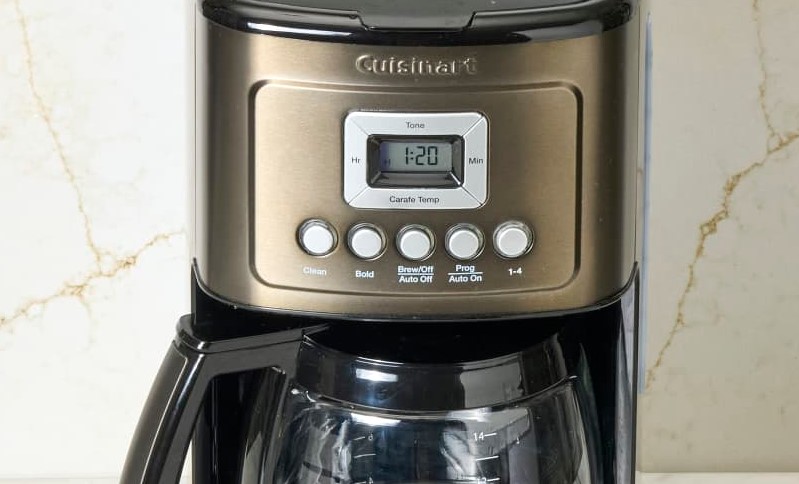
If your Cuisinart coffee maker self clean not working properly, it is often due to mineral buildup in the internal tubing or a sensor error. This guide will help you reset your machine, clean the lines manually, and ensure your brewer functions perfectly again.
There is nothing quite like the smell of fresh coffee in the morning to start your day. You walk into your kitchen, press that button, and expect a perfect brew. But then, you notice that dreaded light flashing or the self-clean button refusing to cooperate. Dealing with a Cuisinart coffee maker self clean not working can feel like a major headache. You just want your coffee, and now you have a malfunctioning machine staring back at you.
Do not panic. You are definitely not alone. Many coffee lovers encounter this issue after a few months of daily use. It is usually just the machine’s way of saying it needs a little extra love. The good news is that most of these problems are easy to fix right at home without needing a repair shop. In this guide, we will walk through the steps to get your brewer back in action so you can enjoy your morning cup in peace.
Key Takeaways
- Mineral Accumulation: Hard water buildup is the #1 reason the self-clean cycle fails to trigger or complete.
- The Reset Method: Most Cuisinart issues can be solved by unplugging the unit and allowing the internal computer to reset.
- Vinegar Ratio: Always use a 1:2 ratio of white vinegar to water to ensure the cleaning solution is strong enough to break down scale.
- Manual Flushing: If the automated cycle fails, manual flushing with a descaling solution is a highly effective backup.
- Sensor Sensitivity: Keeping the water reservoir area clean prevents the machine from falsely reporting that it is empty during the cycle.
Why Is the Self-Clean Cycle Failing?
When you find that your Cuisinart coffee maker self clean not working, the culprit is almost always scale. Water contains minerals like calcium and magnesium. Over time, these minerals build up inside the heater and the tiny tubes of your coffee maker. This layer of “scale” acts like an insulator. It blocks water flow and tricks the machine’s sensors into thinking the system is either empty or broken.
Understanding the Sensor System
Your Cuisinart uses clever sensors to monitor the water level and temperature. If the scale buildup is thick enough, it can physically block the path of the water or prevent the internal thermostat from reading the temperature correctly. When the computer does not get the “all clear” signal from these sensors, it simply stops the self-clean cycle to protect the machine from overheating. This is actually a safety feature, even though it feels like a failure.
Recognizing the Warning Signs
Before the cycle stops completely, you might notice other hints. Does your coffee take longer to brew? Is it not as hot as it used to be? These are classic signs that your machine is suffering from mineral buildup. If you ignore these signs for too long, the self-clean cycle will eventually stop working because the internal pathways become too restricted for the water to circulate effectively.
Step-by-Step Troubleshooting for the Self-Clean Cycle
If you are frustrated by a Cuisinart coffee maker self clean not working, start with the most basic troubleshooting steps. Sometimes, the internal software just needs a quick reboot to clear a false error code.
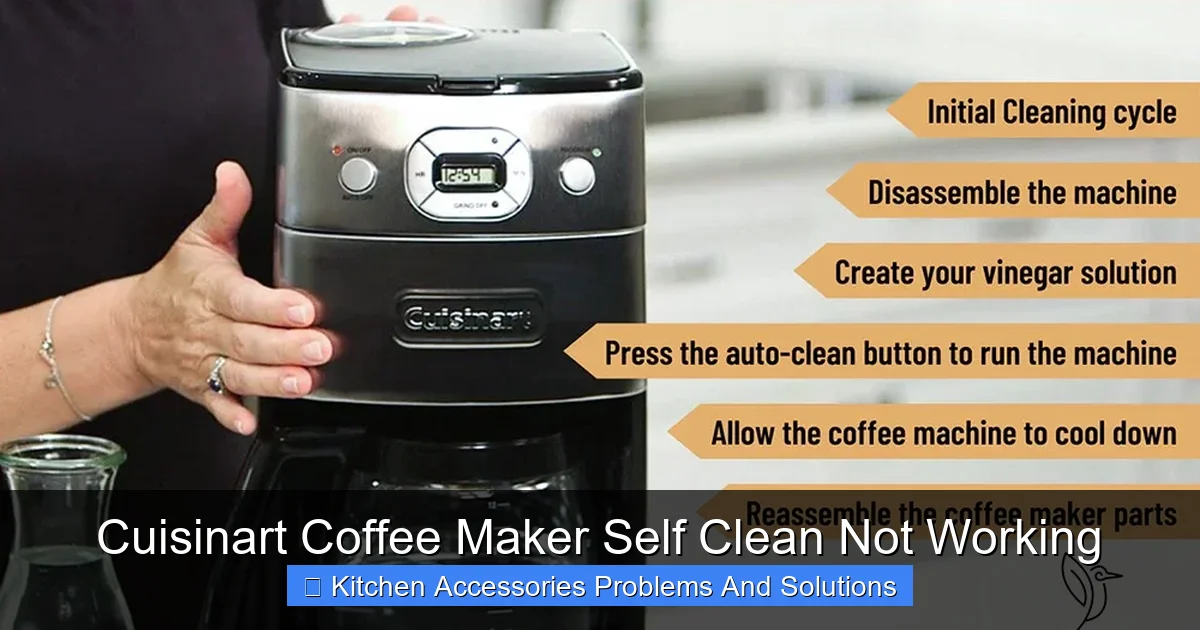
Visual guide about Cuisinart Coffee Maker Self Clean Not Working
Image source: cdn.shopify.com
The Hard Reset Strategy
Start by unplugging the machine from the wall outlet. Wait for at least 15 to 20 minutes. This allows the internal capacitors to discharge and the computer chip to fully reset. Plug it back in and try to initiate the clean cycle again. If the light blinks as it should, you might have just solved the problem with a simple power cycle.
Checking the Reservoir and Filter
Ensure the water reservoir is seated properly. If the reservoir is slightly tilted, the valve at the bottom will not open fully. This mimics a “no water” state. Also, remove your charcoal water filter. These filters can sometimes get clogged and prevent water from moving through the system at the required speed during the self-clean process.
Performing a Deep Manual Clean
When the automated process fails, you need to go manual. If the Cuisinart coffee maker self clean not working, it means the machine is too dirty for the standard cycle to handle. A manual deep clean uses the power of white vinegar to dissolve the toughest mineral deposits.
The Vinegar and Water Mixture
Mix a solution of one part white vinegar and two parts fresh, filtered water. Fill the reservoir to the maximum capacity line. Place a large pot or a heat-safe bowl under the brew basket. You want to capture the liquid as it comes out. Do not use a regular coffee mug, as it will overflow quickly!
Running the Manual Cycle
Press the brew button or the cleaning function if it will allow you to. If the button is totally unresponsive, you may need to cycle the power a few times to force the heating element to engage. As the hot vinegar solution passes through the internal tubes, it breaks down the scale. You will likely see sediment coming out into your container—that is exactly what you want to see. It is a sign that the cleaner is working.
Advanced Tips for Stubborn Scale
Sometimes, a single cycle is not enough. If your Cuisinart coffee maker self clean not working after one vinegar treatment, you might have years of buildup that need multiple rounds of cleaning.
Letting the Solution Soak
For truly stubborn scale, fill the reservoir with your vinegar solution and start the brew cycle. Halfway through, turn off the coffee maker. Let it sit for 30 to 60 minutes. This “soak” period allows the vinegar to soften the calcification inside the heater. After an hour, turn it back on and let it finish the cycle. This trick works wonders on machines that haven’t been cleaned in years.
Using Commercial Descaling Solutions
If you find the smell of vinegar too strong, you can buy commercial descaling solutions. These are often made from citric acid, which is highly effective at removing scale without the lingering “pickled” smell that vinegar sometimes leaves behind. Follow the instructions on the bottle, as these products are more concentrated than home vinegar solutions.
Preventing Future Cleaning Issues
The best way to fix a Cuisinart coffee maker self clean not working is to ensure it never happens again. Proper maintenance is the secret to a long-lasting coffee maker. If you treat your machine well, it will brew perfect coffee for years.
The Importance of Filtered Water
Always use filtered or bottled water if you live in an area with “hard” water. Hard water is packed with minerals that turn into scale. By using filtered water, you reduce the amount of mineral buildup by over 70 percent. This means you will need to perform the self-clean cycle much less frequently.
Regular Maintenance Schedule
Make it a habit to run a self-clean cycle every 60 to 90 days. Do not wait for the light to turn on. If you mark it on your calendar, you can stay ahead of the buildup before it becomes a problem. Keeping the exterior wiped down and the basket cleaned after every use also prevents gunk from finding its way into the sensitive internal parts.
When to Consider Professional Help?
Even with the best care, sometimes mechanical parts fail. If you have tried the hard reset, multiple vinegar soaks, and manual flushing, and you still have a Cuisinart coffee maker self clean not working, there might be a deeper mechanical failure.
Identifying Component Failure
If the machine is not heating up at all, or if you hear a grinding noise, the internal pump or the heating element might be damaged. At this point, it is usually better to contact the manufacturer’s customer support. Cuisinart machines often come with a warranty, and trying to open the casing yourself will void that protection.
Making the Decision to Replace
If your machine is more than five years old and the cost of repair is high, it might be time to say goodbye. Coffee technology improves every year, and newer models often feature better anti-scale technology and easier cleaning cycles.
However, try the steps above first you would be surprised how often a “broken” machine just needs a little bit of patience and some white vinegar. In conclusion, a Cuisinart coffee maker self clean not working is a frustrating hurdle, but it is rarely the end of the road for your machine.
By understanding how mineral buildup affects your brewer and committing to a routine of descaling and using high-quality water, you can reclaim that perfect morning cup of joe. Stay consistent with your maintenance, and your coffee maker will remain a reliable part of your daily routine for years to come.
Frequently Asked Questions
Why is my Cuisinart self-clean light still blinking after I run the cycle?
This usually happens because the machine hasn’t finished the full cleaning cycle or the sensors still detect mineral buildup. Try running an additional cycle with just plain water to flush out any remaining vinegar and ensure the sensors reset properly.
Can I use pure vinegar for the cleaning cycle?
No, you should never use pure, undiluted vinegar as it can damage the internal seals and plastic components of your machine. Always stick to a 1:2 ratio of white vinegar to water to be safe.
How often should I run the self-clean cycle to prevent issues?
We recommend running a self-clean cycle every three months or every 60-90 brewing cycles. If you live in an area with very hard water, you may want to increase this frequency to once a month.
Will descaling fix a machine that won’t turn on at all?
No, the self-clean process is only for internal buildup and blockages. If your machine won’t turn on at all, it likely has an electrical issue or a blown fuse that requires professional repair.
Is it safe to use a descaling powder instead of vinegar?
Yes, many commercial descaling powders are excellent alternatives to vinegar. Just ensure you follow the manufacturer’s dilution instructions carefully to avoid damaging the internal components.
Does the charcoal water filter affect the self-clean cycle?
Yes, if the charcoal filter is old or clogged, it can restrict water flow and cause the machine to report an error during the cleaning cycle. Always remove the charcoal filter before running a heavy-duty descaling process.