
If your coffee maker pump is not working, it is usually due to a trapped air bubble, mineral buildup, or a clogged intake tube. By following simple maintenance steps like descaling or priming, you can often restore your machine’s performance without needing a professional repair.
Key Takeaways
- The Air Lock Issue: Most pump failures are caused by air trapped in the lines, which can be fixed by priming the system.
- Descaling is Essential: Mineral deposits from hard water are the number one enemy of a healthy coffee machine pump.
- Check the Water Reservoir: Ensure the tank is seated correctly and the intake valve isn’t obstructed by debris.
- Listen for Sound: A loud, buzzing pump with no water flow usually indicates a blockage or a dry start.
- Safety First: Always unplug your appliance before opening the casing or performing internal maintenance.
Introduction
There is nothing quite as disappointing as waking up on a Tuesday morning, craving that first rich cup of espresso, only to be met with a silent or struggling machine. If you find your coffee maker pump not working, you are certainly not alone.
In 2026, as home brewing technology has become more advanced, these appliances have become more efficient, yet they remain prone to the classic mechanical hurdles of water flow and pressure.
Whether you own a high-end capsule machine or a standard drip brewer, the pump is the literal heart of your coffee maker. When that heart skips a beat, the whole process grinds to a halt. The good news is that most of these issues are minor and can be resolved at your kitchen counter. Let’s dive into how you can get your machine brewing again.
Understanding Why Your Coffee Maker Pump Is Not Working
Visual guide about Coffee Maker Pump Not Working
Image source: cuisinartkitchen.pro
When your coffee maker pump is not working, it usually boils down to a failure in pressure delivery. The pump’s job is to pull water from the reservoir and push it through the heating element and the coffee grounds. If the water cannot move, the pump will often make a loud, strained noise as it tries to force fluid through an invisible wall.
The Mystery of the Air Lock
An air lock is the most common reason for a sudden failure. If your machine runs completely dry, or if you have just moved or cleaned the unit, air can get trapped in the intake hose. Because the pump is designed to move liquid, it struggles to compress air. This results in the pump whirring without any actual water output.
Mineral Deposits and Scale
Even with filtered water, minerals will eventually build up inside the tubes. Think of it like cholesterol in an artery; as the scale builds up, the diameter of the hose shrinks. Eventually, the pump simply does not have enough power to push the water past the blockage. This is why regular descaling is the most important maintenance task for any coffee lover.
Step-by-Step Troubleshooting for Common Pump Issues
Before you call a repair technician, perform these simple checks. You would be surprised how often a “broken” machine is just a “misaligned” one.
Checking the Water Reservoir Connection
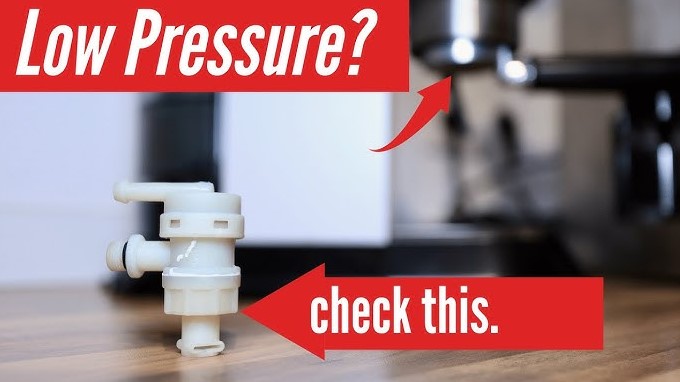
The water tank is often the weakest link. Check the base of your reservoir for a small spring-loaded valve. If this valve gets stuck, or if the tank is not sitting flush on the base, the machine will not pull water. Press the valve gently with your finger to ensure it moves freely. If it is stuck, a quick rinse with warm, soapy water usually does the trick.
Priming the Pump
If you suspect an air lock, you need to manually “prime” the machine. Most modern machines have a specific setting for this, but for others, you can use a turkey baster or a large syringe. By injecting a small amount of water directly into the intake port inside the reservoir, you can force the air out of the line, allowing the pump to catch the water and begin working again.
The Importance of Descaling Your Machine
In 2026, we have access to better cleaning solutions than ever before. If your coffee maker pump is not working, descaling should be your first line of defense. Scale consists of calcium and magnesium, which turn into a hard, white crust over time.
How to Descale Effectively
Use a high-quality descaling solution rather than plain vinegar whenever possible. Vinegar can be too harsh for certain internal rubber gaskets. Fill the reservoir with the descaling mix and run half a cycle. Turn the machine off and let it sit for thirty minutes.
This “soak” time is crucial, as it allows the chemical to break down the hardened minerals. After the soak, finish the cycle and run at least three full tanks of fresh water through the system to remove any lingering taste.
Preventing Future Buildup
To avoid these problems in the future, consider using a water softening filter in your reservoir. Even if you have good tap water, filtering it can double the lifespan of your pump. If your machine does not have a filter holder, try switching to bottled spring water for a week to see if the flow rate improves.
Advanced Diagnostics: When to Look Inside
If you are handy with a screwdriver, you might want to open the casing to look for mechanical failures. However, always ensure your warranty is expired before you do this, as opening the case will likely void it.
Testing the Solenoid Valve
The solenoid valve is an electronic gatekeeper. If the pump is running but water isn’t going where it should, the solenoid might be dead. You can usually tell if it is working by listening for a distinct “click” when you press the brew button. If there is no click, the valve may be stuck or burnt out.
Inspecting Internal Hoses
Sometimes, a hose may have slipped off a connector due to vibration. If you see water pooling inside the machine, turn it off immediately. Open the housing and check for any disconnected or cracked silicone tubing. A simple zip tie or a new piece of tubing can often fix a leak that was causing the pump to lose pressure.
When to Replace the Pump?
Sometimes, the pump simply reaches the end of its life. Mechanical pumps have a finite number of cycles they can perform. If the pump is making a grinding, metallic noise, or if it produces a burning smell, it is time for a replacement.
Sourcing the Right Part
In 2026, online marketplaces make it very easy to find model-specific parts. Search for your machine’s model number followed by “vibration pump.” You will find that most pumps are universal across brands, making them affordable and relatively easy to swap out if you are comfortable with basic wiring and plumbing connections.
Conclusion
Dealing with a coffee maker pump not working can be frustrating, but it is rarely a reason to throw away a perfectly good machine. By understanding the basics of air locks, mineral buildup, and electrical connections, you can become your own kitchen repair expert.
Regular maintenance, such as consistent descaling and proper water management, will keep your machine running smoothly for years to come. Remember, the best cup of coffee is the one you brewed yourself, so take a little time to care for your equipment and enjoy the rewards!
Frequently Asked Questions
Why does my coffee maker make a loud noise but no water comes out?
This is usually caused by an air lock in the system or a clogged intake tube. Try priming the pump manually or running a descaling cycle to clear any obstructions.
How often should I descale my coffee machine to prevent pump issues?
You should descale your machine every 3 to 6 months, depending on your local water hardness. If you live in an area with very hard water, consider doing it every 2 months.
Can I use vinegar to fix a clogged pump?
While vinegar can help remove scale, it can also degrade rubber seals and gaskets over time. Using a dedicated descaling solution is safer and more effective for modern machines.
What if my pump is not working even after descaling?
If descaling doesn’t work, there may be a mechanical failure, such as a burnt-out solenoid or a loose internal hose. You may need to inspect the internal components for leaks or blockages.
Is it safe to open my coffee maker to fix the pump?
It is safe only if the machine is completely unplugged and you have experience with basic electronics. Note that opening the casing will void most manufacturer warranties.
How do I know if my pump is completely dead?
If the pump makes a grinding noise, emits a burning smell, or makes no sound at all when activated, it has likely failed electronically or mechanically and needs to be replaced.