
Soap making needs the right tools for smooth and even results. A hand blender can help you mix oils, lye water, fragrances, and other ingredients with less effort. The right blender can also speed up the mixing process and help your soap reach trace at a steady rate. A poor-quality model may struggle with thick mixtures, overheat during long use, or feel uncomfortable in your hand.
That makes the blender an important part of your soap-making setup. This guide covers five of the best hand blenders for soap making. Each option offers useful features for different soap-making needs. You can compare motor power, blade design, speed settings, handle comfort, and cleaning needs before making your choice.
A good hand blender should give you strong mixing power and reliable control without making the process harder. Read on to find a model that fits your batch size, budget, and soap-making style.
5 Best Hand Blenders For Soap Making
| Image | Title | Best For | Link |
|---|---|---|---|
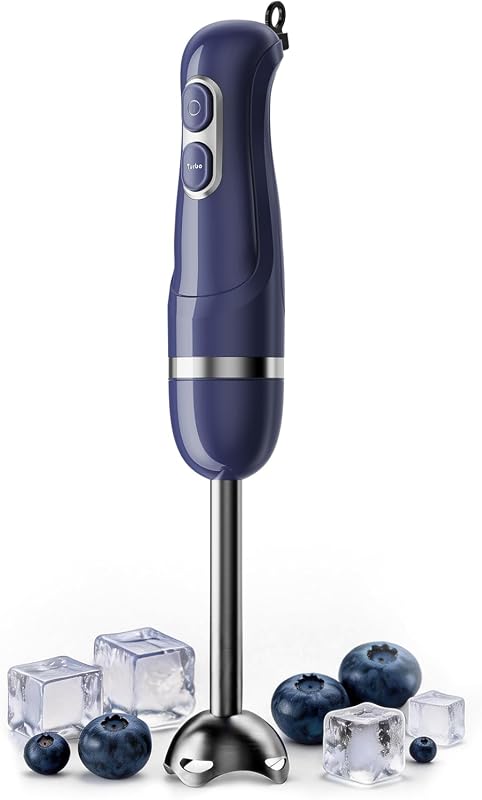 |
Turelar 400W Immersion Blender | Reliable performance for small batches. | View on Amazon |
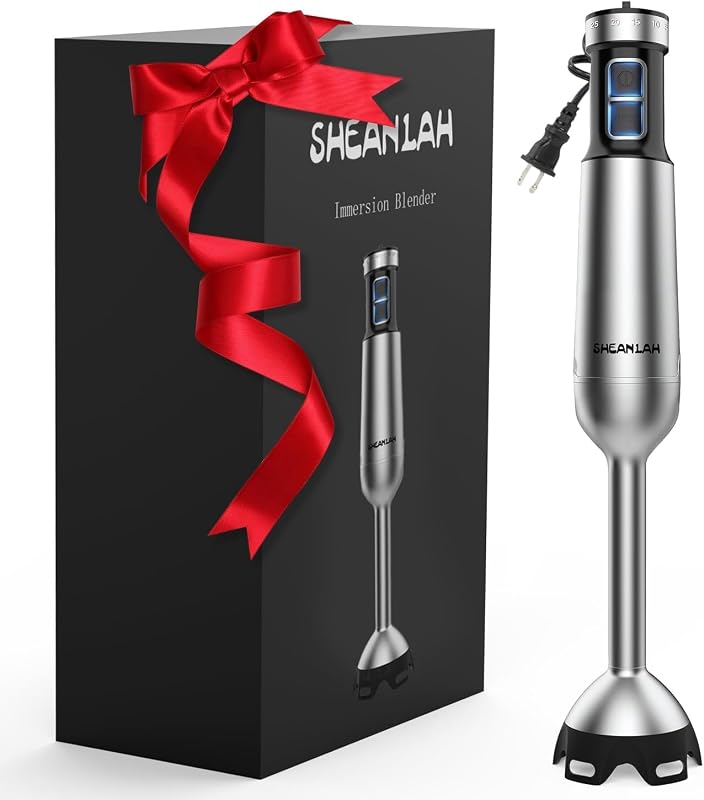 |
1000W 25-Speed Hand Blender | Heavy-duty soap making requirements. | View on Amazon |
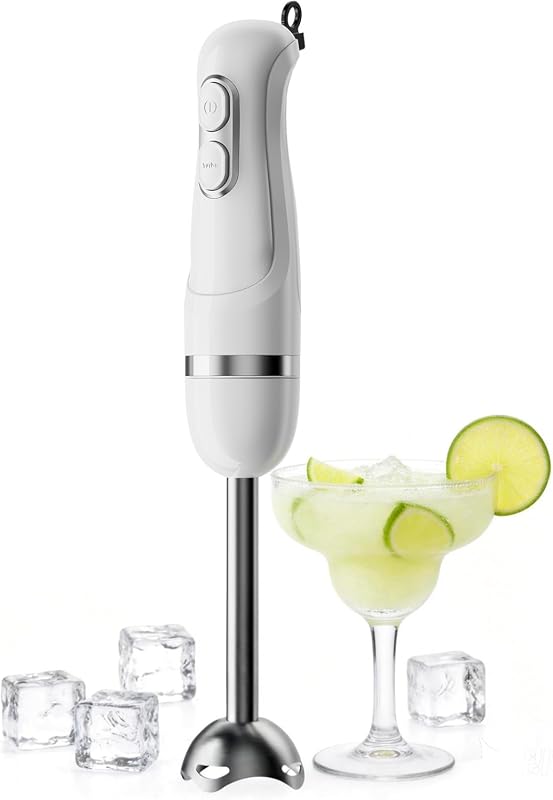 |
Turelar 400W Immersion Blender | Affordable choice for beginners. | View on Amazon |
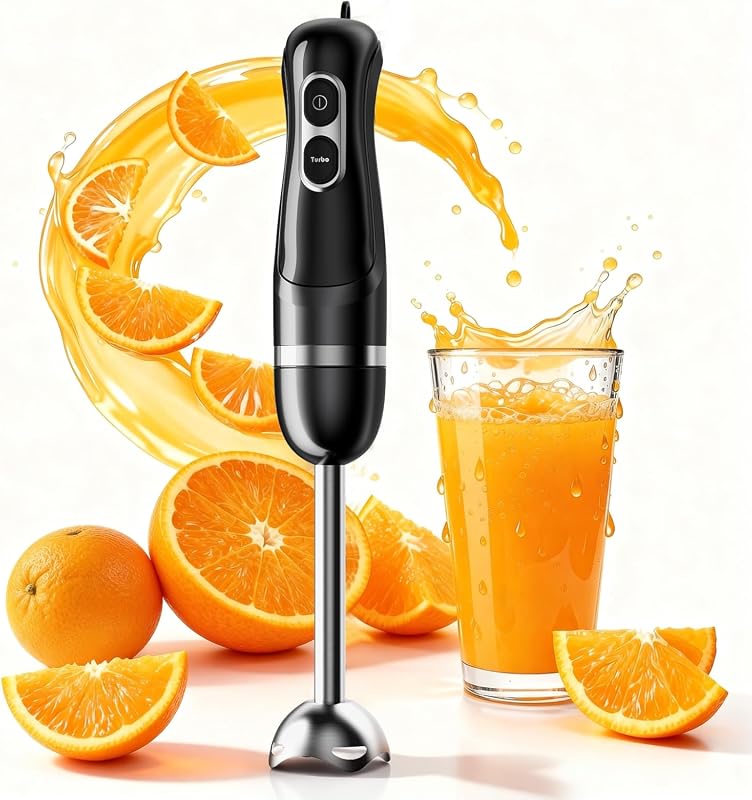 |
Turelar 400W Immersion Blender | Consistent everyday soap crafting. | View on Amazon |
 |
OVENTE HS560B Hand Blender | Versatile kitchen and soap prep. | View on Amazon |
Our Top 5 Best Hand Blenders For Soap Making Reviews – Expert Tested & Recommended
1. Turelar 400W Corded Immersion Blender
The Turelar 400W blender is a fantastic companion for soap makers who need a reliable motor to reach “trace” quickly. Its high-torque design handles thicker soap batches with ease, making it a staple in any hobbyist’s workshop.
Key Features That Stand Out
- ✓ Powerful 400W copper motor for consistent blending
- ✓ Two speed settings to control emulsification
- ✓ BPA-free components safe for chemical soap reactions
- ✓ Ergonomic grip reduces fatigue during long sessions
Why We Recommend It
We love this unit because it strikes the perfect balance between power and control. It moves through oils and lye water effortlessly, helping you achieve a smooth, lump-free batter every time.
Best For
This blender is best for hobbyist soap makers working on small-to-medium batches.
Pros and Cons at a Glance
2. 1000W 25-Speed Hand Blender
If you are a serious soap maker dealing with large batches, this 1000W powerhouse is exactly what you need. With 25 speed settings, you have total control over the pace of your saponification process.
Key Features That Stand Out
- ✓ Massive 1000W motor for high-volume batches
- ✓ 25 precision speed settings
- ✓ Scratch-resistant stainless steel blades
- ✓ Highly durable copper brushless motor
Why We Recommend It
This is the ultimate tool for advanced crafters. The sheer power allows you to handle even the thickest soap recipes, such as those with heavy amounts of wax or stearic acid, without burning out the motor.
Best For
Ideal for experienced soap makers who produce professional-sized batches regularly.
Pros and Cons at a Glance
3. Turelar 400W Corded Immersion Blender
Just starting out? The Turelar 400W budget model is the ideal entry point. It gives you the necessary power to make great soap without breaking the bank.
Key Features That Stand Out
- ✓ Excellent value for the price
- ✓ Sufficient 400W power for basic recipes
- ✓ Simple 2-speed operation
- ✓ Easy-to-clean detachable design
Why We Recommend It
Soap making can get expensive with supplies. This blender allows you to save on equipment while still getting a high-quality, reliable motor that gets the job done efficiently.
Best For
Perfect for students and beginners looking for their first dedicated soap-making blender.
Pros and Cons at a Glance
4. Turelar 400W Corded Immersion Blender
Another excellent variation of the Turelar line, this model focuses on durability and precise emulsification. It’s a solid choice for those who value consistency and simple maintenance in their soap room.
Key Features That Stand Out
- ✓ Professional-grade stainless steel construction
- ✓ High-torque motor for efficient emulsification
- ✓ Ergonomic, non-slip design for safety
- ✓ BPA-free food-grade materials
Why We Recommend It
We recommend this because of its reliability. When you are working with lye, the last thing you want is a tool that fails. This model is built to last and provides consistent results every single time.
Best For
Great for consistent, everyday soap crafting at home.
Pros and Cons at a Glance
5. OVENTE Electric 300W Corded Hand Blender
The Ovente 300W blender is a compact, lightweight option for those who don’t need excessive power but want a dependable tool for smaller projects or craft experiments.
Key Features That Stand Out
- ✓ Lightweight and very easy to maneuver
- ✓ Dual-speed settings for versatility
- ✓ Sleek, slim design for easy storage
- ✓ Non-slip handle for added control
Why We Recommend It
Sometimes you just need a simple, reliable tool. This blender is perfect for small batches or making small “tester” soaps where you don’t need a heavy-duty motor.
Best For
Ideal for soap makers who prefer a lightweight, easy-to-handle tool for light work.
Pros and Cons at a Glance
Complete Buying Guide for Hand Blenders for Soap Making
Essential Factors We Consider
When choosing a blender, motor power is the most critical factor. For soap makers, high torque is more important than sheer speed. Look for stainless steel attachments, as they are resistant to the harsh chemicals involved in saponification. Additionally, an ergonomic design is non-negotiable to prevent hand strain during extended stirring.
Budget Planning
You do not need to spend a fortune to get a great result. Entry-level blenders around the 300W-400W range are perfectly capable for most home soap makers. Invest in more powerful 1000W models only if you plan to do heavy-duty, large-scale production where reaching trace quickly is a requirement.
Final Thoughts
Finding the right tool is the first step toward better soap. Whether you choose the power-packed editor’s favorite or a budget-friendly starter model, focus on cleaning your equipment well and treating it with care. Happy crafting!
Frequently Asked Questions
Q: Can I use the same blender for food and soap?
A: No, never use the same equipment for both. Once a blender has touched lye, it should be dedicated strictly to soap making.
Q: Why does my soap thicken so fast?
A: This is usually due to high temperatures or fragrance oils that accelerate trace. Try using a lower speed setting on your hand blender.
Q: What is the benefit of a pulse setting?
A: A pulse setting gives you better control over the emulsification process, helping you avoid air bubbles and prevents the soap from “seizing” or thickening too rapidly.