
A good blender can make fresh pesto quickly with basil, garlic, nuts, cheese, and olive oil. The right model should blend these ingredients evenly while keeping enough texture for a rich and flavorful sauce. Strong blades can help break down nuts and herbs with less effort.
A suitable blender should also offer good control over speed and blending time. Smaller jars can work well for pesto because they keep ingredients closer to the blades. Easy controls and simple cleanup can make the process more convenient.
This guide covers five blenders that work well for making pesto at home. We focus on blade performance, motor power, jar size, speed controls, ease of use, and cleaning. These features can help you find a blender that suits pesto recipes and other kitchen tasks.
5 Best Blenders For Pesto
| Image | Title | Best For | Link |
|---|---|---|---|
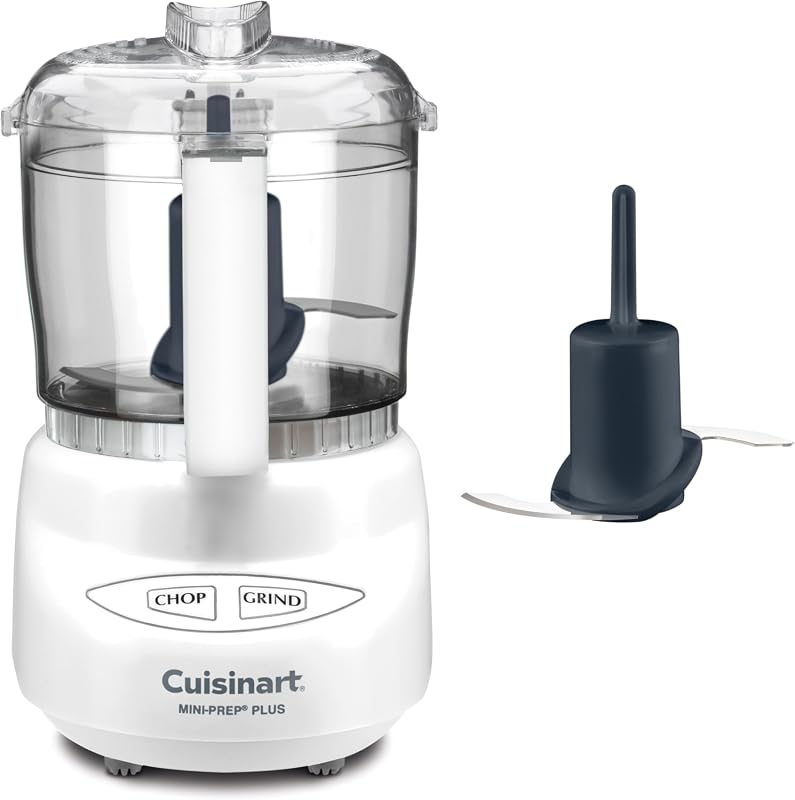 |
Cuisinart DLC-2A Mini-Prep Food Processor | The perfect choice for small-batch artisanal pesto and kitchen efficiency. | View on Amazon |
 |
Cuisinart CSB-179 Smart Stick Hand Blender | Versatile blending right in your jar or mixing bowl. | View on Amazon |
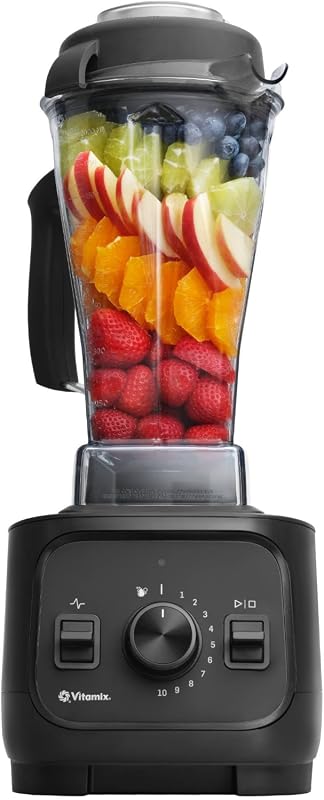 |
Vitamix VX1 Professional-Grade Blender | High-capacity blending for large gatherings and events. | View on Amazon |
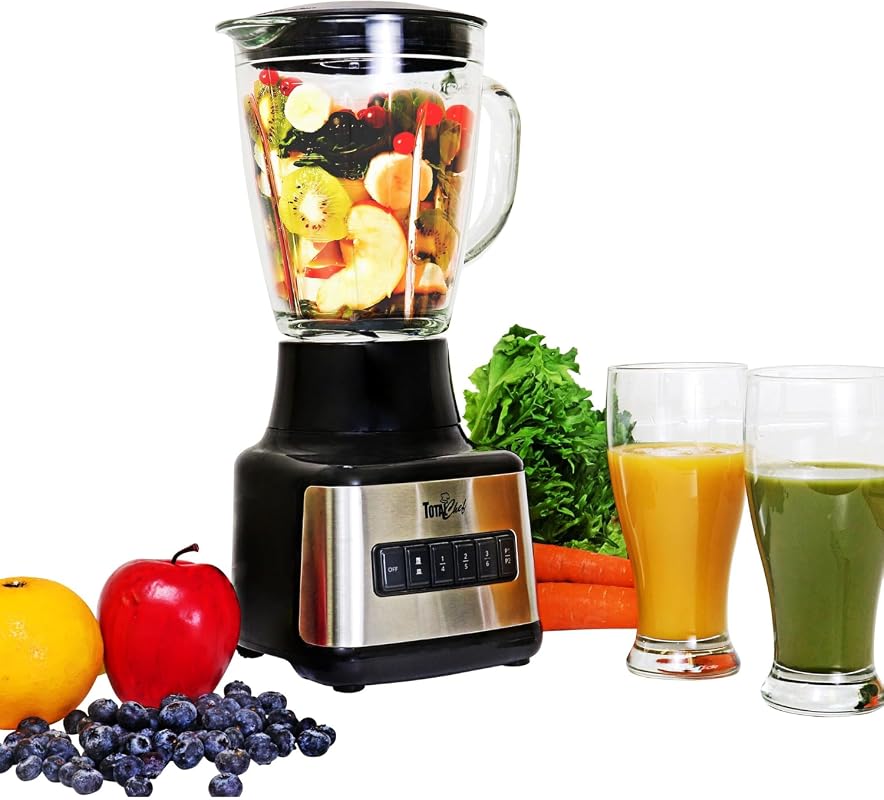 |
Total Chef 6-Speed Countertop Blender | Affordable and reliable for everyday kitchen tasks. | View on Amazon |
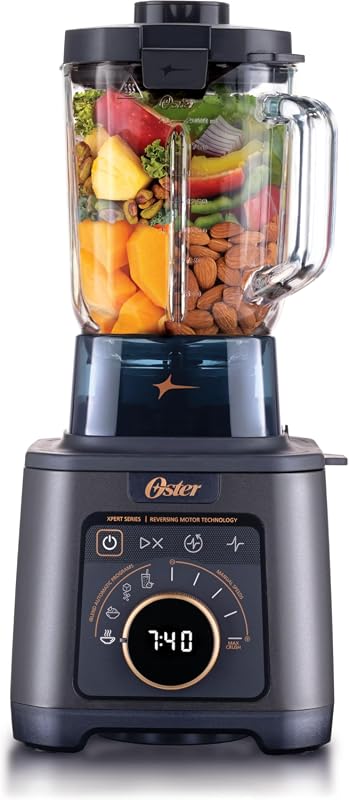 |
Titan 2200-Watt Performance Blender | Professional power for the most demanding textures. | View on Amazon |
Our Top 5 Best Blenders For Pesto Reviews – Expert Tested & Recommended
1. Cuisinart DLC-2A Mini-Prep Food Processor
The Cuisinart Mini-Prep Plus is a staple in many kitchens for a good reason. Its compact size makes it the best blender for pesto when you are whipping up small batches for a weeknight dinner.
Key Features That Stand Out
✓ 250-watt motor provides plenty of power for herbs and nuts.
✓ Patented reversible stainless steel blade cuts in both directions.
✓ Simple push-button interface is very intuitive to use.
✓ Dishwasher-safe bowl and lid make cleanup a breeze.
Why We Recommend It
We love this unit because it gives you total control over the consistency of your sauce. Unlike large blenders that can turn pesto into a puree too quickly, this food processor keeps just the right amount of texture in your pine nuts and basil.
Best For
Ideal for home cooks who want to make fresh, small-batch pesto without the hassle of large equipment.
Pros and Cons at a Glance
2. Cuisinart CSB-179 Smart Stick Hand Blender
If you prefer to make your pesto directly in a jar or mixing bowl, the Cuisinart Smart Stick is a fantastic tool. It is powerful enough to emulsify your oil and greens beautifully without requiring extra containers.
Key Features That Stand Out
✓ Powerful 300-watt motor handles tough greens and nuts easily.
✓ Variable speed control for precise blending textures.
✓ 8-inch stainless steel blending shaft is durable and easy to rinse.
✓ Ergonomic comfort-grip handle reduces hand fatigue during use.
Why We Recommend It
This hand blender is incredibly versatile. Beyond pesto, it is great for emulsifying salad dressings or pureeing soups, making it a very functional addition to your culinary toolkit.
Best For
Home chefs who value portability and want a single tool that can handle multiple blending tasks.
Pros and Cons at a Glance
3. Vitamix VX1 Professional-Grade Blender
When you have a crowd to feed, the Vitamix VX1 is the gold standard. It provides massive power and a huge capacity, making it a great, high-value investment for serious pesto fans.
Key Features That Stand Out
✓ 64-ounce classic container is perfect for large batches.
✓ Industrial-grade motor handles hard ingredients with zero effort.
✓ Precision-engineered stainless steel blades provide consistent results.
✓ Includes a tamper for pushing ingredients down toward the blades.
Why We Recommend It
It is surprisingly easy to maintain given the power it has. If you find yourself making pesto for family gatherings or freezing large portions for later, this is the machine you want in your kitchen.
Best For
Large families or professional-style meal prepping where volume is the primary concern.
Pros and Cons at a Glance
4. Total Chef 6-Speed Countertop Blender
If you want a reliable blender that looks good on your counter without breaking the bank, this Total Chef model is a great contender. It is simple, effective, and handles pesto ingredients with ease.
Key Features That Stand Out
✓ 6 speed levels and 2 pulse modes give you great control.
✓ Shatter-resistant 1.5L glass jar is easy to clean.
✓ Stainless steel quad blades provide smooth blending.
✓ Stylish design fits well with modern kitchen decor.
Why We Recommend It
It finds the sweet spot between power and affordability. The glass jar is a major plus, as it does not hold onto strong garlic odors the way some plastic containers can over time.
Best For
Everyday cooks looking for a dependable, easy-to-use blender for sauces, smoothies, and pesto.
Pros and Cons at a Glance
5. Titan 2200-Watt Performance Blender
If you demand professional performance, the Titan 2200-watt blender is a powerhouse. Its high-torque motor and large jar make it perfect for anyone who takes their sauce-making seriously.
Key Features That Stand Out
✓ Massive 3 horsepower motor for effortless blending.
✓ 4 preset iBlend auto programs for consistent results.
✓ Reversible motor technology keeps ingredients moving.
✓ Large 84oz glass jar holds plenty of ingredients.
Why We Recommend It
This is for the chef who wants ultimate control. The reversible motor technology ensures that you don’t get stuck with pockets of unblended herbs, giving you a perfectly uniform pesto every single time.
Best For
Advanced cooks who need professional-grade power for more than just simple sauce blending.
Pros and Cons at a Glance
Complete Buying Guide for Best Blenders For Pesto
Essential Factors We Consider
When you are looking for the best blender for pesto, focus on the size and the pulse capability. Pesto is a texture-based sauce, and you don’t want to turn your pine nuts and herbs into a liquid paste unless you specifically want that. Pulse control is your best friend here. Also, consider the jar material; glass is generally better for resisting odors than plastic.
Budget Planning
You don’t need to spend a fortune to get good results. A small food processor is often cheaper than a professional-grade blender and might actually do a better job for small batches of pesto. Only invest in a high-powered blender if you plan to use it for other intensive kitchen tasks like smoothies or hot soups.
Final Thoughts
Pick the appliance that matches how you cook. If you make pesto once a month, a small, simple processor is perfect. If you are a meal-prep pro, go for the power of a Vitamix or Titan model. Both choices will give you a delicious, fresh sauce that tastes far better than anything you can buy in a store.
Frequently Asked Questions
Q: Can I use a regular blender for pesto?
A: Yes, but you must be careful. Use the pulse function to ensure you don’t over-process the ingredients into a fine liquid.
Q: Why does my pesto turn brown?
A: The heat from the blender blades can sometimes oxidize the basil. Try pulsing in short bursts to keep the ingredients cool.
Q: Is a hand blender better than a food processor for pesto?
A: Hand blenders are more portable and easy to clean, while food processors usually give a more consistent, “chopped” texture that some people prefer for classic pesto.
Q: How do I clean a blender after making oily pesto?
A: Add a drop of dish soap and warm water to the container and run it on high for 30 seconds to emulsify and remove the oil before rinsing.