
Making homemade nut butter requires more power than making smoothies or shakes. Hard nuts create a thick mixture that puts extra strain on the motor. A powerful blender can grind almonds, peanuts, cashews, and other nuts into a smooth spread by breaking them down and releasing their natural oils.
Motor strength, blade design, jar shape, and tamper support all matter for this job. Many guides recommend high-powered models because weaker blenders can struggle with dense mixtures or overheat during extended blending. A tamper can also help keep nuts moving toward the blades instead of sticking to the sides of the container.
This guide covers five of the best blenders for making butter at home, including options for different budgets and batch sizes. We considered motor power, blending performance, container design, speed control, tamper support, durability, cleaning, and overall value. These picks can help you make smoother homemade peanut butter, almond butter, cashew butter, and other nut spreads.
5 Best Blenders For Making Butter
| Image | Title | Best For | Link |
|---|---|---|---|
 |
Professional 1800W Countertop Blender | Heavy-duty blending power for quick butter separation. | View on Amazon |
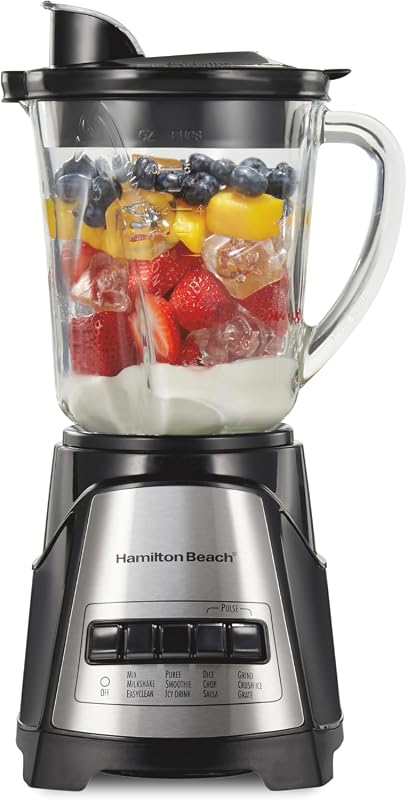 |
Hamilton Beach Power Elite Blender | Affordable and reliable for everyday kitchen tasks. | View on Amazon |
 |
NutriBullet Full-Size Blender Combo | Versatile performance for multiple food prep needs. | View on Amazon |
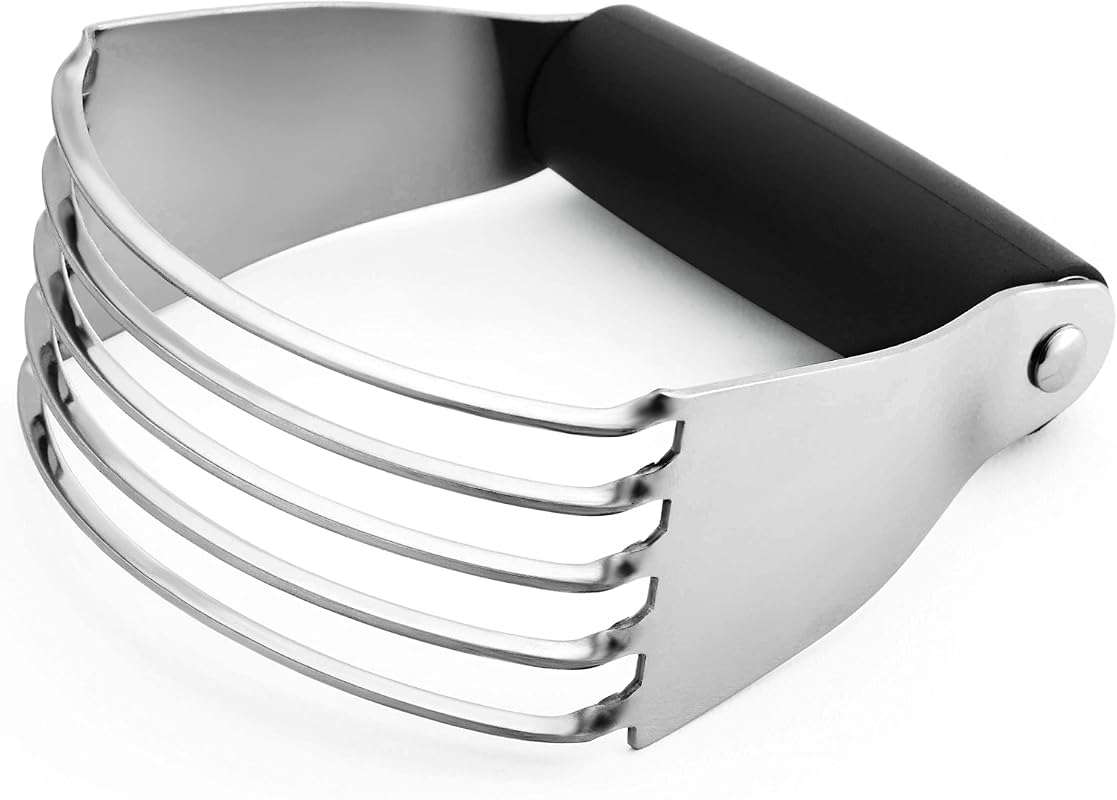 |
Spring Chef Medium Dough Blender | Manual tool for folding butter into pastry dough. | View on Amazon |
 |
Electric Butter Churner Machine | Dedicated machine for effortless butter creation. | View on Amazon |
Our Top 5 Best Blenders For Making Butter Reviews – Expert Tested & Recommended
1. Professional 1800W Countertop Blender
This powerhouse blender is designed for those who want speed and consistency. With its 1800W motor, it separates the butterfat from buttermilk in record time, making it one of the most efficient tools for the job.
Key Features That Stand Out
- ✓ Extremely high 1800W motor power
- ✓ Large 68oz capacity for bulk batches
- ✓ Variable speed dial for controlled churning
- ✓ Includes a convenient to-go cup
Why We Recommend It
We love this blender for its sheer strength and versatility. It handles the transition from cream to whipped state to solid butter effortlessly, saving you manual labor time.
Best For
Families or serious home cooks who plan to make butter frequently in large batches.
Pros and Cons at a Glance
2. Hamilton Beach Power Elite Blender
The Hamilton Beach Power Elite is a classic choice for home cooks who appreciate simplicity. Its Wave Action system ensures that ingredients are constantly pulled down, which is helpful when turning cream into butter.
Key Features That Stand Out
- ✓ Patented Wave Action system
- ✓ 700 watts of peak power
- ✓ Dishwasher safe parts
- ✓ Easy-pour spout to prevent mess
Why We Recommend It
It is incredibly user-friendly and reliable. For those who don’t want a complicated interface, this model gets the job done without any fuss.
Best For
Beginners who want a reliable, budget-friendly machine for basic kitchen tasks.
Pros and Cons at a Glance
3. NutriBullet Full-Size Blender Combo
The NutriBullet Combo is a sleek, modern choice that performs surprisingly well for butter making. Its 1200W motor provides plenty of torque for churning through heavy cream.
Key Features That Stand Out
- ✓ 1200 watts of consistent power
- ✓ Versatile multi-size cup/pitcher system
- ✓ Pulse function for precise control
- ✓ Sleek, compact design
Why We Recommend It
It strikes a great balance between performance and footprint. It’s powerful enough for butter, yet compact enough for smaller kitchens.
Best For
People who want a high-performance blender that doubles as a daily smoothie maker.
Pros and Cons at a Glance
4. Spring Chef Medium Dough Blender
While this is not a power blender, it is essential for working butter into dry ingredients for pastries. Its heavy-duty construction makes it a favorite among home bakers.
Key Features That Stand Out
- ✓ Durable stainless steel blades
- ✓ Comfortable, non-slip grip
- ✓ Cuts cold butter with minimal effort
- ✓ Dishwasher safe
Why We Recommend It
This tool is invaluable when you want to make perfect crusts and biscuits. It performs the specific task of incorporating fat into flour better than any blender ever could.
Best For
Bakers who need precise control over butter and flour consistency.
Pros and Cons at a Glance
5. Electric Butter Churner Machine
If you take butter making seriously, this dedicated churner is a game changer. Unlike a standard blender, this device is specifically engineered to handle the churning process with minimal mess.
Key Features That Stand Out
- ✓ Large 61oz glass jar capacity
- ✓ Engineered specifically for butter
- ✓ Fast 10-minute churning time
- ✓ Simple one-touch operation
Why We Recommend It
It completely eliminates the guesswork. Because it’s designed for this exact purpose, it makes cleaner, more consistent butter than most general-purpose blenders.
Best For
Dedicated home artisans who want the best possible homemade butter with minimal cleanup.
Pros and Cons at a Glance
Complete Buying Guide for Best Blenders For Making Butter
Essential Factors We Consider
When searching for the best blenders for making butter, you must consider motor strength and jar size. A powerful motor will cut through the thickness of cream effectively, while a larger capacity allows for bigger batches without overloading the motor. Always look for durable stainless steel blades that can withstand the density of churning cream.
Budget Planning
You do not need to spend a fortune to get great results. High-end professional blenders offer speed and extra durability, but entry-level models are often perfectly adequate for occasional butter makers. Determine how often you plan to make butter before deciding on your budget bracket.
Final Thoughts
Whether you choose a multipurpose blender or a specialized churner, the key is consistency. Always start with high-quality, cold heavy cream for the best flavor and texture. With the right tool, you will enjoy fresh, homemade butter that makes your kitchen cooking experience truly special.
Frequently Asked Questions
Q: Can any blender be used to make butter?
A: Most blenders can churn cream, but those with high-torque motors will give you much faster and more reliable results without straining the machine.
Q: Do I need a specific type of cream?
A: Yes, use high-fat heavy whipping cream, ideally at room temperature for faster churning, though many prefer chilled cream for better separation.
Q: How long does it usually take?
A: Using a powerful electric blender, the process typically takes anywhere from 5 to 10 minutes depending on the volume and motor strength.
Q: How do I know when it is done?
A: You will see the texture shift from whipped cream to solid clumps of butter separated from thin, watery buttermilk. Once you see this, you know you are done.