
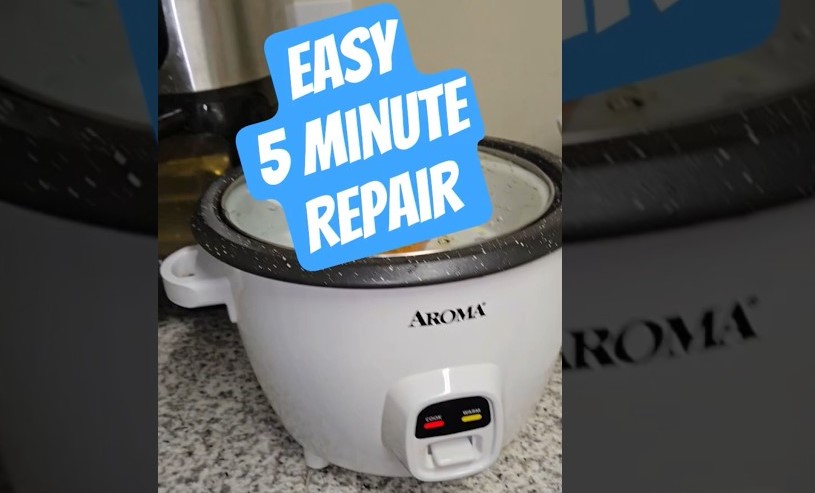
If you find your Aroma rice cooker not working, start by checking the power cable and the thermal fuse for basic connectivity issues. Often, a simple reset or cleaning of the heating plate solves the problem, saving you from expensive repairs or unnecessary replacements.
There is nothing quite as frustrating as coming home hungry, ready to enjoy a fluffy bowl of rice, only to discover your Aroma rice cooker not working. We have all been there. You press the cook button, wait, and then realize the device is cold or the display is blank.
In 2026, technology is supposed to be smarter, yet these reliable kitchen staples can still hit a snag. Before you toss it in the bin or spend money on a replacement, take a deep breath. Most issues with these cookers are surprisingly minor. They often stem from simple electrical connectivity or a buildup of gunk that tricks the sensors.
In this guide, we will walk through the diagnostic process like a friend helping you in the kitchen. We will cover everything from power supply mysteries to the dreaded sensor errors. By the time you reach the end, you will likely have a perfectly functioning appliance again.
Key Takeaways
- Power Basics: Always check your wall outlet and the detachable power cord before assuming the unit is broken.
- Heating Plate Maintenance: Debris or food particles on the heating plate can prevent the sensor from detecting the pot, causing your Aroma rice cooker not working scenarios.
- Thermal Fuse Protection: If the unit completely loses power, the internal thermal fuse might have tripped due to overheating.
- Lid Seal Integrity: A loose or dirty lid seal prevents the pressure needed to cook rice properly, leading to undercooked grains.
- The Reset Ritual: Sometimes, unplugging the device for ten minutes allows the internal computer to clear errors and reboot successfully.
Understanding the Power Supply and Electrical Connections
The most common reason for an Aroma rice cooker not working involves the power flow. Because these units handle high heat, they often come with safety-focused power cords that are designed to detach if pulled too hard. This is great for safety but bad for your lunch plans if the cord has wiggled loose.
Checking the Basics
Start with the wall outlet. It sounds basic, but kitchen outlets often have GFCIs that trip easily. If your rice cooker is plugged into the same strip as a coffee maker or toaster, the circuit might have overloaded. Try plugging the cooker directly into a wall socket you know is working. If the display lights up, you have found the culprit.
Inspecting the Detachable Cord
Many Aroma models feature a magnetic or standard plug that connects to the base. Over time, these can accumulate moisture or stray rice debris. Inspect the port on the cooker base. If you see charred spots or bits of food, clean it gently with a dry cloth. Ensure the cord is pushed in firmly. If the cord feels loose or falls out with a light touch, it may be time to source a replacement power cable rather than a whole new machine.
The Heating Plate and Sensor Troubleshooting
If your cooker has power but the rice remains raw, the issue usually lies with the heating plate. The plate is the metal circle at the bottom of the basin. It is the heart of the machine. If there is even a thin layer of burnt food, rice starch, or water residue between the plate and the inner pot, the heat transfer will be blocked. This is a classic reason for an Aroma rice cooker not working as intended.
Visual guide about Aroma Rice Cooker Not Working
Image source: missvickie.com
Cleaning the Heating Plate
Unplug the device and let it cool completely. Take a damp cloth with a mild vinegar solution and wipe the surface of the heating plate. If there are hardened crusts, use a soft non-abrasive sponge. Do not use steel wool, as this will scratch the surface and cause future sticking. Once it is clean and bone-dry, wipe the bottom of your inner pot as well. If the bottom of the pot is wet, the sensors may detect an error or refuse to start the cooking cycle.
The Magnetic Sensor Switch
Underneath the center of the heating plate is a spring-loaded magnetic sensor. Its job is to measure the weight of the pot and the temperature. If this sensor is stuck or pushed down too hard, the cooker will think the pot is missing. Gently press the sensor down – it should bounce back up with a springy action. If it stays stuck down, use a cotton swab to gently clean around the edges to remove any hardened syrup or debris.
Handling Thermal Fuse and Internal Component Issues
Sometimes, despite your best efforts, the unit remains completely dead. This often points to a blown thermal fuse. These fuses are internal safety devices that break the circuit if the cooker gets way too hot, preventing a fire. It is a fantastic safety feature, but it means the cooker will not turn on again until the fuse is replaced.
Identifying a Blown Fuse
If you are tech-savvy and comfortable with a screwdriver, you can open the base panel. However, please note that doing this usually voids your warranty. If your warranty is already expired, you might look for a specialized fuse replacement kit. Most users prefer to take the unit to a small appliance repair shop if they suspect an internal fuse issue, as electricity can be dangerous if you are not experienced with internal wiring.
Avoiding Future Overheating
Why did the fuse blow in the first place? Often, it happens because of improper water ratios or “extreme” cooking cycles where the unit ran dry for too long. Always ensure you are using the measuring cup provided with the Aroma cooker. It is specifically calibrated for the unit’s internal logic. Using random mugs leads to incorrect water levels, which causes the sensor to overwork the heating element.
Lid and Pressure Seal Problems
Even if the machine powers on and heats up, you might still find your Aroma rice cooker not working perfectly because the rice turns out mushy or hard. This usually points to a lid problem. Your cooker relies on trapped steam to cook the rice evenly.
Checking the Gasket
The rubber gasket inside the lid is vital. If it is cracked, warped, or dirty, steam will escape. When steam escapes, the internal temperature never reaches the threshold required to trigger the “Keep Warm” phase. Check the rim of the lid for any food buildup. If the seal looks brittle, you can order a replacement gasket online for most Aroma models. Replacing a $10 gasket is much better than buying a new $80 cooker.
The Steam Vent
Check the steam vent cap on top of the lid. If it is clogged with dried starch, it will trap too much pressure or release too little. Pop the cap off and wash it in warm, soapy water. Ensure the path from the lid interior to the vent is clear. A clear vent ensures that the pressure inside stays within the manufacturer’s design parameters.
Digital Display and Programming Errors
Modern Aroma models have digital displays that show countdown timers and setting menus. If you see an error code like “E1” or “E2,” the computer board is confused. These are not always signs of a broken cooker; sometimes, it is just a software hiccup.
The Hard Reset
When you see an error code on the screen, try a hard reset. Unplug the unit and leave it unplugged for at least ten to fifteen minutes. This allows the internal capacitors to fully discharge. When you plug it back in, the computer board should reset to its factory state. If the error returns immediately, there may be a fault with the thermistor, which is the component that reads the internal temperature.
Settings Mismatch
Sometimes, we accidentally press the “Delay Timer” instead of “Cook.” If the display is showing a number like 2, 4, or 6, it might be in delay mode. Double-check your settings. The cooker isn’t failing; it is simply waiting for the timer to count down before it begins the heating process. Simply cancel the program and restart the cycle if you were not trying to delay the cook.
Conclusion
Dealing with an Aroma rice cooker not working is rarely a permanent problem. By following these steps checking your power source, cleaning the sensor and heating plate, and ensuring the lid is properly sealed you can resolve the vast majority of common issues in under twenty minutes.
Kitchen appliances take a lot of wear and tear, but with regular maintenance and gentle cleaning, yours can last for many years.
If you have tried all the steps above and your device still refuses to cook, it might be time to contact the Aroma manufacturer’s support line or check if your warranty is still active. Remember, these devices are designed for longevity. Don’t lose hope your perfectly cooked rice is likely just one cleaning or cable-tightening away.
Frequently Asked Questions
Why is my Aroma rice cooker display blank?
A blank display usually indicates a loss of power. Check if your power cord is securely plugged into both the wall outlet and the base of the rice cooker, and ensure your wall outlet is functional.
Can I use soap to clean the heating plate?
You should use only a damp cloth with mild vinegar or water to clean the heating plate. Never submerge the base of the cooker in water or use harsh soaps that might leave a residue that interferes with the heat sensor.
What does it mean when my rice comes out crunchy?
Crunchy rice is often a sign of insufficient water or a loose lid seal that is allowing steam to escape too quickly. Ensure you are using the official Aroma measuring cup and that the lid gasket is clean and free of debris.
Should I replace the fuse myself?
Replacing an internal thermal fuse requires basic electrical knowledge and the correct replacement part. If you are not comfortable working with live electronics, it is much safer to contact a professional repair shop.
How often should I clean the lid’s steam vent?
You should rinse the steam vent after every few uses to prevent starch buildup. A clogged vent can trap excess pressure and prevent the cooker from finishing its cycle correctly.
Why does my rice cooker turn off before the rice is done?
This is usually caused by a dirty heating plate or a sensor that is blocked by food debris. Clean the plate and the bottom of your inner pot to ensure the sensor can accurately detect the moisture levels in the pot.