
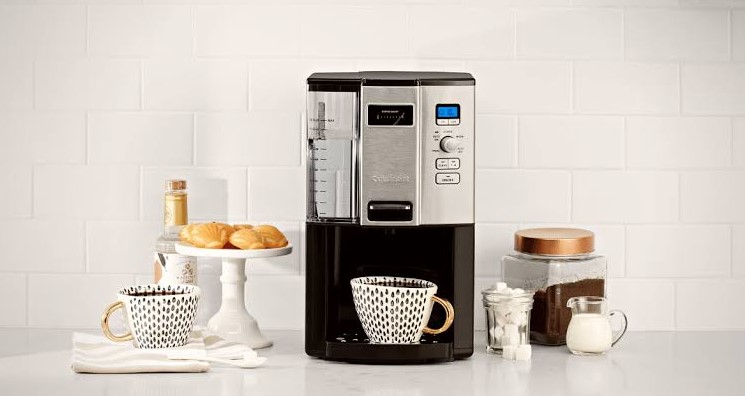
If your Cuisinart coffee maker pump not working, you are likely dealing with a stubborn mineral buildup or a simple airlock in the water lines. By following our step-by-step troubleshooting guide, you can clear the blockage, restore water flow, and get back to brewing your favorite morning cup without needing a costly repair.
There is nothing quite as disappointing as waking up to a quiet kitchen when you expect the bubbling, aromatic sounds of your morning brew. You stand there, bleary-eyed, watching the machine hum, but realize that the Cuisinart coffee maker pump not working is turning your caffeine routine into a morning chore. Whether you have a classic drip model or a modern single-serve unit, this issue is frustratingly common.
In 2026, our coffee machines are more advanced than ever, but they are still susceptible to the classic enemies of kitchen appliances: calcium, lime, and sediment. When your machine fails to pull water, it usually means the heart of the unit the pump is struggling against a blockage. You do not need to be a professional plumber or an engineer to get your machine back in action. Let’s dive into how you can fix these flow issues today.
Key Takeaways
- Mineral Buildup: Hard water deposits are the most common reason for a Cuisinart coffee maker pump not working properly.
- Airlocks: Sometimes, air bubbles get trapped in the internal tubing, preventing the pump from drawing water efficiently.
- Descaling Routine: Regular descaling every three months keeps the internal pump system clean and functional.
- Water Quality: Using filtered water significantly reduces the frequency of pump failures and clogs.
- Power Cycling: Always try a hard reset by unplugging the machine for thirty minutes before attempting manual repairs.
- Professional Help: If the pump makes a grinding noise but no water flows, it may be a mechanical failure requiring a professional technician.
Understanding the Pump Mechanism
To fix the problem, it helps to understand what is happening inside the plastic casing of your Cuisinart. Most Cuisinart brewers use an electromagnetic solenoid pump. This tiny workhorse is responsible for pulling water from the reservoir, pushing it through the heating element, and finally dispensing it into your basket.
The Anatomy of a Flow Issue
When the pump fails, it usually does so for one of three reasons. First, the intake valve might be clogged by debris. Second, the heating element might be so heavily scaled that water cannot pass through it. Finally, an airlock a pocket of trapped air prevents the pump from creating the necessary pressure to lift water against gravity.
Is the Pump Truly Dead?
Before you start taking your machine apart, listen closely. If the machine is silent when you press the brew button, it could be an electrical issue or a fuse. If you hear a loud, sputtering, or grinding noise, the pump is active but failing to move fluid. That is actually good news, as it confirms the electrical components are likely working, and you are simply dealing with a physical obstruction.
Step 1: Tackling the Airlock
An airlock is perhaps the easiest fix for a Cuisinart coffee maker pump not working. This happens when the machine sits unused for a long time or if you accidentally run the reservoir completely dry. The air bubble sits in the tubing, and the pump cannot overcome the vacuum effect.
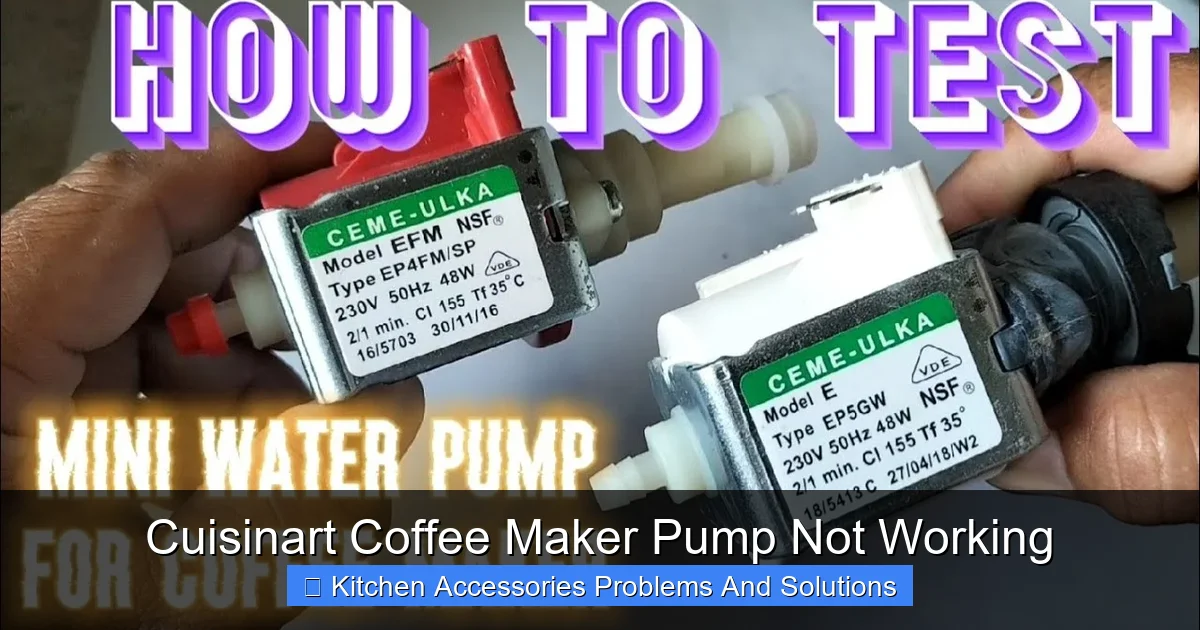
Visual guide about Cuisinart Coffee Maker Pump Not Working
Image source: i.ytimg.com
The Turkey Baster Trick
You can often force the air out by using a turkey baster or a large syringe. Fill the turkey baster with water and place the tip directly into the water intake hole at the bottom of the reservoir. Give the water a firm, quick squeeze. This sudden burst of pressure often clears the air bubble lodged in the line, allowing the pump to prime itself again.
Priming the System
After using the baster, try filling the reservoir to the max line and running a “hot water only” cycle. If the pump struggles, repeat the process. Sometimes, it takes two or three tries to get the water flowing steadily again. This is a common issue for users who move their machines or travel, so keep that baster handy!
Step 2: Descaling for Success
In the vast majority of cases, a Cuisinart coffee maker pump not working is caused by hard water buildup. Even in areas with soft water, minerals accumulate over time. If your machine is older than a year, it is almost certainly due for a deep clean. This process is called descaling, and it is the most vital maintenance step for any coffee lover.
The Vinegar Solution
You do not need fancy, expensive cleaning products. A simple mix of one part white vinegar and two parts water will do the trick. Fill your reservoir with this mixture and start a brew cycle, but hit the “pause” or “off” button halfway through. Let the solution sit in the heating lines for thirty minutes. This “soak” time is critical because it gives the acid in the vinegar time to break down the hardened mineral deposits.
The Final Rinse
After the soak, finish the cycle. Once the reservoir is empty, rinse it thoroughly and run at least two full cycles with plain, fresh water. If you still smell vinegar, do not worry; keep rinsing. The pump should sound smoother and quieter once the calcification is dissolved and flushed out of the system.
Step 3: Checking the Reservoir Valve
Have you ever noticed that little rubber stopper at the bottom of your reservoir? That valve is designed to open when you seat the reservoir onto the machine and close when you lift it off. If this valve gets stuck, your Cuisinart coffee maker pump not working because no water is reaching the pump in the first place.
Cleaning the Valve
Remove the reservoir and look at the bottom. Check for any small debris, coffee grounds, or dried milk residue that might be holding the valve shut. Gently press the spring-loaded button with your finger to ensure it moves freely. If it feels “gummy,” give it a good scrub with a soft brush and warm soapy water.
Alignment Issues
Sometimes, the reservoir just isn’t sitting quite right. Ensure that the plastic base is clean and free of debris. If the reservoir isn’t perfectly seated, the machine will act as if it is empty, and the pump will remain dormant to prevent damage. A quick wipe-down of the contact point is often all it takes to restore a perfect connection.
Step 4: Troubleshooting Clogged Filters and Spouts
Sometimes the issue is not the pump itself, but the output. If the pump is pushing water but it is just sitting in the brew basket, you have a different kind of blockage. This is common when using finely ground coffee or paper filters that are not compatible with your specific Cuisinart model.
The Brew Basket Check
Check the bottom of your brew basket. There is a small spring-loaded pin that releases coffee into the carafe. If this is clogged with old coffee oils, the system will back up, making it seem like the pump has failed. Clean this area with a small stiff brush to ensure water flows through the basket freely.
Showerhead Mineral Buildup
Look at the showerhead the part of the machine that drips water onto your grounds. If this is covered in white, crusty scale, it is restricting flow. A clean showerhead is essential for an even extraction. If it’s blocked, your machine will struggle and the pump will work harder than necessary, eventually leading to a pump failure.
Step 5: When to Call for Professional Help
If you have tried descaling, clearing airlocks, and cleaning the valves, and you still have a Cuisinart coffee maker pump not working, you may be facing a mechanical pump failure. Like any motor, these pumps eventually wear out after thousands of cycles.
Assessing the Cost
If your machine is under warranty, reach out to Cuisinart support immediately. They have excellent customer service and often replace units that fall within the warranty period. If your machine is several years old, compare the cost of a new pump or professional repair against the price of a brand-new model. Sometimes, it is more cost-effective to upgrade to a newer model that features improved energy efficiency and better filtration.
Safety First
If you decide to open the casing to replace the pump yourself, always ensure the machine is completely unplugged. Coffee makers deal with high voltage and high temperatures. If you are not comfortable working with electronics, do not risk it. Bring it to a local small appliance repair shop instead. They can often source parts for Cuisinart machines that are not available to the public.
Conclusion
Dealing with a Cuisinart coffee maker pump not working is a rite of passage for every coffee enthusiast. While it can feel like a disaster at 7:00 AM, it is almost always a manageable issue caused by nature’s own hard water. By keeping up with a regular descaling routine, using filtered water, and checking for simple airlocks, you can ensure your machine stays in peak performance for years.
Remember, your coffee maker is a machine that thrives on cleanliness. Treat it well, and it will keep treating you to the perfect cup of coffee every single morning. If you ever run into a problem, keep this guide handy, stay calm, and start with the simplest solution first the turkey baster trick rarely fails! Happy brewing, and may your morning always be perfectly caffeinated.
Frequently Asked Questions
Why is my coffee maker making a loud noise but no water is coming out?
This typically indicates that the pump is struggling with an airlock or a severe blockage. Try the turkey baster trick to force water into the intake line to clear the trapped air.
How often should I descale my Cuisinart to prevent pump issues?
You should descale your machine every 3 months if you use tap water. If your local water is very hard, consider descaling every 6 to 8 weeks to prevent mineral buildup.
Can I use vinegar to clean the pump?
Yes, a mixture of white vinegar and water is the standard method for descaling Cuisinart coffee makers. Just be sure to rinse the machine thoroughly with plain water afterward to remove the vinegar taste.
What if my coffee maker won’t start at all?
If the machine is completely unresponsive, check the power outlet first and try resetting the machine by leaving it unplugged for 30 minutes. If it still doesn’t power on, the internal fuse or control board may be damaged.
Is it bad to leave water in the reservoir?
It is best to empty the reservoir if you are not using the machine for more than 48 hours to prevent stagnant water and mineral deposit buildup. Always keep it clean and dry when not in use.
Will using filtered water help my coffee maker last longer?
Absolutely, using filtered or distilled water prevents calcium and lime buildup in the pump and heating lines. This is the single best way to ensure your coffee maker stays functional for years.