
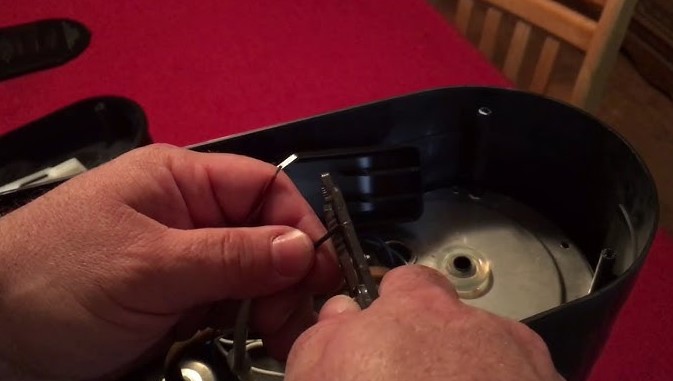
If your coffee maker heating element not working, don’t rush to buy a new machine just yet. Most issues stem from simple problems like mineral buildup, blown thermal fuses, or loose wiring that you can fix at home. Follow our comprehensive guide to safely identify the culprit and restore your morning routine.
There is nothing quite as disappointing as waking up, stumbling to the kitchen, and finding that your coffee maker heating element not working. You press the brew button, you hear the hum of the pump, but the water remains stubbornly cold.
It turns your dream of a steaming mug of Arabica into a cold, watery frustration. By 2026, home appliances have become more efficient, yet they remain subject to the same laws of physics and wear and tear as they always have.
The good news is that when your coffee maker heating element not working, it is rarely a terminal diagnosis. Many people assume the machine is broken beyond repair and head straight to the store. However, with a few basic tools and a bit of patience, you can often save your machine from the landfill. Understanding how the heating element functions is the first step toward reclaiming your caffeine fix.
Key Takeaways
- Safety First: Always unplug your coffee maker and let it cool completely before attempting any diagnostic tests or repairs.
- Mineral Buildup: Hard water deposits are the leading cause of heating failures; regular descaling is essential for longevity.
- Thermal Fuse: A blown thermal fuse is a common safety feature that often trips due to overheating, requiring a simple replacement part.
- Wiring Issues: Internal vibrations over time can loosen connections, which are easy to tighten once the casing is removed.
- Multimeter Usage: Using a multimeter allows you to test for continuity, helping you pinpoint exactly where electrical flow is interrupted.
Understanding the Coffee Maker Heating System
To fix the issue, you need to understand how the system works. Most modern drip coffee makers use a heating element that is integrated into a coiled aluminum tube. This tube sits at the base of the machine. As the water passes through this tube, the element transfers heat, turning the water into hot liquid that rises through the brew head.
The Role of the Thermal Fuse
Inside most machines, there is a small component called a thermal fuse. Think of this as the bodyguard of your coffee maker. If the machine begins to overheat—perhaps because the heating element is running dry or the machine is failing to shut off the thermal fuse will physically blow. This breaks the electrical circuit to prevent a fire. Once this fuse blows, the coffee maker heating element not working becomes the symptom, not the actual cause.
Electrical Continuity and Resistance
Your coffee maker is an electrical circuit. Electricity travels from the wall outlet, through the power cord, to the switch, through the thermal fuse, and finally to the heating element. If any of these components are disconnected or burnt out, the circuit is broken. Testing for continuity using a multimeter is the gold standard for finding the exact break in this loop.
Step-by-Step Troubleshooting for Heating Issues
Before you start unscrewing your machine, perform a few non-invasive checks. Sometimes, the problem is not mechanical but environmental.
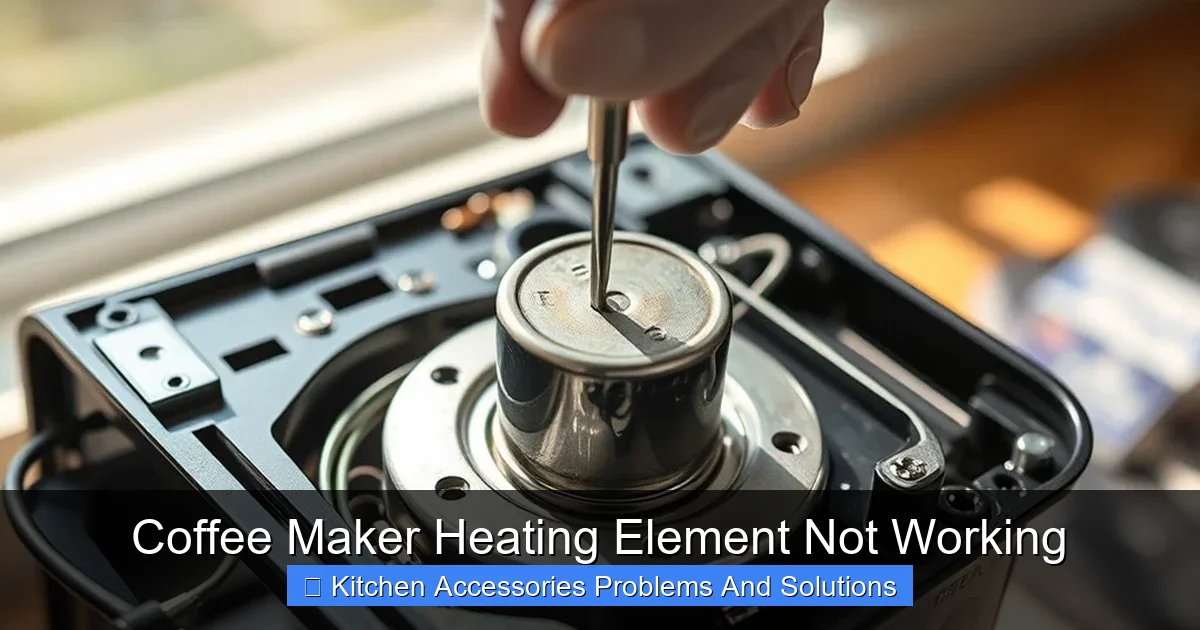
Visual guide about Coffee Maker Heating Element Not Working
Image source: coffeecherish.com
Checking the Power Supply
It sounds simple, but check the wall outlet first. Plug a lamp or another device into that same socket to ensure it has power. If your coffee maker has a digital display that is blank, the issue might be a tripped GFCI outlet in your kitchen. Reset your circuit breakers and verify the plug is pushed firmly into the wall.
Descaling the System
When the coffee maker heating element not working, it might simply be coated in layers of lime scale. Hard water leaves calcium deposits that act as an insulator. If these deposits build up around the heating element, the machine cannot transfer heat effectively to the water. Run a descaling cycle with a mixture of vinegar and water. If you hear sputtering or notice the water flow is restricted, this is almost certainly your problem.
How to Safely Open Your Coffee Maker
If the simple fixes fail, it is time to open the chassis. Please remember: safety is paramount. Always ensure the machine is completely unplugged.
Gathering Your Tools
You will likely need a set of screwdrivers, including Philips and possibly Torx (star-shaped) heads, which are common in 2026 appliance manufacturing. A multimeter is highly recommended to test the heating element’s resistance. Keep a small bowl nearby to hold the tiny screws you remove; they have a habit of disappearing.
Removing the Housing
Most coffee makers have screws hidden under rubber feet or within the bottom reservoir area. Carefully pry up the feet if necessary to expose the screws. Once the screws are removed, the base or the outer shell should lift away. Take a photo of the internal wiring before you touch anything. This will ensure you can reconnect everything correctly once you are finished.
Testing and Replacing the Heating Element
Once the machine is open, you will see the heating element. It usually looks like a thick, coiled metal tube. Use your multimeter to check the continuity across the terminals of the element.
Interpreting Multimeter Readings
Set your multimeter to the Ohms (resistance) setting. Touch the probes to the two terminals of the heating element. If the screen shows a small number (usually between 10 and 100 Ohms), the element is likely healthy. If it shows “OL” or infinity, the heating element itself has burnt out. In this case, replacing the element is often more expensive than a new machine, but the thermal fuse is a different story.
Replacing a Blown Thermal Fuse
If the heating element tests okay, look for the thermal fuse. It is usually a small, cylindrical component wrapped in heat-resistant tubing along one of the wires connected to the heater. If this fuse is blown, it will show no continuity. You can purchase a replacement fuse online for a few dollars. Simply cut out the old one, crimp in the new one, and you are back in business.
Preventative Maintenance for 2026 Coffee Machines
The best repair is the one you never have to make. Modern coffee makers are designed to last, provided they are treated well. Follow these tips to ensure you aren’t dealing with a broken element next year.
The Importance of Regular Descaling
Make descaling a monthly habit. If you live in an area with particularly hard water, do it every three weeks. Use a manufacturer-approved solution or a balanced vinegar-water mix. This prevents mineral buildup from insulating the heating element, which is the primary reason the coffee maker heating element not working for most households.
Monitoring Water Quality
If possible, use filtered water for your coffee. This doesn’t just improve the taste of your brew; it prevents the rapid accumulation of scale inside the heating tubes. By reducing the number of minerals passing through the heating chamber, you significantly extend the lifespan of your appliance.
Avoiding Overwork
Modern machines are efficient, but they still need to rest. If you are brewing multiple pots for a party, allow the machine to cool down for at least 10 minutes between cycles. This allows the thermal fuse to reset and prevents the heating element from running dry, which is a common cause of premature failure.
Conclusion
Dealing with a coffee maker heating element not working can be frustrating, but it is a manageable problem. Whether it is a simple case of mineral buildup that requires a good descaling or a blown thermal fuse that needs a quick replacement, you have the power to fix it.
By maintaining your machine with regular cleaning and being mindful of how you use it, you can keep your coffee maker running for years to come. Remember, the goal of these repairs is to keep your morning routine smooth and sustainable.
If you reach a point where the heating element itself is beyond repair, consider recycling the plastic and metal components of your machine at a local facility. Take pride in your ability to troubleshoot, save money, and keep your kitchen running perfectly. Now, go enjoy that hot, delicious cup of coffee you’ve worked so hard for!
Frequently Asked Questions
Why does my coffee maker stay cold even when the light is on?
If the indicator light is on but the water remains cold, it usually means the heating element has burnt out or the thermal fuse has tripped. You can test these components with a multimeter to see which one has lost electrical continuity.
Is it dangerous to repair a coffee maker myself?
As long as the unit is completely unplugged from the power source, it is generally safe to open and inspect. However, never attempt to perform any electrical testing while the machine is plugged into a wall outlet.
How often should I descale to prevent heating element issues?
You should aim to descale your machine once a month, or more frequently if your tap water is hard. This prevents mineral buildup from forming an insulating layer that forces the heating element to work harder than necessary.
What exactly is a thermal fuse in a coffee maker?
The thermal fuse is a safety device designed to cut power to the heating element if the machine overheats. It acts as a circuit breaker, and once it blows, the machine will not heat up again until the fuse is replaced.
Can I use just any replacement fuse for my coffee maker?
No, you must use a thermal fuse that matches the temperature rating and voltage of the original part. Using the wrong fuse can be a fire hazard, so always check the specifications on the old fuse or your user manual.
What does “OL” mean on my multimeter when testing the element?
“OL” stands for “Open Loop” or “Out of Limits,” which means the electrical path is broken. If you see this while testing your heating element, the element is likely damaged and will require professional repair or a machine replacement.