
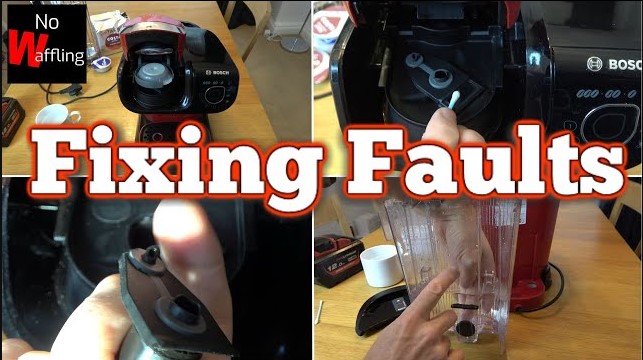
If your Bosch coffee maker is not working, don’t panic – most issues are related to scale buildup or simple connectivity errors. This guide covers step-by-step solutions for common faults, helping you troubleshoot and restore your machine to perfect working order today.
There is nothing quite as disappointing as stumbling into the kitchen on a groggy morning, pressing the button on your machine, and realizing your Bosch coffee maker is not working. Whether you rely on a high-end Tassimo or a built-in integrated Bosch bean-to-cup system, a broken coffee maker feels like a major blow to your daily routine. However, before you look for a replacement or call a repair technician, take a deep breath.
In 2026, Bosch machines remain some of the most reliable appliances on the market. Most of the time, when a Bosch coffee maker is not working, it is merely a signal that the machine needs a little bit of care, a quick cleaning, or a simple sensor reset. We have put together this comprehensive guide to help you identify exactly what is going wrong and how to fix it yourself.
Key Takeaways
- Routine Descaling: Most Bosch coffee maker not working issues stem from mineral deposits; regular descaling is the #1 preventative fix.
- Power Check: Always verify the plug, outlet, and drip tray sensor before assuming a mechanical failure.
- Water Flow: Blocked internal hoses or clogged filters often cause the machine to stall mid-brew.
- Safety Sensors: Your Bosch machine will not start if the door, water tank, or waste container is not perfectly seated.
- Professional Reset: Simple software glitches can often be resolved by disconnecting the power for ten minutes.
Understanding Why Your Bosch Coffee Maker Is Not Working
It is easy to assume the worst when an expensive appliance stops functioning. You might worry that the pump is burnt out or the heating element has failed. While these things can happen, they are rarely the first culprit.
Bosch engineers build these machines with clever safety systems that prevent operation if certain conditions are not met. If your Bosch coffee maker is not working, it is often a protective feature doing exactly what it was designed to do.
Checking the Basics First
Before diving into internal components, let’s look at the external environment. Is the machine plugged in securely? It sounds obvious, but a loose plug is a common culprit. Check your circuit breaker or GFCI outlet as well.
Sometimes, if there has been a power surge, the outlet may have tripped. If the machine has no lights at all, try plugging a different appliance into the same socket to confirm there is power.
Sensor Alignment and Safety Features
Bosch coffee makers are packed with micro-sensors. These sensors ensure that the brew unit, the water tank, and the coffee grounds container are all in the correct position. If even one of these components is slightly misaligned, the machine will refuse to start.
Take a moment to pull out the water tank, remove the drip tray, and slide the brew unit out (if accessible) and then click them back into place firmly. You should hear a satisfying click that confirms the safety sensors are engaged.
Dealing with Flow and Pressure Issues
If your machine turns on and makes the initial noise of starting a brew but then stops, you are likely dealing with a flow issue. When a Bosch coffee maker is not working due to water flow problems, it almost always points to a blockage in the lines or the filter.
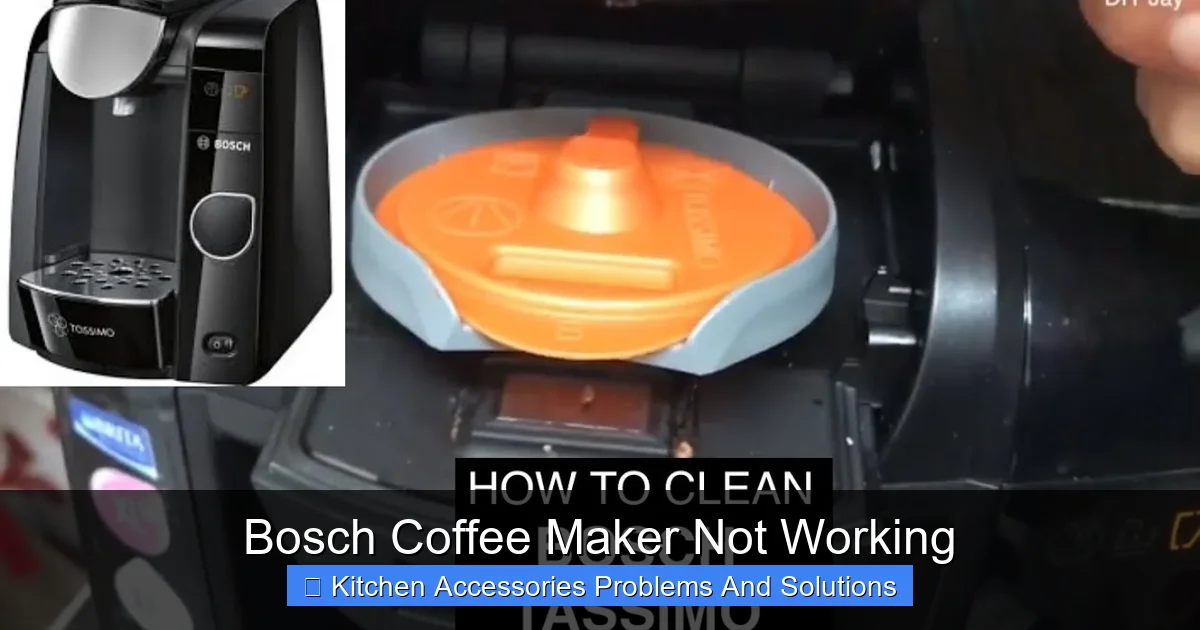
Visual guide about Bosch Coffee Maker Not Working
Image source: i.ytimg.com
The Menace of Limescale
Hard water is the enemy of every coffee lover. Over time, calcium and magnesium deposits build up inside the tiny tubes of your coffee machine. This creates a bottleneck that prevents water from reaching the brewing chamber.
If your machine is taking longer than usual to brew, or if it is making a strained, groaning sound, it is time for a deep descaling. Use an official Bosch descaling tablet or a manufacturer-approved liquid descaler. Avoid vinegar, as it can be too harsh for the sensitive seals inside your machine.
Clogged Nozzles and Filters
Sometimes the blockage isn’t in the pipes, but right at the exit point. Take a look at the coffee spout. If you see brown residue or hardened oils, your machine is going to struggle. Use a paperclip or a thin needle to carefully clear any debris from the outlet holes. If your machine uses a water filter inside the tank, remove it and try brewing a cup without it. If the water flows perfectly, you know your filter was the problem and simply needs to be replaced.
Troubleshooting Electrical and Software Glitches
Modern coffee makers are essentially small computers. Just like your laptop or smartphone, they can encounter software errors that cause them to freeze or behave erratically. If your screen is showing a mysterious error code, or if the lights are blinking in a pattern you don’t recognize, a system reset might be the answer.
The Ten-Minute Power Reset
This is the “golden trick” for many appliance problems. Unplug your Bosch coffee maker from the wall. Now, leave it unplugged for at least ten to fifteen minutes. This allows the internal capacitors to discharge completely and clears the temporary memory of the machine’s control board. Once you plug it back in, the machine will often initiate a self-calibration cycle, which can resolve minor software bugs.
Reading Error Codes
If your Bosch coffee maker is not working and displays a specific error code on the digital screen, don’t ignore it. Check your user manual or the official Bosch online portal for the meaning of that code. Common codes often relate to “empty system” errors, “missing brew unit” warnings, or “heater timeout.” Knowing the code saves hours of guessing.
Bean-to-Cup Specific Problems
If you own an automatic espresso machine, the grinder is a major point of failure. If your Bosch coffee maker is not working because the grinder sounds like it is struggling, or if it refuses to drop grounds, you need to investigate the hopper and the brewing chamber.
Overfilled or Stuck Grinder
Sometimes, beans can get stuck in the grinder mechanism, especially if they are particularly oily or if a rock/piece of debris made its way into the hopper. If you hear the motor whirring but no coffee comes out, turn the machine off immediately. Try to clear the hopper and vacuum out any loose grounds. If you have the ability to adjust the grind size, try setting it to a coarser level to see if it allows the mechanism to move freely again.
Brew Unit Maintenance
The brew unit is the heart of the machine. It needs to be cleaned regularly. If it becomes clogged with old coffee oils, it can seize up. Pull the brew unit out and rinse it under warm water. Let it dry completely before reinserting it. If the unit feels stiff, it may need a light application of food-grade silicone grease, which is available in most kitchen maintenance kits.
When to Call a Professional?
While DIY solutions are great, there are limits. If you have tried all the steps above and your Bosch coffee maker is not working, it might be time to call a professional technician. Internal pump failure, damaged heating elements, or motherboard malfunctions are not safe to attempt to fix unless you are a qualified electrician.
Warranty Considerations
Before you open the casing or take the machine apart, check your warranty status. Bosch generally offers a solid warranty, but many of these are voided if the appliance has been tampered with or opened by an unauthorized person. Always try the official support channels first. They can walk you through advanced diagnostic modes that are not available in the standard user manual.
Environmental and Usage Tips
Once you get your machine working again, focus on prevention. Always use filtered water if you live in a hard-water area. Wipe down the drip tray and waste container daily. These simple habits significantly extend the lifespan of your appliance and prevent the “Bosch coffee maker not working” headache from happening again. Treat your machine like a precision tool, and it will continue to provide excellent coffee for years to come.
Conclusion
Dealing with a machine that refuses to perform its one job is frustrating, but stay positive. The vast majority of people who search for why their Bosch coffee maker is not working find that the solution is something as simple as descaling the unit, realigning the water tank, or giving the machine a short power reset.
By following these steps and keeping up with regular maintenance, you ensure that your appliance remains a reliable part of your morning routine. Remember, your coffee maker is designed to serve you, and with a little bit of troubleshooting, it will be back to brewing your favorite cup in no time.
Frequently Asked Questions
Why is my Bosch coffee maker light blinking?
A blinking light usually indicates a system error or a reminder that the machine needs maintenance. Check your manual for the specific blinking pattern, as it often signifies the need for descaling or that a component like the water tank needs to be reseated.
How often should I descale my Bosch machine?
You should descale your machine every 1-3 months, depending on the hardness of your local water supply. If you use a water filter, you can usually extend this interval, but never skip it entirely.
Can I use vinegar to clean my Bosch coffee maker?
It is generally not recommended to use vinegar as it is highly acidic and can damage the internal seals and plastic components. Always use a Bosch-approved descaling solution to ensure the longevity of your machine.
What if the water isn’t pumping?
If the pump is running but no water flows, you likely have an airlock in the system or a severe clog. Try running a hot water cycle or, if the machine allows, prime the pump by removing and replacing the water tank while the machine is on.
Why does my coffee taste weak even after cleaning?
Weak coffee is often caused by an incorrect grind setting or using old beans. Ensure your grind is set to a fine setting for espresso and verify that the bean hopper isn’t empty or jammed with oily bean residue.
Are Bosch coffee maker parts easy to replace?
Yes, most parts like the water tank, drip tray, and brew unit are modular and easily removable for cleaning or replacement. You can order genuine parts directly from the official Bosch website or authorized retailers.