
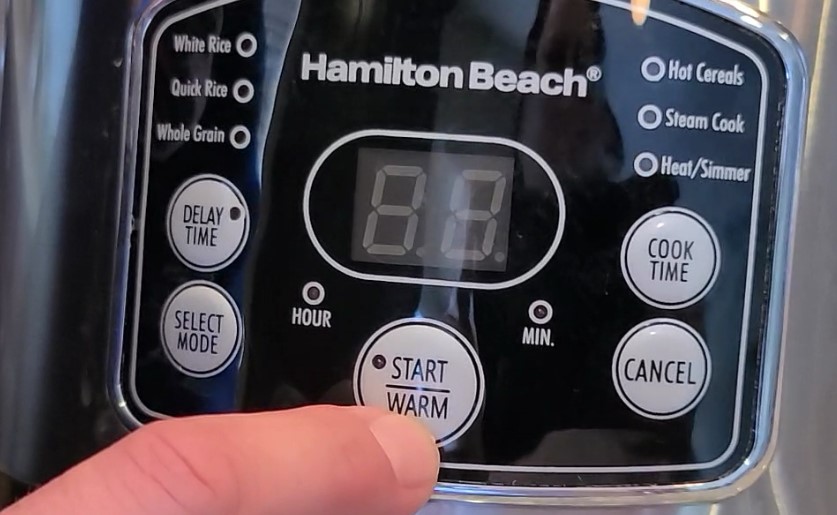
If your Hamilton Beach rice cooker is not working, don’t panic; most issues stem from simple power connection faults, sensor glitches, or improper assembly. This guide covers essential troubleshooting steps to safely diagnose and repair your device, ensuring you get back to perfectly cooked rice in no time.
Key Takeaways
- Power Source Check: Always verify that the cord is fully seated and the outlet is functional before assuming a major hardware failure.
- The Thermal Fuse: A common reason for a Hamilton Beach rice cooker not working is a tripped thermal fuse, which acts as a safety barrier against overheating.
- Cleanliness Matters: Food debris or dried starch on the base plate can block the temperature sensor, causing the unit to shut off prematurely.
- Lid Placement: Many models feature pressure sensors; if the lid isn’t locked or sealed, the cooker will refuse to start for safety reasons.
- Water-to-Rice Ratio: Incorrect measurements can trigger safety sensors, making it appear that your Hamilton Beach rice cooker is not working when it is simply protecting itself.
- Repair vs. Replace: While minor cord or switch issues are easy DIY fixes, internal circuit board failures often signal that a replacement is the safer, more cost-effective option.
Understanding Your Rice Cooker Woes
There is nothing quite as frustrating as coming home hungry, ready to enjoy a bowl of fluffy, warm rice, only to discover that your Hamilton Beach rice cooker is not working. Whether the lights aren’t turning on or the unit won’t start the cooking cycle, it can feel like a major kitchen catastrophe. In 2026, we rely heavily on our kitchen gadgets, and when they stop cooperating, it disrupts our entire meal prep rhythm.
The good news is that most issues are not permanent. Because these appliances use relatively simple technology, you can often solve the problem in just a few minutes. Whether it is a loose plug or a bit of dried rice stuck in the sensor, we are going to walk through the common reasons why your Hamilton Beach rice cooker is not working and how you can get it back to its best state.
Common Power Supply Issues
Visual guide about Hamilton Beach Rice Cooker Not Working
Image source: i.ytimg.com
Before diving into the internal components, we have to address the most frequent culprit: power delivery. Many users assume their appliance is broken when, in reality, it just isn’t getting the electricity it needs. Start by checking the basics. It sounds simple, but you would be surprised how often a loose cable is the reason for a Hamilton Beach rice cooker not working.
Checking the Power Cord and Outlet
First, ensure that the detachable power cord is pushed firmly into the base of the cooker. Over time, these cords can become slightly wiggled loose during cleaning or moving the unit. Additionally, test the outlet with another small appliance, like a lamp or a phone charger, to make sure the circuit breaker hasn’t tripped. If the outlet is fine, inspect the cord itself for any signs of fraying or damage.
The Role of GFCI Outlets
If you are plugging your rice cooker into a kitchen outlet near the sink, it is likely connected to a GFCI (Ground Fault Circuit Interrupter) outlet. If that outlet has tripped, your cooker will not receive any power. Look for the small “Reset” button on the outlet and press it. If you hear a click and your cooker suddenly lights up, you have solved the mystery of why your Hamilton Beach rice cooker is not working.
Addressing Sensor and Lid Problems
Modern Hamilton Beach models are equipped with safety sensors designed to prevent accidents. These sensors are helpful, but they can be a bit “picky” if they aren’t positioned exactly right. If the unit detects that the lid is not secured properly, it will simply refuse to activate the heating element.
The Importance of Lid Alignment
If you have a digital model, check the display for an error code or blinking light. Usually, this indicates that the lid sensor is not making contact. Take a moment to wipe the rim of the inner pot and the base of the lid. Even a thin layer of starch or a tiny bit of dried food can prevent a perfect seal. Once clean, lock the lid back into place and listen for the satisfying click that tells you the safety sensor is engaged.
Cleaning the Bottom Sensor
At the center of your cooker’s heating plate, you will find a spring-loaded button. This is the temperature sensor. If this button gets stuck in the down position or is covered in burnt food particles, the machine will think the pot is already hot. This is a very common reason for a Hamilton Beach rice cooker not working. Use a damp cloth to gently clean the plate and ensure the center button moves up and down freely.
Troubleshooting Heating Element Failures
If the lights are on but the water isn’t boiling, you are dealing with a heating element issue. This is usually due to the internal thermal fuse. This fuse is a sacrificial component designed to blow if the unit gets too hot, protecting your home from fire hazards.
Identifying a Blown Thermal Fuse
When a thermal fuse blows, the circuit is broken, and no electricity can reach the heating element. Unfortunately, this is a part that generally needs to be replaced rather than reset. If you are handy with a screwdriver and know how to use a multimeter, you can check the continuity of the fuse. If there is no continuity, the fuse is dead.
When to Call a Professional
If you aren’t comfortable opening up the base of your appliance, it is best to consult the manufacturer’s manual or reach out to a professional repair service. Because electricity and water are involved, safety should always be your top priority. If your Hamilton Beach rice cooker is not working due to an internal heating failure and it is still under warranty, reach out to their customer support team before trying any DIY repairs.
Cooking Errors and Safety Shut-offs
Sometimes, the appliance is working perfectly fine, but it has entered a “protection mode” because of how it was used. If you accidentally used too little water, the temperature inside the pot can skyrocket very quickly. The cooker will detect this rapid rise and shut itself off to prevent the rice from burning or the pot from warping.
Proper Water-to-Rice Ratios
Always follow the specific water-to-rice ratios provided in your Hamilton Beach manual. Using the wrong amount of liquid is the most common “user error” that leads people to think their Hamilton Beach rice cooker is not working. If the rice comes out crunchy or the unit turns off prematurely, try adding a splash more water next time to allow the sensor to complete the full cycle.
Dealing with Burnt Residue
If you have had a “boil-over” event where starch water has leaked into the base of the unit, it can interfere with the internal electronics. If this has happened, unplug the unit immediately and let it dry out completely for at least 24 hours. Placing it in a warm, dry area can help. Never attempt to use the unit while there is moisture inside the housing.
Maintenance Tips for Longevity
To ensure you don’t have to search for “Hamilton Beach rice cooker not working” ever again, regular maintenance is key. A clean cooker is a happy, functional cooker.
Regular Cleaning Routines
After every use, wash the inner pot with mild soap and a non-abrasive sponge. Avoid using metal utensils, as these can scratch the non-stick coating. If the coating is damaged, food will stick to the bottom, which leads to overheating and potential sensor issues.
Exterior Care
Wipe down the exterior of the cooker with a soft, damp cloth after it has cooled completely. Keep the vents clear of dust and ensure that the cord storage area is free of debris. By treating your appliance with care, you significantly reduce the risk of future malfunctions.
Conclusion
It is incredibly frustrating when your Hamilton Beach rice cooker is not working, but as we have seen, the problem is often easily fixed. By systematically checking your power connections, cleaning the internal sensors, ensuring the lid is properly seated, and using the correct amount of water, you can resolve the vast majority of issues at home.
Remember, your rice cooker is a tool that requires a little bit of maintenance to perform at its best. If you find that the unit is truly beyond a simple fix, don’t feel discouraged. Technology has its limits, and sometimes it is safer to replace a malfunctioning unit than to risk an electrical hazard. With these tips in your back pocket, you are now well-equipped to handle any rice cooker challenge that comes your way!
Frequently Asked Questions
Why is my Hamilton Beach rice cooker not turning on at all?
Check the power cord connection and ensure the outlet is functional by testing it with another appliance. If the unit remains unresponsive, check your home circuit breaker or the GFCI outlet reset button.
What does it mean if my rice cooker lights are on, but it won’t cook?
This usually indicates that the internal temperature sensor is dirty or the lid is not fully engaged. Clean the central sensor plate and ensure the lid is locked in the correct position for the cooking cycle to begin.
Is it safe to repair a rice cooker myself?
Basic troubleshooting like cleaning sensors or checking external cords is safe. However, opening the base to tamper with internal fuses or circuit boards should only be done if you have electrical experience and the unit is out of warranty.
Can a dirty rice cooker cause it to stop working?
Yes, dried starch or food debris on the bottom heating plate can insulate the sensor, causing it to trigger a premature shut-off. Keeping the base plate clean is essential for proper heat regulation.
Why did my rice cooker shut off after only a few minutes?
This often happens if there is insufficient water in the pot, causing the temperature to rise too fast. The safety sensor shuts the unit down to prevent burning or damage to the inner pot.
How do I know if the thermal fuse is blown?
If the unit has no power despite being plugged in and the outlet is working, the thermal fuse may be blown. You can confirm this using a multimeter to test for electrical continuity across the fuse.