
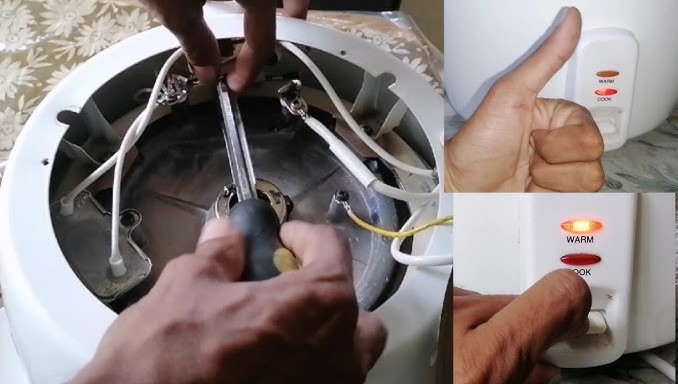
When your rice cooker keep warm not working, it is often due to minor sensor errors, debris, or simple electrical connectivity issues. By checking the internal thermostat, cleaning the sensor plate, and ensuring the lid seal is tight, you can quickly restore your appliance to full functionality.
There is nothing quite as satisfying as a bowl of perfectly fluffy, warm rice after a long day. We have all been there: you finish cooking, get busy with other kitchen tasks, and come back expecting a hot second helping, only to find the rice cold and dry. If you have ever wondered why your rice cooker keep warm not working, you are certainly not alone.
It is one of the most common complaints for home cooks in 2026, but it is rarely a sign that you need a brand-new appliance. Most modern rice cookers are designed to be workhorses, but they rely on delicate sensors to maintain that perfect serving temperature.
When that rhythm is disrupted, it can feel like a major kitchen catastrophe. Before you head to the store to replace your trusty device, let us walk through the most common reasons your rice cooker keep warm not working. You will be surprised at how often a simple cleaning or a minor adjustment is all it takes to get things back to normal.
Key Takeaways
- Check Power Connections: Ensure the power cord is securely plugged in, as intermittent power can cause the keep warm function to fail.
- Clean the Sensor: Food debris or dried rice on the bottom sensor plate often tricks the cooker into thinking the rice is already at the wrong temperature.
- Seal the Lid: If the keep warm function is not working, a loose lid seal might be allowing heat to escape, causing the unit to shut off prematurely.
- The Thermal Fuse: Many models feature a thermal fuse that blows if the unit overheats; replacing this inexpensive part can bring your cooker back to life.
- Moisture Management: Condensation buildup inside the unit can short-circuit the keep warm logic board, so keep the internal cavity dry.
- Use the Right Amount of Rice: Cooking too little rice can cause the sensor to misread the internal temperature, leading to a failure in the keep warm cycle.
Understanding the Keep Warm Mechanism
To fix the issue, you have to understand how the feature actually works. A rice cooker does not just stay hot; it uses a thermostat to toggle between cooking and holding temperatures. The “keep warm” mode is designed to hold rice between 140 and 160 degrees Fahrenheit. This range is high enough to keep bacteria at bay but low enough to prevent the rice from burning or turning into a crusty, inedible mess.
The Role of the Thermal Sensor
At the heart of the keep warm function is the thermal sensor located at the center of the heating plate. When the moisture in the pot evaporates, the temperature of the pot bottom rises sharply. The sensor detects this change, clicks the cooker into the warm setting, and keeps it there. If your rice cooker keep warm not working, it usually means the sensor is either blocked, dirty, or misreading the environmental temperature inside the pot.
The Importance of Lid Integrity
Your rice cooker is a closed system. The seal around the lid is not just there to trap steam during the boil; it is essential for the keep warm function. If the gasket is damaged or if the lid does not latch properly, heat escapes into your kitchen instead of staying in the pot. The sensor detects this drop in heat and may try to compensate by cycling off to prevent overheating, leaving you with cold rice.
Common Reasons Your Rice Cooker Keep Warm Not Working
Sometimes, the simplest explanations are the correct ones. Before you start taking your appliance apart, look at how you are using it. Small habits can have big impacts on how your machine performs over time.
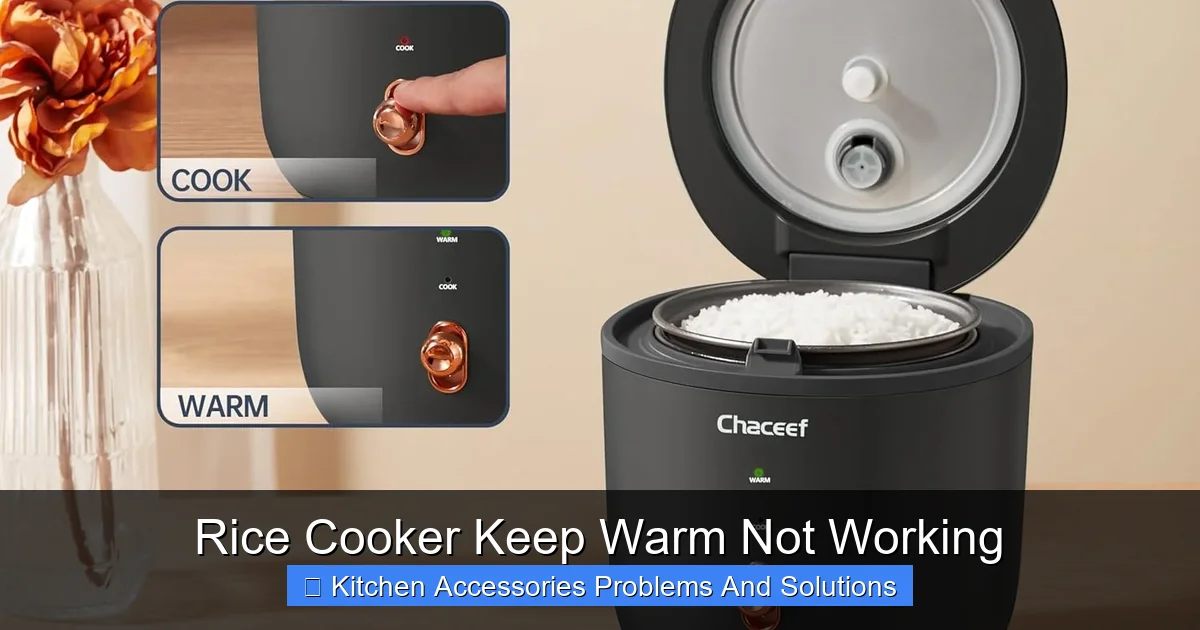
Visual guide about Rice Cooker Keep Warm Not Working
Image source: m.media-amazon.com
Food Debris and Buildup
The most common culprit for a rice cooker keep warm not working is a dirty sensor plate. Over time, starches can drip down, burn onto the central sensor, and create a layer of insulation. This layer makes it impossible for the sensor to get an accurate temperature reading. Take a soft, damp cloth and gently wipe the center sensor plate. Do not use abrasive scrubbers, as these can scratch the surface and permanently damage the sensor.
Issues with Power Supply
In 2026, many of us use smart power strips or timers to manage our kitchen appliances. If your rice cooker is plugged into a power strip that shuts down during high-load periods, your rice cooker keep warm not working might simply be a result of the power cutting out. Ensure your device is plugged directly into a wall outlet to rule out any issues with voltage drops or faulty extension cords.
Internal Moisture Problems
Steam is the secret to great rice, but it is the enemy of electronics. If you have recently cleaned your rice cooker and did not dry the internal housing thoroughly, you might have moisture touching the circuit board.
Even a tiny amount of water can cause the control board to glitch. If you suspect moisture, unplug the unit and let it sit in a dry, ventilated area for 24 hours to ensure all internal components are bone dry.
Troubleshooting the Electronics
If cleaning and checking the power have not solved the problem, you might be looking at an electrical component failure. While this sounds scary, many rice cookers are quite modular, meaning parts can be replaced with a little patience and a screwdriver.
The Thermal Fuse
If your cooker goes totally dead or stops holding heat entirely, you might have a blown thermal fuse. This is a safety device designed to break the circuit if the unit gets too hot. Replacing a thermal fuse is a common repair for DIY-minded individuals. You can often find a replacement part online that matches your specific model number. Always remember to unplug the device first!
Faulty Thermostat
The thermostat is the “brain” that tells the heater to turn on when the pot cools down. If the thermostat is failing, it may stop sending the “keep warm” signal. This is harder to diagnose without a multimeter, but if you enjoy tinkering, you can test for continuity in the thermostat circuit. If there is no continuity when the unit is at room temperature, it is likely time for a new thermostat part.
Maintenance Tips to Keep Your Rice Warm
Prevention is always easier than the cure. By adopting a few simple maintenance habits, you can stop your rice cooker keep warm not working before it even starts. Your appliance will last longer, and your meals will be better for it.
Routine Cleaning
Make it a habit to wipe down the inside of your rice cooker after every use. Do not just clean the removable pot; take a moment to wipe the lid, the steam vent, and the bottom plate. If you see sugar or starch buildup, remove it immediately. The cleaner the sensor, the more accurate the keep warm function will remain.
Proper Storage
When you store your rice cooker, avoid putting it in a damp cabinet or right next to the stove where it can collect grease. Grease and grime are notorious for clogging the ventilation slots on the base of the unit. Without proper airflow, the internal electronics will overheat, which often leads to the keep warm feature failing prematurely.
Don’t Overload the Cooker
Every rice cooker has a maximum and minimum capacity. If you try to cook a tiny amount of rice in a massive cooker, the sensor often cannot gauge the temperature correctly. Similarly, stuffing the pot to the brim can lead to boil-overs that damage the lid sensor. Stick to the manufacturer’s suggested capacity to keep the delicate internal balance of the cooker intact.
When to Consider a Replacement?
We all love to repair our belongings, but sometimes the cost of parts and the time required simply outweighs the value of the unit. If your rice cooker is over ten years old, or if you have already tried replacing the fuse and cleaning the sensors with no success, it might be time to move on.
In 2026, rice cookers have become incredibly advanced. Newer models feature fuzzy logic, which uses microchips to adjust heat automatically during the cooking cycle. If you decide to upgrade, look for models with detachable inner lids, as these are much easier to keep clean and prevent the very issues you are experiencing now.
Conclusion
Dealing with a rice cooker keep warm not working is frustrating, but it is almost always fixable. Whether it is a bit of dried rice on the sensor or a simple issue with your power source, most problems are just minor hurdles. By taking the time to clean your device, check your lid seals, and ensure your electrical connections are sound, you can restore your kitchen to its rightful state of order.
Remember that your rice cooker is a partner in your daily routine. Treat it with a little care, wipe it down after use, and it will keep providing you with warm, delicious rice for years to come. If you do reach a point where you need to get a new one, consider it an opportunity to upgrade to a model that fits your growing cooking skills even better. Happy cooking!
Frequently Asked Questions
Why does my rice turn cold even when the keep warm light is on?
This usually happens because the heating element is not receiving enough power or the thermostat is failing to register the temperature drop. Check your power cable and ensure the internal sensor plate is free of any burnt starch or debris.
Can a damaged lid seal cause the keep warm function to fail?
Yes, a loose or damaged lid seal allows heat to escape the unit prematurely. When the appliance cannot maintain the required internal temperature, the internal logic board may shut off the warming function to prevent damage.
Is it safe to keep rice in the cooker for a long time?
It is generally recommended to keep rice for no more than 12 hours on the keep warm setting to prevent bacterial growth and drying. If your keep warm function is working correctly, it should maintain a safe temperature, but freshness degrades after a few hours.
How do I clean the sensor plate safely?
Use a soft, slightly damp microfiber cloth to gently wipe the center sensor plate at the bottom of the cooker. Avoid using harsh chemicals, scouring pads, or excessive water, as these can damage the sensor components.
What does it mean if my rice cooker shuts off immediately after cooking?
If the cooker switches to “warm” before the rice is fully cooked, the sensor is likely misreading the internal moisture levels. Ensure you are using the correct water-to-rice ratio and that your inner pot is clean and dry on the outside before placing it in the unit.
Are thermal fuses replaceable in most rice cookers?
Many models do feature a replaceable thermal fuse, which is a very affordable part. If you have basic DIY skills, you can often find a guide for your specific model online to perform this repair safely.