
If your Tiger rice cooker is not working, start by checking the power supply and cleaning the sensors. Most common issues are solved by simply resetting the unit or ensuring the inner pot is seated correctly.
There is nothing quite as frustrating as coming home hungry, ready to enjoy a bowl of perfectly steamed rice, only to find your Tiger rice cooker not working. Whether the display is blank, the rice is undercooked, or an alarming error code is flashing, it can feel like a major kitchen catastrophe.
In 2026, we rely heavily on our smart kitchen gadgets, and a malfunctioning appliance can throw your whole dinner plan into chaos. The good news is that in most cases, a Tiger rice cooker not working is a simple fix that you can handle at home. Tiger appliances are known for their durability and Japanese engineering precision, meaning they are built to last.
Often, the problem stems from something as minor as a bit of dried starch on a sensor or a loose plug. Let’s walk through the troubleshooting steps together so you can get back to cooking delicious meals.
Key Takeaways
- Power Check: Always verify that the power cord is securely plugged in and the outlet is functional before assuming a mechanical failure.
- Sensor Maintenance: Food debris or moisture near the thermal sensor is the leading cause of uneven cooking and error codes.
- Pot Seating: An improperly seated inner pot will prevent the cooker from starting or cause it to shut down prematurely.
- Error Codes: Modern Tiger models display specific codes that point directly to the problem, such as sensor malfunctions or overheating.
- Safety First: Never attempt to open the base unit or repair internal wiring if you are not a trained professional, as this voids your warranty.
- Preventative Care: Regular cleaning of the lid gasket and steam vent keeps your cooker running efficiently for years.
Troubleshooting Power and Electrical Issues
When you press the start button and nothing happens, the most logical place to begin is the power supply. It sounds basic, but you would be surprised how many service calls are resolved just by checking a loose cable.
Check the Power Cord and Outlet
First, inspect the detachable power cord on your Tiger rice cooker. These cords are designed to be removable for storage, but they can sometimes wiggle loose. Push the plug firmly into the port on the side or back of the cooker until you feel a solid click.
If the cord feels loose or looks damaged, it might be time for a replacement. Additionally, try plugging another appliance into the same outlet to ensure the power source itself is live. If the outlet is dead, you might have tripped a circuit breaker in your home.
Understanding Power Cycles
Sometimes the internal computer of the rice cooker just needs a “reboot.” If your Tiger rice cooker is not working and the screen is frozen, unplug the unit from the wall. Leave it disconnected for about 30 to 60 seconds. This allows the capacitors to drain and the internal memory to clear. Plug it back in and see if the display lights up. This simple hard reset solves a surprising number of digital glitches.
Addressing Cooking Performance Problems
If your cooker turns on but the results are disappointing, the issue usually lies in how the appliance interacts with the rice and water. Consistency is key when dealing with premium rice cookers.

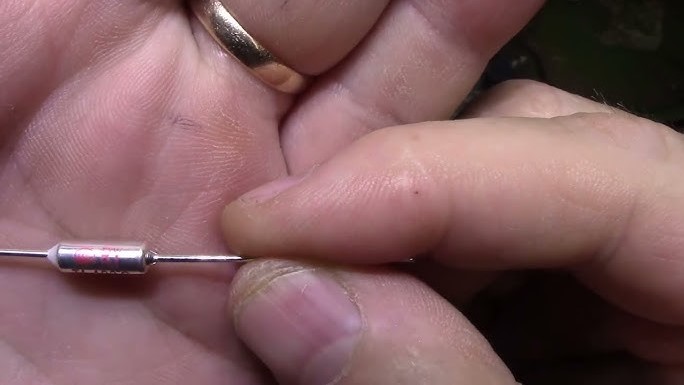
Visual guide about Tiger Rice Cooker Not Working
Image source: readytodiy.com
Improperly Seated Inner Pot
The heating element at the bottom of your Tiger rice cooker relies on direct, flush contact with the inner pot. If you have any rice grains, debris, or a spill on the heating plate, the pot will not sit flat. This creates a gap that the sensors interpret as an overheating risk. Always wipe the heating plate and the bottom of the pot clean before every use. If the pot wobbles, it is not making the right connection to cook properly.
The Importance of Water Ratios
We often blame the machine when the problem is actually the math. Tiger cookers are incredibly precise. If you are used to cooking by “feel” or estimation, the internal sensors might get confused.
If the rice is coming out hard or mushy, check the water lines inside the inner pot again. Ensure the pot is on a level surface. A tilted rice cooker can lead to uneven heat distribution, resulting in one side of the pot being mushy and the other being crunchy.
Navigating Error Codes and Digital Displays
If you see a strange combination of numbers and letters on your screen, don’t panic. These are not signs that your Tiger rice cooker is not working permanently; they are messages from the appliance’s diagnostic system.
Common Error Codes
Most Tiger models will display codes like E01, E02, or H01. Typically, these relate to sensor interruptions. An E01 code often indicates an open circuit in the temperature sensor. If you see this, check for moisture inside the base unit. If you recently washed the unit and water got into the bottom, let it air dry completely for 24 hours. If the code persists after drying, the sensor may be faulty and will need professional repair.
Overheating Protections
If the cooker shuts off mid-cycle, it might be triggering a safety shutoff. This happens if the cooker detects an abnormally high temperature. Did you accidentally turn it on without water? Or perhaps you are using a non-standard inner pot? Always use the original Tiger inner pot, as it is calibrated to the specific heat density of the cooker’s heating element. Using a third-party pot can lead to performance errors.
Maintaining the Lid and Steam Vent
The steam mechanism is the “breathing” system of your rice cooker. If this is clogged, pressure builds up incorrectly, and the cooker will prevent itself from operating to avoid a safety hazard.
Cleaning the Steam Cap
On top of your Tiger rice cooker is a steam cap. This vent releases excess moisture. If starch builds up inside this cap, steam cannot escape properly. Take the cap apart according to your manual and wash it with warm, soapy water. Use a soft brush to clear any dried residue. A clean vent ensures that the pressure inside the cooker is regulated, which is vital for the fuzzy logic sensors to calculate the cooking time.
Gasket Care
The rubber gasket around the lid is what seals the heat inside. If this gasket is cracked, dirty, or misaligned, heat escapes. This causes the cooker to work much harder than it should. Inspect the seal for any debris. If it looks dry or cracked, it might be time to order a replacement gasket. A good seal is the secret to fluffy, restaurant-quality rice.
Professional Repair vs. DIY
You might be wondering: “Should I open this up myself?” When your Tiger rice cooker is not working, it is tempting to unscrew the base and take a look inside. However, we strongly advise against this unless you have experience with electronics.
When to Call for Help
If you have tried the hard reset, cleaned all sensors, and ensured the pot is properly seated, and you still have a blank screen or a persistent error code, it is time for professional help. Tiger provides excellent customer support and service centers.
Attempting to repair a power board or a thermal fuse on your own is dangerous and will immediately void your warranty. It is always better to pay for a professional repair than to risk a fire hazard or destroy the unit entirely.
The Warranty Factor
Before you do anything drastic, check your purchase date. Many Tiger models come with a solid warranty period. If your cooker is still under warranty, reach out to the manufacturer or the retailer. They can often provide a replacement unit or a free repair if the issue is a factory defect. Keep your receipt and original packaging if possible, as it makes the return process much smoother.
Preventative Tips for Long-Term Use
To avoid dealing with a Tiger rice cooker not working in the future, follow these simple habits. Treat your rice cooker with the same care as a high-end camera or laptop.
The “Never Soak” Rule
Never soak the inner pot inside the cooker base, and never leave the cooker base in standing water. Water is the enemy of the circuit boards inside. Always wipe the exterior with a damp cloth rather than spraying it with water. Similarly, make sure the outside of your inner pot is completely dry before placing it back into the base unit.
Rotation and Cleaning
After each use, leave the lid open for a short time to allow internal moisture to evaporate. This prevents mold and keeps the sensors clean. If you use your cooker daily, perform a deep clean of the inner lid and steam vent once a week. These small efforts will significantly extend the life of your appliance.
In conclusion, a Tiger rice cooker not working is usually a solvable puzzle. By following these steps checking the power, cleaning the sensors, inspecting the steam vent, and ensuring your pot is seated you can likely resolve the issue within minutes.
Your kitchen is the heart of your home, and with these maintenance tips, your rice cooker will continue to provide warm, delicious meals for years to come. If you stay consistent with your cleaning and care, you will find that these appliances are incredibly reliable partners in the kitchen.
Frequently Asked Questions
Why is my Tiger rice cooker screen blank?
A blank screen usually indicates a power interruption. Ensure the cord is pushed in firmly on both ends and try a different wall outlet to rule out a localized power issue.
What does an E01 error code mean?
An E01 code typically signals a sensor fault, often caused by moisture or debris inside the base. Let the unit dry out completely for 24 hours and clean the heating plate before restarting.
Can I use a different inner pot if mine is scratched?
No, you should only use the original Tiger inner pot designed for your specific model. Using the wrong pot will cause sensor errors and uneven cooking due to thermal differences.
How often should I clean the steam vent?
You should clean the steam vent after every use or at least once a week if you use the cooker daily. Starch buildup can clog the vent and affect the cooker’s internal pressure sensors.
Is it safe to wash the main body of the cooker?
Never submerge the main body in water or put it under a running faucet. Use a damp cloth to wipe the exterior, as water can damage the internal electrical components.
Why is my rice coming out crunchy?
This is usually due to improper water-to-rice ratios or an improperly seated pot. Ensure you are using the measuring cup provided and that the inner pot is wiped clean on the bottom before starting.