
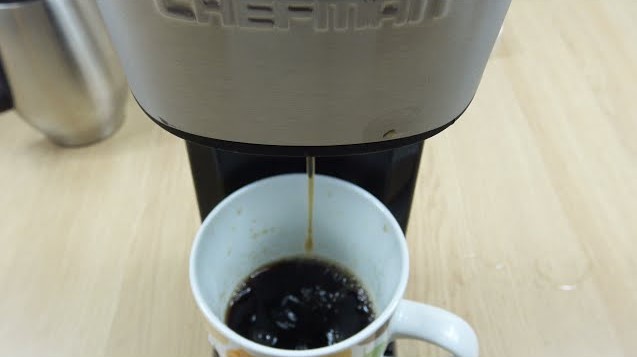
If your Chefman single serve coffee maker is not working, don’t panic! Most issues are caused by mineral buildup, improper pod placement, or minor electrical hiccups that you can fix at home. Follow this guide to troubleshoot your machine and get back to enjoying your morning brew in just a few minutes.
There is nothing quite as frustrating as waking up, craving that first hot cup of coffee, and realizing your Chefman single serve coffee maker is not working. Whether the machine is refusing to start, the water isn’t flowing, or your coffee comes out lukewarm, it can feel like your morning routine has come to a screeching halt.
As we navigate 2026, many of us rely on these convenient gadgets to power our day, so when they fail, it becomes a top priority to fix them fast. The good news is that these appliances are relatively simple in their construction.
Because they lack the complex mechanical parts of high-end espresso machines, most errors are user-correctable. Before you think about throwing your machine away or spending money on a replacement, let’s walk through the common reasons why your Chefman single serve coffee maker is not working and how you can get it back in action today.
Key Takeaways
- Mineral Buildup: Most problems with your Chefman machine are caused by hard water deposits inside the internal tubing.
- Pod Alignment: Ensure your coffee pod is seated correctly; a misaligned pod can prevent the needle from piercing the lid properly.
- Descaling is Essential: Regular descaling every 3 months is the best way to keep your coffee maker running smoothly in 2026.
- Power Cycles: Sometimes, unplugging the device for 60 seconds is all it takes to reset the internal sensors.
- Water Flow Issues: If no water is flowing, check the reservoir seating and ensure the filter is free of debris.
- Temperature Control: A machine that produces cold coffee often needs a thorough cleaning to clear internal heating pathways.
Troubleshooting Power and Electrical Issues
If your machine shows absolutely no signs of life no lights, no sounds, and no heating the problem is likely related to the electrical supply. It is easy to assume the coffee maker is broken, but often, it is just a simple connection issue.
Checking the Power Source
Start by verifying that the unit is plugged into a functional outlet. If you have moved your kitchen appliances recently, double-check that the outlet is live. You can test this by plugging in a small lamp or a phone charger. If the outlet works, check the power cord of your Chefman unit for any visible damage, kinks, or frayed wires. If the cord looks good, ensure it is firmly pushed into the back of the base.
The Reset Method
Modern coffee makers, including the Chefman line, have internal control boards that can sometimes become “confused.” This happens if there is a minor power surge or a brief interruption in voltage. To perform a soft reset, unplug the machine from the wall, leave it disconnected for at least one full minute, and then plug it back in. This simple step often clears temporary errors and gets your coffee maker responding to button presses again.
Addressing Water Flow and Brewing Obstructions
If your machine turns on and sounds like it is trying to work but no water comes out, you are dealing with a flow issue. When your Chefman single serve coffee maker is not working in this specific way, the culprit is usually a blockage or a vacuum lock in the water system.
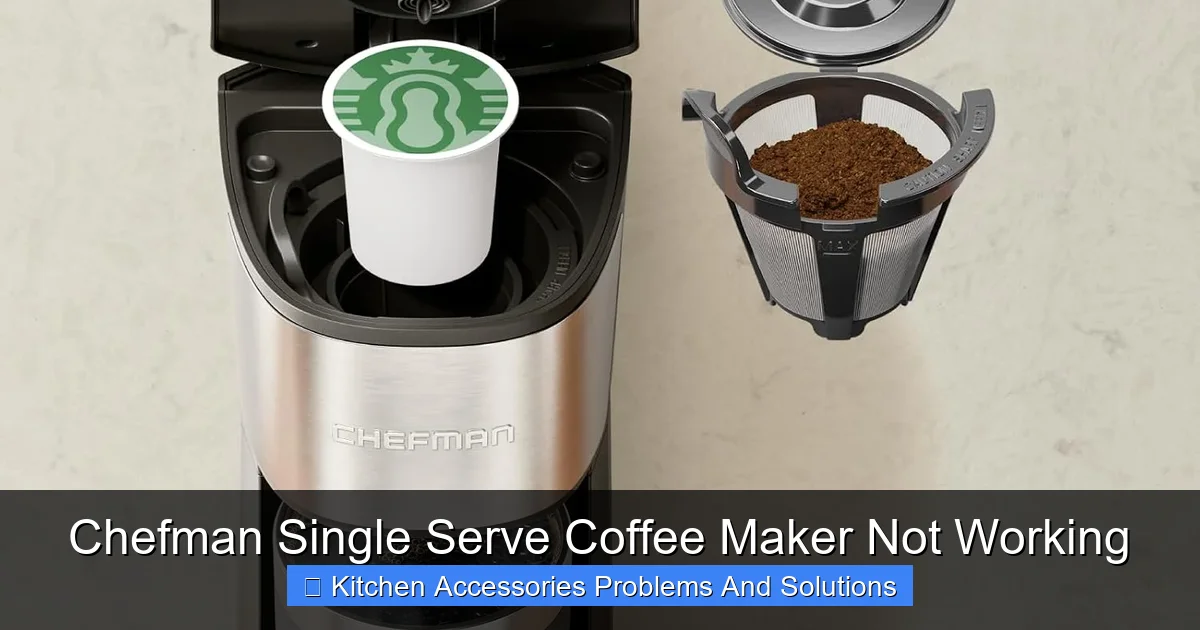
Visual guide about Chefman Single Serve Coffee Maker Not Working
Image source: m.media-amazon.com
The Reservoir Seating Problem
Many Chefman owners forget to check the water reservoir. If it is not clicked perfectly into place, the intake valve will not open. Remove the reservoir, inspect the valve area at the bottom for any dirt or debris, and firmly snap it back into the base. You should hear a distinct click. If the machine still does not draw water, make sure the reservoir is filled to at least the minimum line.
Unclogging the Needle
The needle that pierces your coffee pod is the most common point of failure. Over time, coffee grounds or scale can build up inside the needle tip, preventing water from passing through. Take a small, thin object like a paperclip and gently clear the exit needle. You can also use a small brush to clean the area around the needle plate. Doing this once a month is a great preventative habit for any coffee lover.
Descaling Your Machine for Optimal Performance
If you have lived in your home for more than a few months, your water likely contains minerals like calcium and magnesium. These minerals settle in the heating elements of your coffee maker, eventually choking off the water flow. If your Chefman single serve coffee maker is not working efficiently, or if the coffee tastes sour, descaling is the solution.
How to Descale Properly
To descale your machine, purchase a commercial descaling solution or use a mixture of white vinegar and water (a 1:1 ratio works best). Fill the reservoir with the solution and run the machine without a pod inserted.
Let the cycle run until the reservoir is empty. After the cycle, run two full reservoirs of plain, clean water through the machine to remove any lingering vinegar taste. This process restores the internal pressure and heating speed of the unit.
Preventing Future Buildup
To avoid frequent issues with your Chefman single serve coffee maker not working, consider using filtered water instead of tap water. Filtered water has fewer minerals, which means you won’t have to descale nearly as often. If you have exceptionally hard water, even a simple pitcher-style water filter can make a massive difference in the lifespan of your machine.
Fixing Issues with Temperature and Pod Compatibility
Sometimes the machine works, but the results are disappointing. Perhaps your coffee is lukewarm or the machine refuses to brew a full cup. These issues are almost always related to how the pod is handled or how the temperature sensors are reading the internal heat.
Using the Right Pods
Chefman machines are designed for standard single-serve pods. If you are using reusable pods, ensure they are not overfilled. Overfilling a reusable pod puts excessive pressure on the piercing needle and can cause the machine to leak or stall. Only fill the pod to the recommended line, and ensure the lid of the reusable pod is securely snapped shut before inserting it into the chamber.
Improving Brew Temperature
If your coffee is not hot enough, start by running a “dummy cycle” before you put your coffee pod in. By running the machine with just water, you heat up the internal pipes and the cup platform.
This ensures that the water reaching your coffee grounds is at the maximum possible temperature. Additionally, ensure your mug is not ice cold; pre-warming your ceramic mug with a splash of hot water is a classic trick used by baristas to maintain the perfect brewing temperature.
Common Mechanical Glitches and Sensor Errors
Sometimes, the “Chefman single serve coffee maker not working” status is triggered by a sensor error. These machines have safety features that prevent them from brewing if they detect an open lid or an empty water tank.
The Lid Sensor
If the lid is not latched tightly, the machine will refuse to brew for safety reasons. Even if it looks closed, give it a firm press to ensure the latch has fully engaged. If the machine was recently used, the internal heat might have caused the plastic to expand slightly, making it feel tighter than usual. Take a moment to let the unit cool down, then try closing it firmly.
Indicator Light Warnings
If your machine has blinking indicator lights that don’t match the standard brewing pattern, consult the specific manual for your model. Blinking lights often indicate that the machine needs to be descaled or that a sensor has tripped. Sometimes, simply opening and closing the lid three times in a row can clear these specific light-based error codes.
When to Consider Professional Help or Replacement?
Even with the best maintenance, appliances have a lifespan. If you have tried all the steps above including the hard reset, the needle cleaning, and the descaling and your Chefman single serve coffee maker is not working, it may be time to consider professional repair or a replacement.
Warranty Coverage
In 2026, most Chefman products come with a manufacturer’s warranty. If your machine is less than a year old and you have followed the maintenance guidelines, you might be eligible for a repair or a replacement unit. Check the official Chefman website to register your product if you haven’t already. Having your proof of purchase and serial number ready will make the support process much faster.
Sustainability Tips
If the machine is truly beyond repair, do not simply throw it in the trash. Check local electronics recycling centers. Many municipalities have programs to collect small kitchen appliances to recycle the internal metals and plastics. This is a responsible way to close the chapter on your old coffee maker while preparing to upgrade to a newer model.
Ultimately, keeping your coffee maker functional is all about consistency. By adopting a routine of monthly cleaning and being mindful of how you seat your pods, you can avoid the frustration of your Chefman single serve coffee maker not working in the future. Enjoy your coffee!
Frequently Asked Questions
Why is my Chefman coffee maker blinking?
Blinking lights usually indicate that the machine is in the middle of a process or needs to be descaled. Try unplugging the machine for one minute to reset the sensors; if it continues blinking, refer to your specific model’s manual for error codes.
How often should I descale my coffee maker?
To keep your machine running perfectly, you should descale it at least every three months. If you live in an area with hard water, you may need to perform this process every six to eight weeks.
Can I use any pods in my Chefman machine?
Your Chefman machine is designed for standard single-serve pods. Always ensure the pods are not damaged and are correctly aligned in the chamber to avoid damaging the internal needle.
Why does my coffee taste like plastic?
A plastic taste is often caused by new materials or residue from manufacturing. Run 3-5 cycles of plain water through the machine to flush out any lingering odors before brewing your first cup.
Why is my machine leaking water?
Leaking usually occurs if the water reservoir is not seated properly or if the pod chamber is blocked. Check the reservoir connection and ensure the needle is clean to prevent pressure buildup.
Is it safe to use vinegar for cleaning?
Yes, white vinegar is a safe and effective way to descale your coffee maker. Just be sure to rinse the machine thoroughly with clean water afterward to remove any acidic taste.