
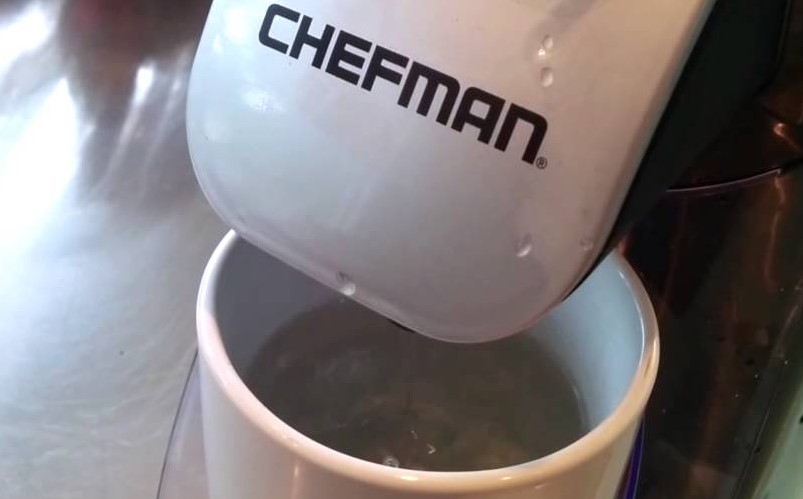
If your Chefman coffee maker is not working, don’t worry. Most common issues like clogs, power interruptions, or mineral buildup can be solved at home with simple cleaning and maintenance. Our guide helps you troubleshoot your brewer efficiently so you can get back to enjoying your morning cup of coffee.
There is nothing quite like the smell of fresh coffee filling your kitchen in the morning. You walk over to your trusted machine, press the button, and… nothing happens. If you find your Chefman coffee maker not working, it can feel like your entire day is off to a rocky start. Whether it is a single-serve brewer or a programmable carafe model, these machines are designed for convenience, but they do occasionally run into bumps in the road.
In this guide, we will walk you through the most common reasons why your Chefman coffee maker is not working. We will look at everything from electrical hiccups to simple clogs that happen over time. You do not need to be an engineer to get your machine running again. Often, a few minutes of maintenance is all it takes to get that hot brew flowing back into your mug.
Key Takeaways
- Power Check: Always verify your outlet and power cord connection before assuming the machine is broken.
- Descaling is Essential: Mineral buildup is the number one cause of flow issues and temperature problems in 2026.
- Check the Reservoir: Ensure the water tank is properly seated, as many Chefman models have safety sensors that stop the machine if the tank is misaligned.
- Clean the Needle: If your Chefman coffee maker is not working regarding water flow, the exit needle might be clogged with old coffee grounds.
- Reset the System: A simple power cycle by unplugging the unit for ten minutes can often clear electronic glitches.
Understanding Common Power and Startup Issues
The most frustrating situation is when your machine refuses to turn on at all. When you notice your Chefman coffee maker not working because it lacks any signs of life, start with the basics. It is easy to overlook the simple things when we are tired and craving caffeine.
Checking Your Power Source
First, check the outlet. Sometimes a tripped circuit breaker in your home can cut power to a specific group of outlets. Plug a lamp or another small appliance into the same wall socket to see if it works. If that device works, check the power cord on your coffee maker for any signs of damage, fraying, or loose connections. Make sure it is pushed firmly into both the wall and the back of the machine.
The Importance of Proper Seating
Many modern Chefman models feature safety sensors. These sensors detect if the water reservoir, the drip tray, or the brew basket is in the right spot. If the machine senses that a part is not “locked and loaded,” it will simply refuse to start.
This is a safety feature meant to prevent hot water from spilling everywhere. Open the lid, remove the water tank, and click everything back into place firmly. You should often hear a soft “click” that tells you the component is secure.
Troubleshooting Water Flow and Brewing Problems
If your machine lights up but the water stays in the reservoir, your Chefman coffee maker is not working correctly due to a flow issue. This is usually caused by an airlock or a buildup of debris. The water path inside a coffee maker is quite narrow, and it does not take much to stop the flow.
Visual guide about Chefman Coffee Maker Not Working
Image source: tonytantillo.com
Clearing Clogged Needles
If you use a pod-based Chefman brewer, the puncture needle is a common culprit. Over time, coffee grounds or oils can get stuck inside the needle. Take a small, thin paperclip or a specific cleaning tool provided with your machine. Carefully insert it into the needle and clear out any gunk. Do this gently so you do not damage the delicate metal components inside the brewing head.
Dealing with Airlocks
Sometimes, air gets trapped in the internal tubing. If you just finished a descaling cycle or moved your machine, an airlock might be preventing water from moving. A quick way to fix this is to gently tilt the machine side-to-side while it is powered on and trying to brew. This can help move the air bubble through the system. If that fails, try using a turkey baster to force a little water into the intake valve at the bottom of the reservoir.
The Magic of Descaling Your Machine
In the world of coffee appliances, descaling is the hero of maintenance. If you live in an area with “hard water,” your Chefman coffee maker is not working efficiently because of mineral deposits. These minerals, like calcium and magnesium, build up inside the pipes and heater, acting like a hardening “plaque” in your machine’s arteries.
Why Descaling Matters in 2026
Even if you use filtered water, small amounts of minerals still make it into your machine. By 2026 standards, experts recommend descaling every three to six months. If you notice your coffee is coming out lukewarm or the brew cycle is taking twice as long as usual, it is time for a deep clean.
How to Descale Properly
You can buy a commercial descaling solution, or use a simple mix of white vinegar and water. Mix one part vinegar with one part water. Fill the reservoir to the max line. Run a brew cycle without a coffee pod or grounds.
Let the mixture sit inside the machine for about 30 minutes to break down the buildup. After that, run the rest of the cycle through. Finally, run at least two or three full tanks of fresh, clean water through the machine to get rid of that vinegar taste.
Addressing Leaks and Messy Spills
Seeing water on your counter is never a good sign. If your Chefman coffee maker is not working and leaking water, it usually stems from an overfilled tank or a worn-out seal. Water seeks the path of least resistance, and if a seal is compromised, it will go right onto your kitchen table.
Checking the Reservoir Gasket
The water reservoir usually has a rubber gasket or valve at the bottom. Check to make sure this is not twisted or covered in coffee dust. If you find debris on the gasket, wipe it down with a damp cloth. If the gasket looks cracked or dry, it might need to be replaced, though simple cleaning often fixes the problem.
The Drip Tray Factor
It sounds silly, but many people mistake a full drip tray for a leak. If you have been brewing back-to-back cups, the drip tray may be overflowing. Check the tray and empty it regularly. If the tray is dry but you still see water underneath the machine, check the bottom for cracks or loose screws.
Temperature and Quality Concerns
Sometimes the machine brews, but the results are disappointing. If your coffee tastes burnt or is barely warm, your Chefman coffee maker is not working at peak performance. Temperature control relies on an internal thermoblock or heating element. If the machine is struggling to hit the right temperature, it might be due to the previously mentioned mineral buildup.
Preventing Burnt Coffee Taste
If your coffee has an “off” or metallic taste, it is likely that your machine needs a thorough sanitizing. Oils from coffee beans can go rancid if they stay in the brew basket or on the showerhead. Clean your removable parts with warm, soapy water after every use. For the internal parts, that regular descaling cycle will keep the water path clean and the flavor profile pure.
When to Contact Support
If you have tried all the steps above and your Chefman coffee maker is still not working, there might be an internal failure. Electronics can fail, or heating elements can burn out. Check your warranty status many Chefman products come with a one-year limited warranty. Keep your receipt and the serial number handy if you need to reach out to their customer service team for a replacement or repair.
Tips for Longevity and Care
To keep your coffee maker running for years, treat it with care. Use filtered water whenever possible, as this reduces the frequency of deep cleans. Never try to force the lid shut if it feels stuck, as this can break the locking mechanism. Regularly wipe down the exterior with a microfiber cloth to prevent coffee splatter from hardening onto the buttons or screen.
By following these steps, you can keep your machine in top shape. Troubleshooting your Chefman coffee maker is a great way to save money and keep your mornings running smoothly. Remember, most problems are small and solvable with a little patience and the right steps.
The bottom line is that your coffee maker is a machine that does a lot of work for you every day. A little bit of love, regular descaling, and checking the small components will ensure that you have hot, delicious coffee every time you press that brew button. Keep your machine clean, handle it with care, and you will be enjoying your favorite blend for a long time to come.
Frequently Asked Questions
Why is my Chefman coffee maker not working after descaling?
If it fails after descaling, you might have an airlock in the lines or the sensor is blocked by loose scale debris. Try turning the machine off, unplugging it for ten minutes, and running a cycle with only fresh, plain water to flush out any remaining residue.
How often should I clean my Chefman coffee maker?
You should wipe down the exterior and rinse the removable parts after every use. A deep descaling process should be performed every three to six months, depending on how often you brew and the hardness of your tap water.
What does it mean when the indicator light flashes?
A flashing light usually signals a specific error, such as a water tank that needs to be refilled or a lid that is not properly closed. Consult your specific model’s manual, but start by ensuring the reservoir is seated correctly and the brew head is latched shut.
Is it safe to use vinegar for cleaning my coffee maker?
Yes, white vinegar is an excellent, natural way to remove mineral buildup. However, ensure you rinse the machine thoroughly with plain water afterward to eliminate the vinegary smell and taste.
Why is my coffee not hot enough?
This is typically caused by scale buildup inside the heating element, which prevents the water from reaching the optimal brewing temperature. Performing a descaling cycle usually solves this temperature issue by allowing the heater to work efficiently again.
What should I do if the machine leaks from the bottom?
First, check that the water reservoir is not cracked and is fully seated. If the leak persists, the internal tubing or the valve seal may be faulty, which might require contacting Chefman support for a warranty repair or replacement.