
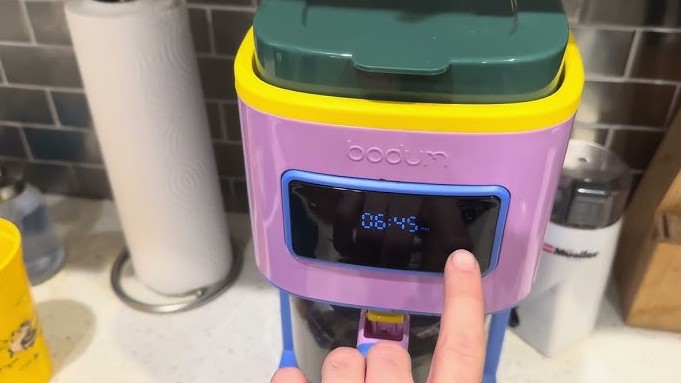
If your Bodum coffee maker is not working, don’t panic; most issues are simple to resolve with a bit of maintenance. Whether you are dealing with a stuck plunger, a stubborn lid, or a cracked beaker, our guide helps you restore your morning brew quickly and effectively.
There is nothing quite like the ritual of a fresh press in the morning. You measure out your beans, wait for the perfect water temperature, and anticipate that first rich sip. But then, the unthinkable happens: your Bodum coffee maker is not working. Perhaps the plunger won’t go down, the coffee is cloudy, or the handle feels loose.
It is a frustrating start to any day, especially when you are counting on that caffeine boost. In 2026, we have seen a resurgence in manual brewing, and the classic French press remains a kitchen staple for its simplicity and superior flavor profile. However, even the most durable devices encounter hiccups.
If you find your Bodum coffee maker not working as expected, it is rarely a sign that you need to throw it out. Most of these issues are minor mechanical or user-error problems that can be solved in a few minutes at your kitchen counter.
Key Takeaways
- Plunger Resistance: Often caused by grind size that is too fine, leading to clogged filters.
- Safety First: Always inspect your glass carafe for microscopic cracks before applying pressure to the plunger.
- Maintenance Matters: Regular deep cleaning of the mesh filter prevents oils from affecting your coffee’s flavor.
- Correct Assembly: Ensure the filter plates are tightened properly to prevent grounds from leaking into your cup.
- Replacement Parts: Bodum offers modular parts, so you can replace a broken beaker without buying a whole new unit.
- Grind Consistency: Using a coarse burr grind is the single most important factor in preventing a Bodum coffee maker from not working properly.
Understanding the Mechanics of Your Press
To fix a Bodum coffee maker that is not working, you first need to understand how the system functions. A French press relies on a simple mechanical process: steeping grounds in hot water and using a metal mesh filter to push those grounds to the bottom. Because there are no electronic parts or complicated circuits, the “failure points” are limited to the physical hardware and the preparation process.
The Role of the Plunger Assembly
The heart of your brewer is the plunger assembly. This includes the lid, the rod, and the three-part filter system the cross plate, the mesh filter, and the spiral plate. If your Bodum coffee maker is not working, the culprit is almost always inside this stack. When these parts are loose, dirty, or misaligned, the whole brewing process suffers.
The Importance of Vessel Integrity
The carafe is the backbone of your brewer. Whether it is the classic borosilicate glass or a double-walled stainless steel model, the vessel must be free of debris and structural damage. If you notice your coffee maker not working specifically if it won’t hold temperature or if the plunger seems to drag against the sides – it is often a sign of a damaged or warped carafe.
Troubleshooting Plunger Resistance
The most common complaint from owners is that the plunger is stuck. When you press down, it feels like you are pushing against a brick wall. This is a classic sign of your Bodum coffee maker not working due to improper coffee grind size. If your coffee grind is too fine similar to the texture of table salt the mesh filter will clog almost instantly. The water can flow through, but the fine particles create a “mud” that resists the plunger.
Visual guide about Bodum Coffee Maker Not Working
Image source: coffeegearzone.com
Choosing the Right Grind
For the best results, use a coarse grind. Think of it like sea salt or cracked pepper. When you use this size, the water can easily extract flavor, but the grounds remain large enough to stay separated by the mesh filter. If you have been buying pre-ground coffee from the store, it is likely too fine for a French press.
Clearing the Filter Mesh
If you have the right grind but your Bodum coffee maker is still not working well, check the mesh. Over time, coffee oils and fine particles get lodged in the microscopic holes of the screen. Take the assembly apart. Use a soft brush and hot, soapy water to scrub the mesh filter. Sometimes a buildup of residue is so significant that it acts like a wall, blocking the flow entirely.
Fixing Lid and Assembly Issues
Sometimes, the trouble isn’t the plunger itself, but how the lid sits on the pot. If your Bodum coffee maker is not working—meaning the coffee is messy, grounds are floating in your cup, or the lid won’t seat properly you likely have an assembly alignment issue.
Tightening the Components
The rod should screw firmly into the base of the filter stack. If it is loose, the pressure from your hand will tilt the filter, causing grounds to slip up the sides. Grab the bottom plate with one hand and the top plate with the other. Twist them until they are snug. Don’t over-tighten, as you might strip the threads, but ensure they are secure enough to hold a flat seal.
Checking for Warped Seals
If you have an older model, the plastic or silicone parts might lose their shape from high heat. If you see grounds bypass the filter, the mesh may be slightly bent at the edges. Since Bodum provides modular parts, you don’t need to replace the glass pot if the filter assembly is the only part that is damaged. You can purchase a replacement filter set for a fraction of the cost of a new machine.
Glass Breakage and Structural Safety
A cracked beaker is a major safety concern. If your Bodum coffee maker is not working because of a structural failure, stop using it immediately. Even a hairline crack can expand under the thermal shock of boiling water, potentially leading to a dangerous spill.
Identifying Micro-Cracks
Hold your glass carafe up to a bright light. Rotate it slowly. If you see any faint, squiggly lines that don’t wash away, that is a crack. Do not try to repair this with glue or tape. Borosilicate glass is designed to handle heat, but once its integrity is compromised, it becomes unpredictable.
Safe Disposal and Replacement
If your beaker is broken, look for the model number on the bottom of the base. Bodum makes it very easy to find compatible replacement glass. Simply slide the old one out of the frame—sometimes you need to gently push from the bottom and insert the new one. Always ensure the new glass is dry and clean before brewing your first pot.
Optimizing the Brewing Experience
If your Bodum coffee maker is not working in the sense that the coffee just doesn’t taste right, it might not be a mechanical failure, but a process error. Great coffee depends on variables that are easy to control once you know what to look for.
Temperature Control
Don’t pour boiling water directly onto your coffee grounds. Boiling water can burn the beans, leading to an overly bitter, harsh flavor. Wait about 30 seconds after your kettle boils before pouring. This brings the temperature down to the ideal range of 195°F to 205°F, which extracts the sweetness and oils without the charred aftertaste.
The Timing Factor
The standard steep time for a French press is four minutes. If you are struggling with the strength of your brew, adjust your time rather than your gear. If it is too weak, go to five minutes. If it is too strong, pull it back to three. By mastering these variables, you will find that your coffee maker is working perfectly—it just needed a little calibration.
Conclusion
A French press is one of the most reliable ways to make coffee, but it is not immune to the occasional problem. When you find your Bodum coffee maker not working, take a step back and look at the assembly.
Often, it is just a matter of cleaning the mesh, adjusting the grind size, or securing a loose rod. These devices are built to last for years, and with just a tiny bit of care, you can keep yours brewing until 2030 and beyond.
Don’t let a stuck plunger or a bit of sediment ruin your morning ritual. Use these tips to diagnose the issue, perform the necessary maintenance, and get back to enjoying your favorite roast. Your coffee is only a quick fix away, and there is nothing like the satisfaction of a perfectly pressed cup you made yourself.
Frequently Asked Questions
Why is my plunger so hard to push down?
This is usually caused by a coffee grind that is too fine, which clogs the mesh filter. Switch to a coarser, sea-salt-like grind to allow water to pass through more freely.
How do I clean the mesh filter properly?
Unscrew the filter assembly completely and rinse each piece under hot, running water. Use a soft sponge or brush to remove built-up coffee oils that can cause blockages.
Can I replace just the glass part if it breaks?
Yes, Bodum sells replacement beakers for most of their models. Check the base of your unit for the model number to ensure you purchase the correct size glass.
Why are there grounds in my coffee?
This happens if the filter plates are not tightened enough or if the mesh filter has become bent. Tighten the assembly, and if the issue persists, replace the filter screen.
Is it safe to put my Bodum in the dishwasher?
Most glass and stainless steel parts are dishwasher safe, but it is often better to wash the filter and lid by hand. Hand washing prevents the delicate mesh from getting damaged or losing its shape over time.
What temperature should my water be?
Aim for 195°F to 205°F, or simply wait 30 seconds after your kettle boils. Using boiling water can result in a bitter, burnt taste rather than a rich, full-bodied cup.