
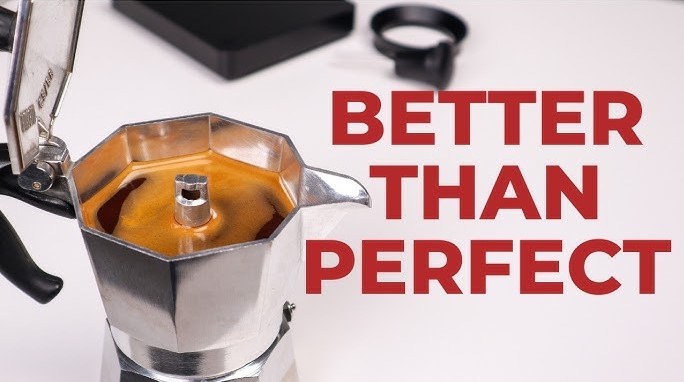
If your Bialetti coffee maker is not working, don’t worry! Most common issues like leaks, sputtering, or no coffee flow are easily fixed with a simple deep clean or a new rubber gasket. This guide helps you restore your morning brew quickly and safely.
There is nothing quite like the sound of a bubbling Moka pot in the morning. It is a ritual that has defined kitchens for generations. However, there is nothing more frustrating than waking up for that caffeine kick only to find your Bialetti coffee maker not working as expected. Whether it is leaking water, refusing to produce a drop of espresso, or making a strange hissing noise, these classic devices are usually quite simple to repair.
In 2026, many of us are returning to traditional brewing methods. We want simplicity, durability, and that rich, bold flavor only a Bialetti can provide. When your Bialetti coffee maker is not working, it is rarely due to a broken machine. Instead, it is usually a sign that your pot needs a little bit of attention, a fresh part, or a change in your brewing technique. Let’s dive into how to fix your favorite coffee companion.
Key Takeaways
- Gasket Health: The rubber seal is the most frequent culprit when a Bialetti coffee maker is not working correctly.
- Pressure Issues: Never overfill the filter basket, as it prevents the water from moving through the coffee grounds properly.
- Maintenance Matters: Regular cleaning of the safety valve and filter plate ensures your Moka pot operates safely and efficiently.
- Heat Control: Using the wrong heat setting often leads to burnt coffee or a unit that refuses to brew.
- Seal Check: If steam escapes from the sides, your pot isn’t tight enough or the threads are dirty.
Understanding Why Your Bialetti Coffee Maker Is Not Working
Before we take a wrench to your pot, let’s look at the anatomy of the issue. A Moka pot works on simple physics: boiling water creates steam pressure, which pushes hot water up through the coffee grounds and into the top chamber. If your Bialetti coffee maker is not working, the break in that chain of events is usually easy to find.
The Role of the Rubber Gasket
The rubber gasket is the unsung hero of your coffee pot. It creates an airtight seal between the bottom chamber and the funnel. If that gasket is old, cracked, or hardened, pressure will leak out of the sides instead of going through your coffee. If you see steam or water spraying from where the two halves meet, start your investigation here.
Coffee Grind Consistency
You might love a coarse grind for your French press, but the Moka pot demands a specific touch. If your grind is too fine, the water cannot pass through it, causing pressure to build up dangerously. If it is too coarse, the water rushes through too quickly, resulting in weak, watery coffee. When your Bialetti coffee maker is not working, consider your grind size as the first variable to adjust.
Troubleshooting Common Pressure and Flow Issues
Has your pot stopped producing coffee entirely? It is a common panic moment, but usually fixable. When a Bialetti coffee maker is not working because no coffee flows, it means the pressure is not reaching the coffee bed or the path is blocked.
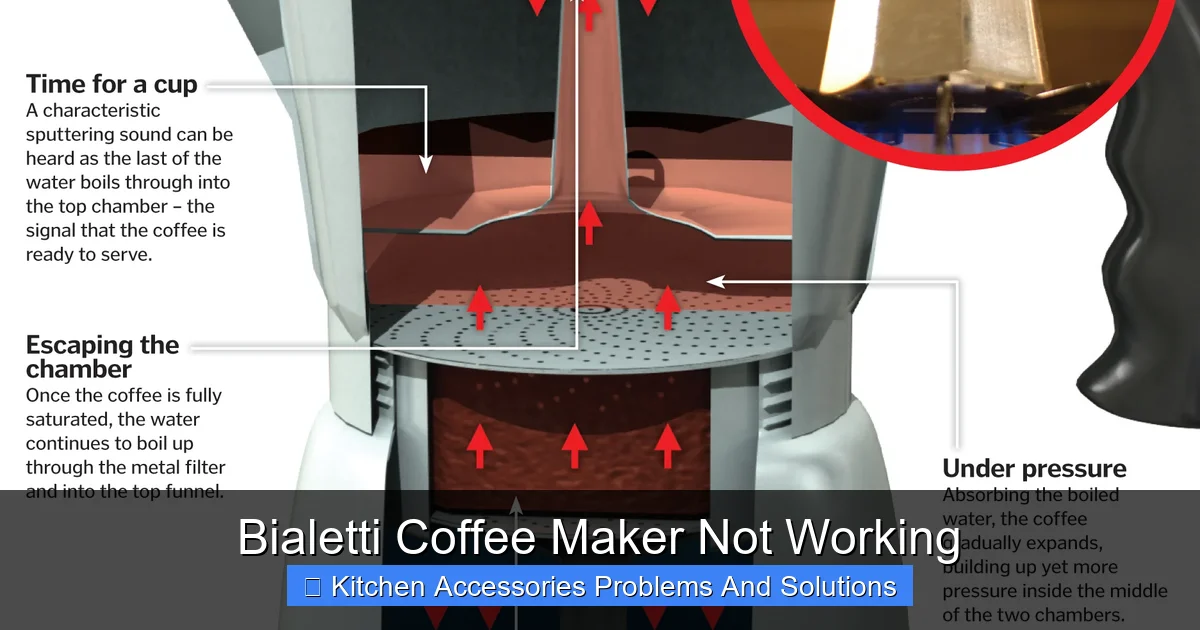
Visual guide about Bialetti Coffee Maker Not Working
Image source: howitworksdaily.com
Check the Safety Valve
The small brass or silver button on the side of the bottom chamber is the safety valve. It is designed to release excess pressure. If this valve becomes clogged with limescale or mineral deposits, it might fail to build pressure, or worse, become unsafe. Use a small pin to gently poke the center of the valve. If it moves freely, your valve is likely clear.
The Filter Plate Blockage
Look at the underside of the top chamber. There is a metal mesh filter held in place by a gasket. Over time, coffee oils and fine sediment build up inside these tiny holes. If the Bialetti coffee maker is not working, try unscrewing the funnel and inspecting this filter plate. A good soak in hot water and mild soap usually does the trick.
Fixing Leaks and Sputtering
A leaking pot is not just messy; it’s a sign that the vacuum seal has failed. If your Bialetti coffee maker is not working because water is spraying everywhere, you likely have a pressure leak. Most of the time, this happens because the pot was not tightened enough or the threads are clogged with coffee grounds.
Tightening the Pot
We often tighten our pots with a “good enough” attitude. To get a perfect seal, hold the bottom chamber firmly—using a towel if it’s warm—and twist the top until it is very snug. Do not over-tighten it to the point of damage, but ensure there is no wiggle room.
Cleaning the Threads
Coffee grounds are the enemy of a good seal. If a few stray grains get onto the threads where the two halves screw together, they create a gap. Wipe the threads with a clean cloth before each use. This simple habit prevents many situations where a Bialetti coffee maker is not working correctly.
Temperature Management and Brewing Technique
Believe it or not, the heat setting on your stove is a major factor. If your Bialetti coffee maker is not working well—perhaps the coffee tastes burnt or bitter—you are likely using heat that is too high.
Use Low and Slow Heat
High heat causes the water to boil too aggressively. This creates steam that hits the coffee grounds before the water does, resulting in a bitter, metallic flavor. Always use low-to-medium heat. The goal is a steady, slow flow of coffee that looks like warm honey.
Water Temperature Starting Point
Pro tip: Use hot water to fill the bottom chamber instead of cold water. This reduces the time the coffee grounds spend sitting on the stove, which prevents the metal from overheating and burning the grounds. It is a small change that often solves the issue of a Bialetti coffee maker not working to produce a smooth cup.
When to Replace Parts Instead of Fixing Them?
Sometimes, maintenance is not enough. Parts wear out. If your Bialetti coffee maker is not working, it might just be time for a refresh. Gaskets and filters are inexpensive and widely available.
Replacing the Gasket
If your gasket feels hard like plastic rather than soft like rubber, it is time to replace it. A hardened gasket cannot create a seal. You can buy replacement kits online that include a new rubber ring and a stainless steel filter. This is the most effective way to restore an older pot.
Checking for Micro-Cracks
If you have an aluminum model, check the body for any visible cracks. While rare, metal fatigue can occur over many years of high-heat cycles. If the body is compromised, it is time to retire the pot for safety reasons. A Bialetti coffee maker not working due to structural damage should be replaced rather than repaired.
Final Thoughts on Bialetti Care
Owning a Bialetti is about embracing the process. When your Bialetti coffee maker is not working, see it as a chance to get to know your machine better. Clean the valve, replace the gasket, adjust your grind, and watch your heat levels. Most of the time, you will find that the fix is simple and your morning brew will return to its delicious, full-bodied glory.
Remember that these pots are built to last for decades. With just a little bit of care, your Moka pot will continue to serve you faithfully. If you ever feel like the pot is truly beyond help, consider the joy of picking out a new one, perhaps in a different color or size, and starting the brewing journey all over again.
Frequently Asked Questions
Why is my Bialetti leaking from the middle?
A leak in the middle usually means the rubber gasket is worn out or the pot wasn’t tightened enough. Ensure the gasket is soft and flexible, and wipe any coffee grounds off the threads before screwing the two halves together firmly.
Is it safe to use if the safety valve is blocked?
No, you should never use a Moka pot with a blocked safety valve. The valve is a critical safety feature that releases pressure; if it is stuck, the pot could potentially become dangerous. Use a small pin to clear any debris from the valve before brewing.
What grind should I use for my Bialetti?
You should use a medium-fine grind, similar to table salt. A grind that is too fine will clog the filter, while a grind that is too coarse will result in weak, watery coffee that lacks the signature intensity of stovetop espresso.
Why does my coffee taste bitter?
Bitter coffee is usually caused by using water that is too hot or leaving the pot on the stove for too long after the coffee has finished brewing. Try using lower heat and remove the pot from the burner the moment you hear the “gurgling” sound.
Can I wash my aluminum Bialetti in the dishwasher?
No, you should never wash an aluminum Moka pot in the dishwasher. The harsh detergents will corrode the aluminum, causing it to oxidize and discolor, which can affect the flavor of your coffee and damage the finish of the pot.
How often should I replace the rubber gasket?
It depends on how often you use your pot, but a general rule of thumb is to replace the gasket every 12 to 18 months. If the rubber feels brittle, cracked, or hard to the touch, it is time to swap it out for a new one.