
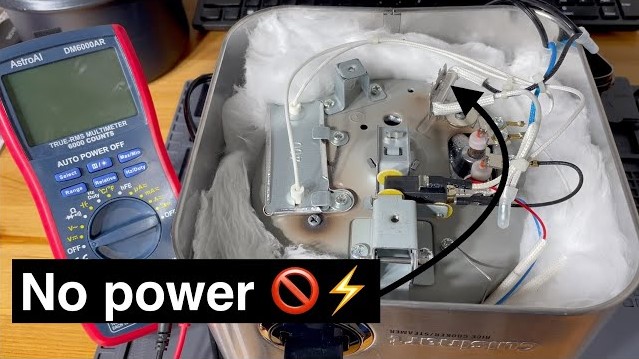
If your Cuisinart rice cooker not working, start by checking the power connection, the inner pot placement, and the thermal fuse sensor. Most issues stem from simple wiring faults or buildup on the heating element rather than major internal component failure.
We have all been there. You are ready to prepare a quick meal, you pour in the rice and water, press the start button, and… nothing happens. Dealing with a Cuisinart rice cooker not working is incredibly frustrating, especially when hunger is striking and dinner plans are on the line.
Before you head to the store to drop a hundred dollars on a brand-new unit, take a breath. In most cases, these kitchen workhorses are remarkably resilient, and the problem is often something minor you can fix in your own kitchen.
As we move through 2026, technology in kitchen appliances has improved, but the basic physics of a rice cooker remains the same. Whether you are using a basic one-touch model or a high-end digital multi-cooker, the principles of heating, sensors, and safety switches are universal. This guide will walk you through the troubleshooting process step-by-step so you can get back to fluffy, perfect rice without the stress.
Key Takeaways
- Power Source: Always verify that your power cord is fully seated in the unit and the outlet before assuming the rice cooker is broken.
- Pot Placement: The magnetic sensor or weight switch often fails to engage if the inner bowl is not perfectly seated or is warped.
- Cleaning Matters: Starch buildup on the bottom heating plate is the most common cause of uneven cooking or failure to switch to “Warm” mode.
- Thermal Safety: Many models have a built-in thermal fuse that trips if the unit overheats; let the device cool down for at least 30 minutes.
- Resetting: Unplugging the device for ten minutes can sometimes clear digital display glitches on advanced Cuisinart models.
Checking the Basics of Power and Connectivity
The most common reason for a Cuisinart rice cooker not working is simply a lack of power. It sounds obvious, but it happens to the best of us. Sometimes the cord feels plugged in, but it isn’t seated all the way into the base of the cooker. Cuisinart units use a specific two-prong power connector that can sometimes vibrate loose if it sits near the edge of a counter.
Testing Your Power Supply
First, unplug the unit and check the power cord for any signs of fraying or heat damage. If the cord looks good, plug it into a different outlet in your kitchen. If the cooker turns on with a new outlet, your original wall socket might have a tripped GFCI breaker. If you have a digital display that stays dark, check if your wall outlet is controlled by a light switch that might have been bumped to the “off” position.
The Magnetic Cord Safety Feature
Many Cuisinart models feature a magnetic breakaway power cord designed for safety. This is a great feature, but it is also the first thing to fail. If you move your cooker around, that cord might pull out just a fraction of an inch. Ensure the magnetic end is firmly flush against the base. If the cord feels loose or keeps falling off, it may be time to order a replacement cord from the manufacturer rather than replacing the entire cooker.
Understanding Inner Pot and Sensor Issues
If your unit has power but refuses to start the cooking cycle, the problem usually lies with the “brain” of the machine the sensor. A Cuisinart rice cooker not working because of a sensor issue is usually caused by the weight of the pot not properly triggering the internal switch.
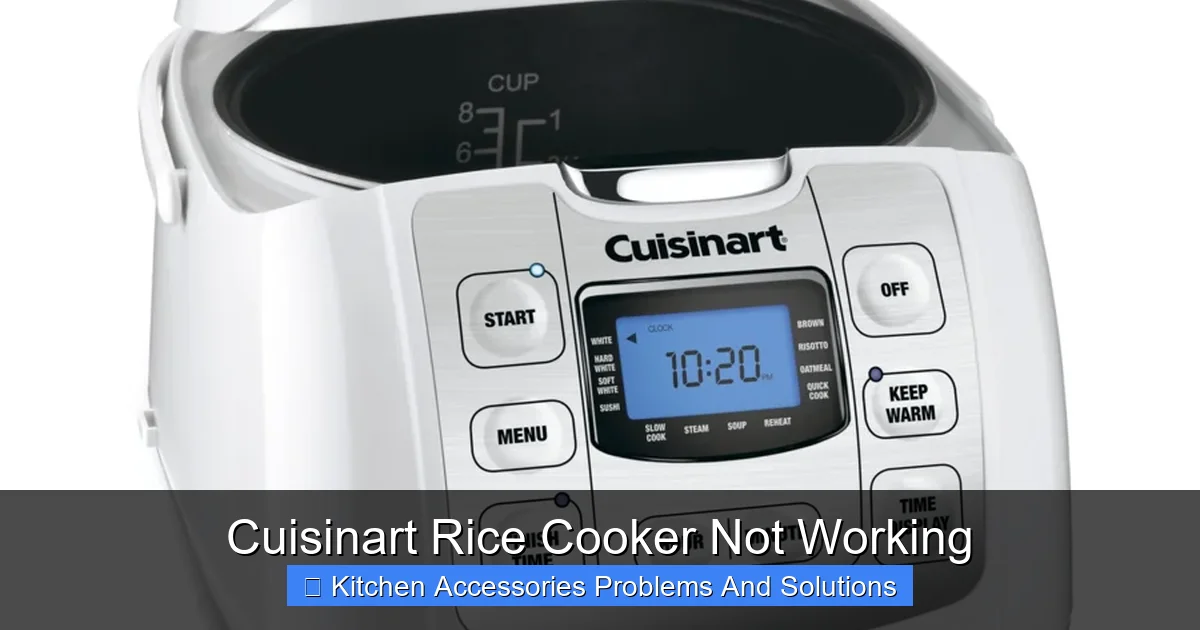
Visual guide about Cuisinart Rice Cooker Not Working
Image source: static-data2.manualslib.com
Correct Seating of the Inner Bowl
The heating plate at the bottom of your rice cooker relies on direct contact with the inner bowl. If your bowl is slightly dented from being dropped, or if there is debris caught between the plate and the bowl, the sensor will fail to detect the weight of the rice and water. Remove the bowl, wipe the exterior completely dry, and clean the heating plate with a soft cloth. When you place it back in, give it a little wiggle to ensure it sits flat.
The Thermal Fuse Safety Logic
These appliances are equipped with a thermal fuse. If the unit detects that it is getting dangerously hot without the rice cooking properly, it will cut power as a fire prevention measure. This often happens if you use too little water or if the bowl is not positioned correctly. If your unit refuses to turn on after a long cooking cycle, let it sit unplugged for at least an hour to let the internal fuse reset itself.
Cleaning and Maintenance for Long-Term Success
We often neglect the hidden areas of our appliances. When people report a Cuisinart rice cooker not working, it is frequently due to a thin layer of starch or burnt debris on the heating element. This layer acts as an insulator, preventing the heat from transferring to the inner pot, which confuses the machine’s programming.
Cleaning the Heating Plate
Once the unit is completely cool and unplugged, inspect the bottom heating plate. If you see brown or black spots, use a slightly damp cloth with a tiny amount of mild dish soap to clean it. For tougher stains, a soft eraser or a very gentle non-abrasive scrub pad can work wonders. Never use steel wool, as this will scratch the coating and ruin the sensor’s sensitivity.
Managing Steam Vents and Lids
If your rice is coming out mushy or the cooker is overflowing, the issue might be a clogged steam vent. The lid assembly on modern Cuisinart cookers is usually removable. Take it apart, soak the vent in warm soapy water, and ensure the rubber gasket is free of any rice bits. A blocked vent can cause a pressure buildup that messes with the electronic controller, leading to an error code on the display.
Decoding Digital Error Codes
For those with digital Cuisinart models, the cooker will often tell you exactly what is wrong via an error code. If you see something like “E1,” “E2,” or “Err” on the screen, your Cuisinart rice cooker not working is a result of a specific electronic fault. While the manual is your best friend here, these codes usually point to a disconnected temperature probe or a failed circuit board.
How to Perform a Hard Reset
Just like a computer, sometimes a kitchen appliance needs a reboot. To perform a hard reset, unplug the device and leave it unplugged for at least twenty minutes. While it is unplugged, press the “Start” or “Cancel” button several times to drain any residual electricity from the capacitors. Plug it back in and try to select a program again. This often clears minor logic errors caused by power surges.
When to Seek Professional Repair
If you have cleaned the plate, checked the cord, and performed a hard reset, but the unit still shows an error code, it is likely an internal component failure. If the unit is still under warranty, do not attempt to open the casing. Cuisinart offers excellent customer support, and they will likely replace the unit for you. Opening the casing yourself will void your warranty immediately.
Advanced Troubleshooting for Old Units
If your rice cooker is several years old, the internal wiring may have developed some fatigue. As appliances age, the constant heating and cooling cycles cause the metal connectors inside to expand and contract. Eventually, a wire may lose its connection.
The “Click” Test
For older, mechanical models, you should hear a distinct “click” when you push the cook switch down. If you press it down and it immediately pops back up, or if it doesn’t stay down at all, the magnetic spring mechanism inside is worn out. You can sometimes fix this by cleaning the area around the switch with compressed air to remove any dust that might be gumming up the works.
When It Is Time to Upgrade
Every appliance has a lifespan. If you have owned your Cuisinart rice cooker for over a decade and it has started to fail consistently, it might be time to let it go. While we love to repair our tools, internal electrical components in older units can become a safety hazard. If you have performed all the steps in this guide and the unit remains unreliable, it is the safest decision to retire it and look for a newer, more efficient model.
Conclusion
Finding your Cuisinart rice cooker not working is a hurdle, but it is rarely the end of the road for your favorite appliance. By systematically working through the power connections, ensuring the inner bowl is clean and correctly seated, and paying attention to those sneaky steam vents, you can solve the vast majority of these issues at home.
Remember, maintenance is the best cure for future problems keep that heating plate clean and your cords secure, and you will enjoy years of perfectly cooked rice.
If you find that the unit is truly beyond repair, don’t feel discouraged. Technology has advanced, and current models are even better at handling different types of grains and cooking styles. However, take these tips to heart, and you will likely find that your trusty Cuisinart has plenty of life left in it. Happy cooking!
Frequently Asked Questions
Why does my rice cooker keep switching to “Warm” before the rice is finished?
This usually happens because the heating sensor thinks the pot is empty or dry. Check that your inner bowl is clean and that you haven’t used too little water for the amount of rice you are cooking.
What should I do if my Cuisinart rice cooker has an error code on the screen?
Try a hard reset by unplugging the unit for 30 minutes and pressing the start button while it is disconnected. If the code persists, consult your manual, as it may indicate a faulty temperature sensor that needs professional repair.
Can I use a generic power cord for my Cuisinart rice cooker?
It is highly recommended to use only the official Cuisinart power cord designed for your specific model. Generic cords may not seat correctly or handle the required wattage, creating a significant fire hazard.
Is it safe to wash the heating plate with water?
You should never submerge the base of the rice cooker in water. Only wipe the heating plate with a slightly damp, soft cloth, and ensure it is 100% dry before placing the inner bowl back inside.
Why is my rice sticking to the bottom even though the cooker works?
This is often caused by a worn-out non-stick coating on the inner bowl or using the “Keep Warm” function for too long. Try rinsing your rice thoroughly before cooking to remove excess surface starch, which is the primary culprit for sticking.
Does a Cuisinart rice cooker need a specific outlet voltage?
Yes, all North American Cuisinart models are designed for standard 120V wall outlets. Using them with voltage converters or in regions with different electrical standards can cause the internal electronics to fail immediately.